You're not stuck, you're just alone at the top. Most entrepreneurs hit a ceiling, not because the opportunity isn't there, but because you're solving $10M problems with $1M strategies.
How This Plastic Surgery Practice Drove 21% Growth After Years of Flat Revenue
May 5, 2026
8 min read
“I didn’t know what I didn’t know, and that’s not a good place to be. But now I do.”
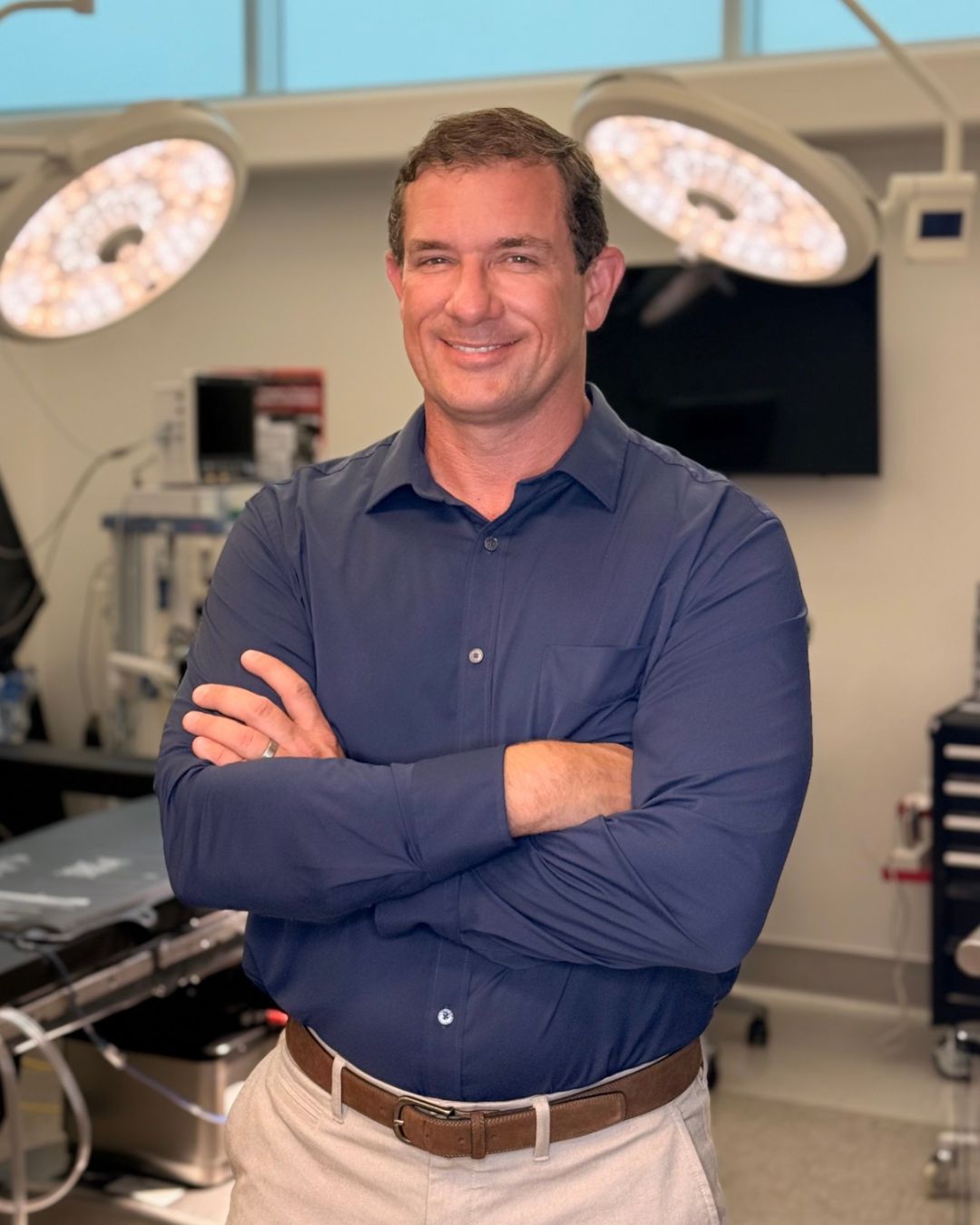
Meet Randol:
Randol has spent years in corporate America. Supply chain management at a $12 billion company in Austin. An MBA. A stint helping the Air Force manage logistics. A run at Tempur-Pedic, where he helped lead the North American supply chain as the company scaled from $500 million to $1 billion.
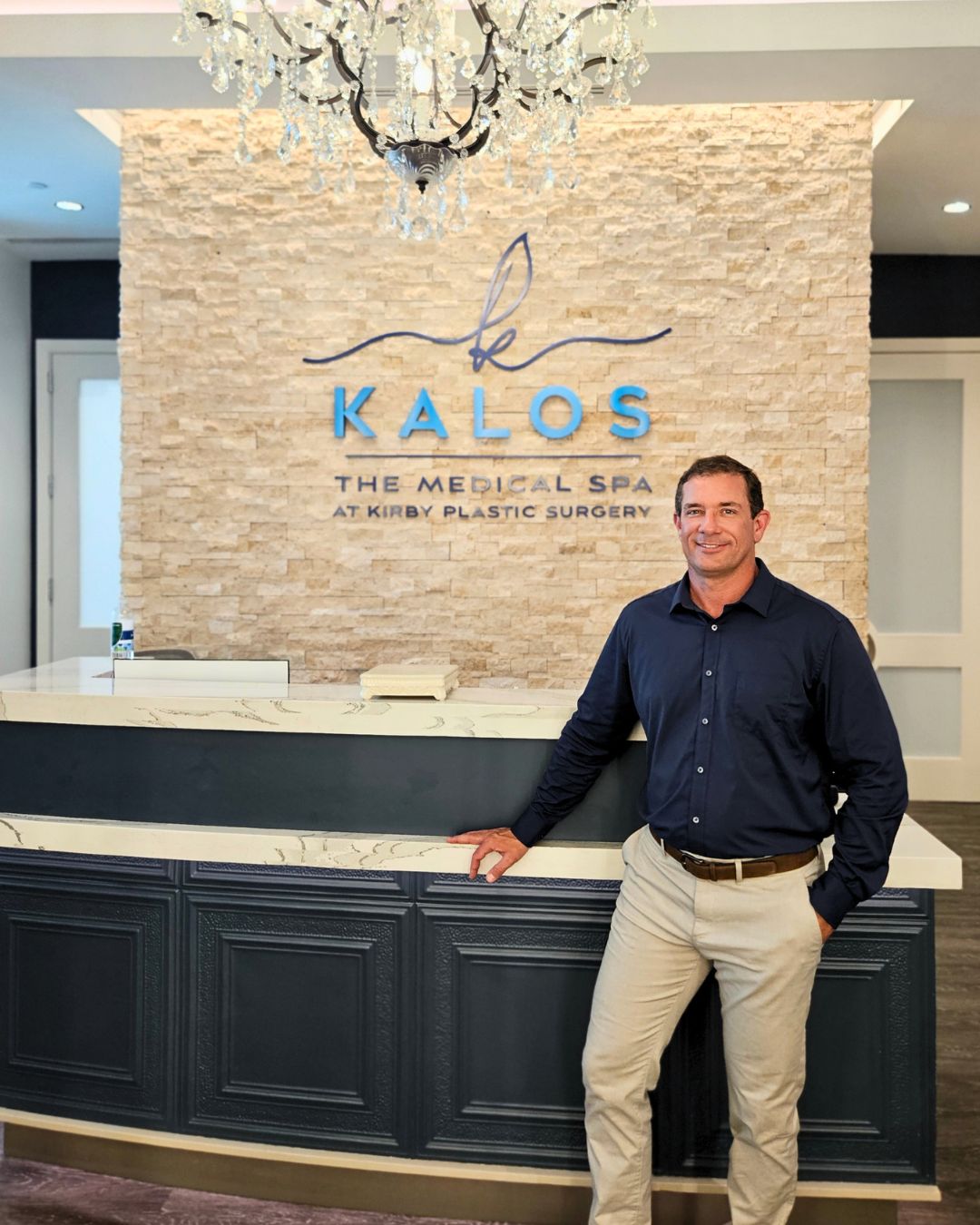
Along the way, he got married. At the time, his wife happened to be finishing her plastic surgery residency and, like many physicians, lacked a business background. So she and Randol decided to work together and build a practice.
He figured he’d help get it off the ground over “about three years or so” and then return to do his own thing. “That was fourteen years ago,” he told us, with a smile.
For much of that time, the practice grew. Slowly, steadily. But then, starting around 2022, revenue went flat. Randol knew something had to change, and he was willing to do the work to figure out what. So he went looking for the missing pieces.
He’d end up finding them in our Growth Boardroom. Over the next year or so, the practice:
Grew revenue by 21% and profit by 120%
Freed up $100k in working capital
Launched high-margin, recurring service lines
Made its first acquisition of key talent and customers
Here’s what changed.
1 Big Way Operators Get Stuck (And What To Do About It)
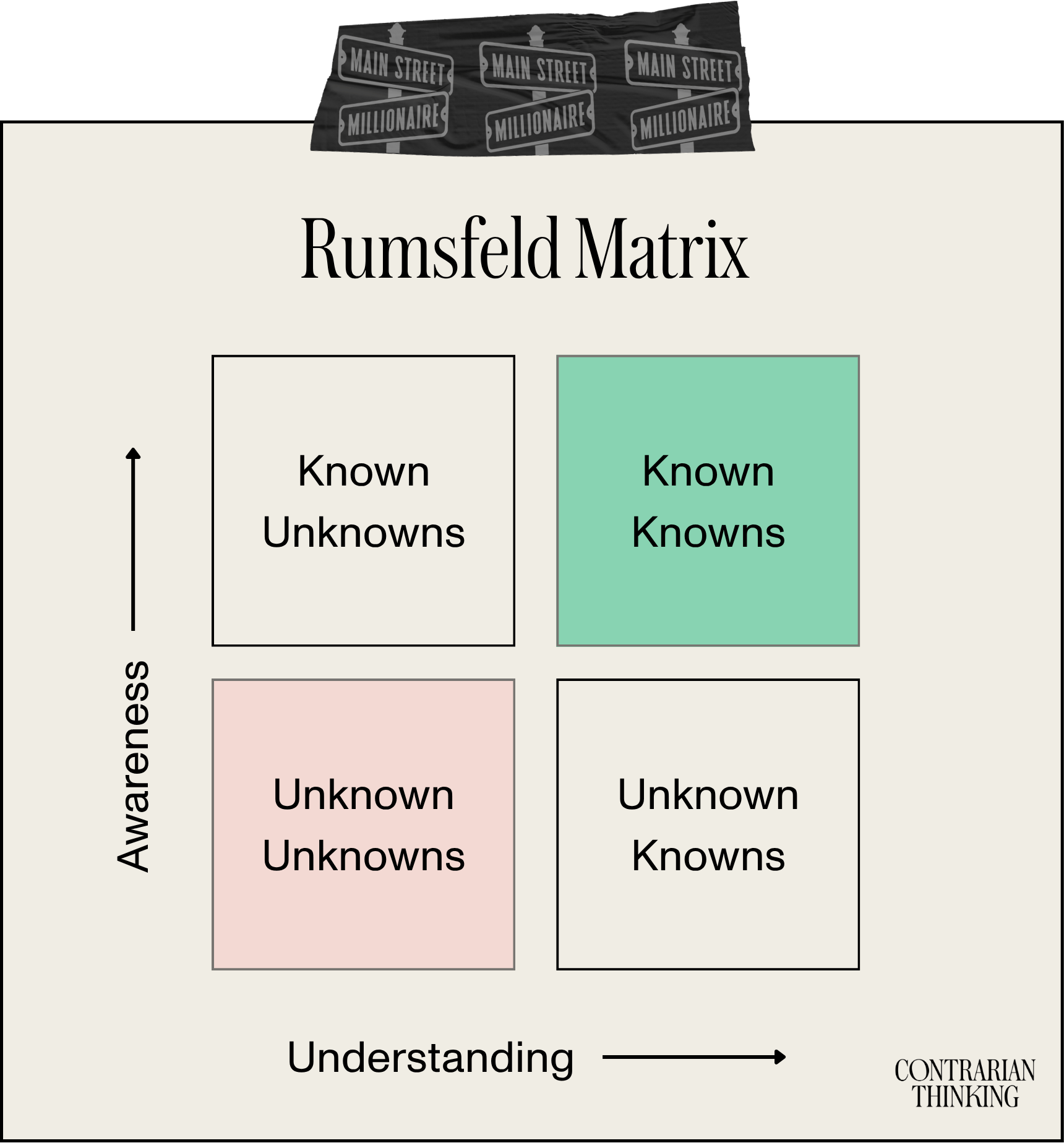
Randol illustrated his business plateau with a framework he picked up along the way: the Rumsfeld Matrix. The especially dangerous quadrant: you don’t know what you don’t know.
“I didn’t have any more tricks in my bag,” Randol told us. “I didn't know what I didn’t know. And that’s not a good place to be.”
That honest self-assessment is what pushed him to act. He attended one of our Growth Accelerator Workshops for owners.
What struck him first wasn’t a particular tactic or a framework. It was the other owners. The room had electrical contractors, dog service operators, and healthcare providers. And the core message kept landing the same way: 80% of what drives a business works the same across sectors. Lead management, operating systems, finding talent, and deploying OKRs. None of it had been in his MBA. All of it was immediately applicable.
“The more I learn through this group,” Randol told us, “the madder I get at my MBA.”
The 2-Question Filter That Got His Time Back
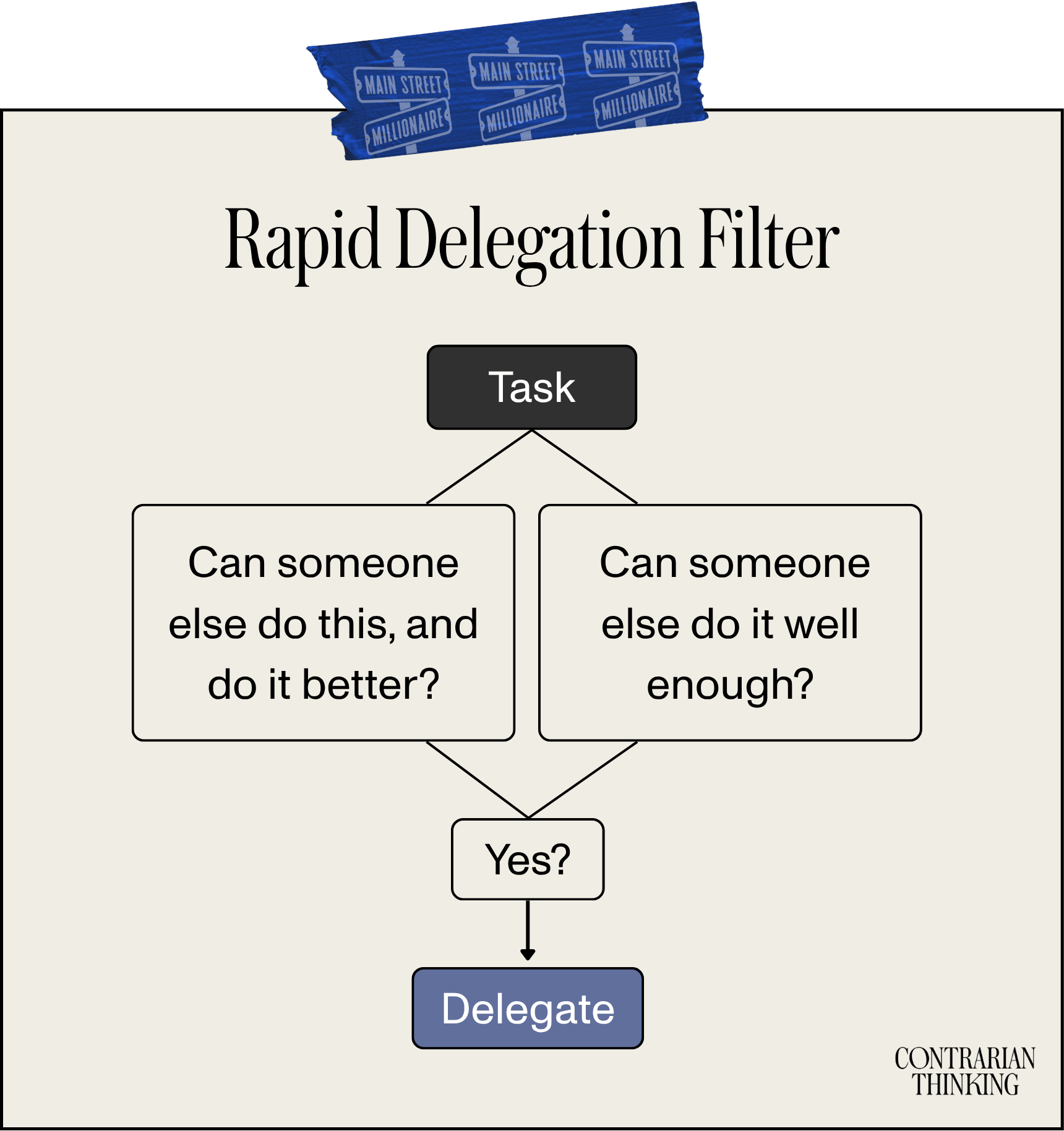
One of the first things the group pressed Randol on was where his time was actually going. The classic message: If you’re working in the business, you’re not working on it. Randol had heard it before. What he didn’t have (yet) was a concrete way to act on it.
His solution was a simple mental filter:
Payroll tasks were the first thing to go. He handed those off to a specialist who could do them more consistently, with more attention.
“That was probably my first aha moment,” he said. “I freed myself up from something, and it felt so good. And I was on to the next thing after that.”
He also hired a virtual assistant and adopted new time blocking practices.
“I have this tendency to take things on,” he told us. “It’s just sort of like a disease that I have. But the filter has helped me stay focused.”
With time freed up, Randol finally had room to actually work on the business. And that’s when the numbers started to move.
4 Moves That Unlocked Massive Change in His Bottom Line
When Randol mentioned his profit had grown 120% in the year since joining, he was the first to admit the number needs some unpacking.
One driver came quickly. In the Boardroom, Codie had talked about cash flow vs. cash suck businesses, and it clicked.
Randol revisited his supplier terms, which he had loosened during COVID. By renegotiating to net-30 terms with his major suppliers, he freed up $100,000 in working capital. “That was an easy, quick win,” he said. Largely a one-time benefit, but the point was to put that capital to work elsewhere.
Here were the other big drivers:
Service line expansion. The Boardroom pushed Randol to think hard about adding durable, higher-margin revenue streams, and luckily, Randol was already moving in that direction by formalizing and expanding a GLP-1 program.
Cross-pollination. Moving patients between the spa and surgery sides of the practice, and back, has improved both revenue and the patient experience. Advisors also pushed him to build out an enhanced referral program.
Paying closer attention. Being in the Boardroom reinvigorated Randol’s interest in his own business. He started spending more time in the books each month, identifying bottlenecks and opportunities he’d been missing.
Making key hires. Randol had heard plenty of talk about A players. What he didn’t have was a method for going out and finding one. The Boardroom made it practical.
For him, the core insight was the job description itself. Most postings read like a list of duties. “A list of job duties speaks to the B’s and C’s,” Randol quipped.
“A-players respond to something different. A description that captures the mission. That makes the role feel significant. That speaks to where the company is going.”
The 1 Problem He Actually Wants to Have
Randol’s big push this year is lead management. He’s replacing his CRM, but rebuilding the process first so the technology supports something that works. He’s also budgeted for a dedicated hire to own that function end-to-end.
“When you have technology with a bad process, all you do is speed up the bad process,” he said. “It becomes a faster train wreck instead of a slow one.”
He also recently completed his first “talent acquisition,” bringing on a provider with her own patient base whose service lines overlapped with the practice.
“When you bolt on something that’s already running, already in existence,” he said, “it’s like, wow, acquisition really speeds things up.” It’s primed him to think about what comes next: a larger facility, acquiring other practices, or both.
One thing that hasn’t changed is the practice’s core belief system.
“We believe the right thing and the profitable thing aren’t always the same. We choose the right thing, every time. Safety, trust, and excellence are the pillars. Revenue is just the result.”
But his time in the Boardroom taught him that values alone aren’t enough.
“Greatness requires more than good values. It requires surrounding yourself with the right people and intentionality. A real blueprint. That’s been my biggest revelation.”
What Randol is intentionally building toward is a capacity problem. A full house. The kind of problem that means everything else is working.
Today, he’s confident he’s going to get there.
Want to join our groups of thousands of smart business builders and buyers?
The information contained here is educational, may not be typical, and does not guarantee returns. Background, education, effort, and application will affect your experience and the profitability of any business. Individual results may vary.













.svg)


