You're not stuck, you're just alone at the top. Most entrepreneurs hit a ceiling, not because the opportunity isn't there, but because you're solving $10M problems with $1M strategies.
Buying an HVAC Business: Red Flags Inside a $3.3M Deal
April 30, 2025
8 min read
From the Main Street Minute newsletter, originally sent April 30, 2025 as "Would you buy this $3M HVAC business?"
Quick answer: Buying an HVAC business can make sense when there is a real team, recurring service contracts and clean books, but you have to pressure test the numbers. Jorge, a community member, offered $2.8M for a residential HVAC company listed at $3.3M with 10 employees and 2,000+ service contracts. But questionable add backs, hard to read books and a debt service coverage ratio of 1.19 surfaced in diligence. Even the bank had trouble understanding the financials, and the deal fell through.
Watch: What Codie wishes she knew before buying a business, including not buying a job, SBA loans and planning for the downside.
INSIDE THE NUMBERS
Would You Buy This Business?
One of our community members — we’ll call him Jorge — was looking to buy a cash-flowing HVAC business when he came across a deal that seemingly checked a lot of the right boxes.
Jorge did the math, lined up financing, and put together an offer.
But as he started digging — and opened the deal up to feedback from experts and other buyers in our community — more questions emerged. Among them:
Why did the seller’s best year ever happen to be the year he wanted to sell?
Why were the books so hard to piece together?
And what exactly counted as a legitimate add-back?
Let’s take a closer look.
DEAL GLANCE
What It Has Going For It
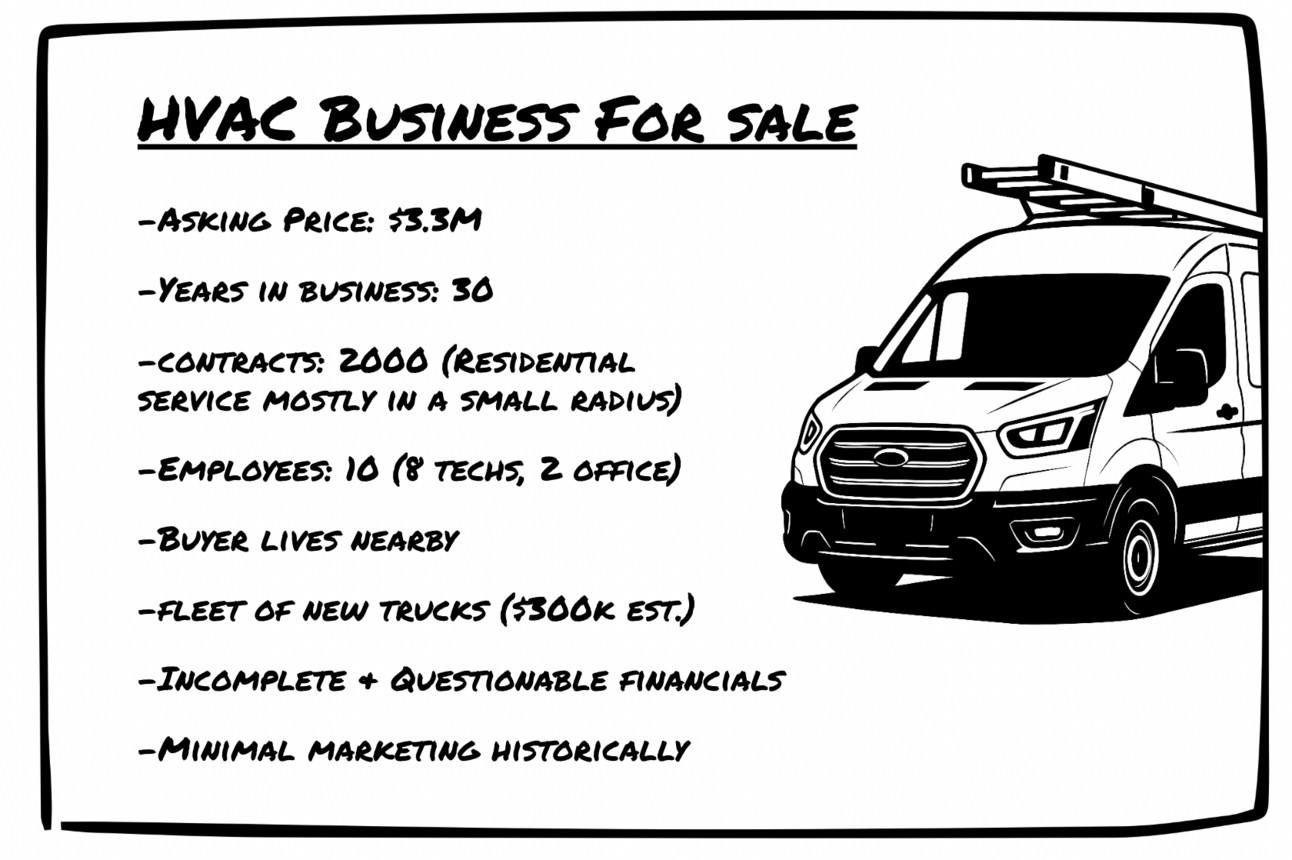
Jorge’s target was a residential HVAC company with a concentrated footprint. The business served customers within a 10-mile radius and had a few critical winning features:
10 employees (8 technicians, 2 office staff)
2k+ active service contracts
A truck fleet that was mostly under 2 years old, with a reported value of $300k
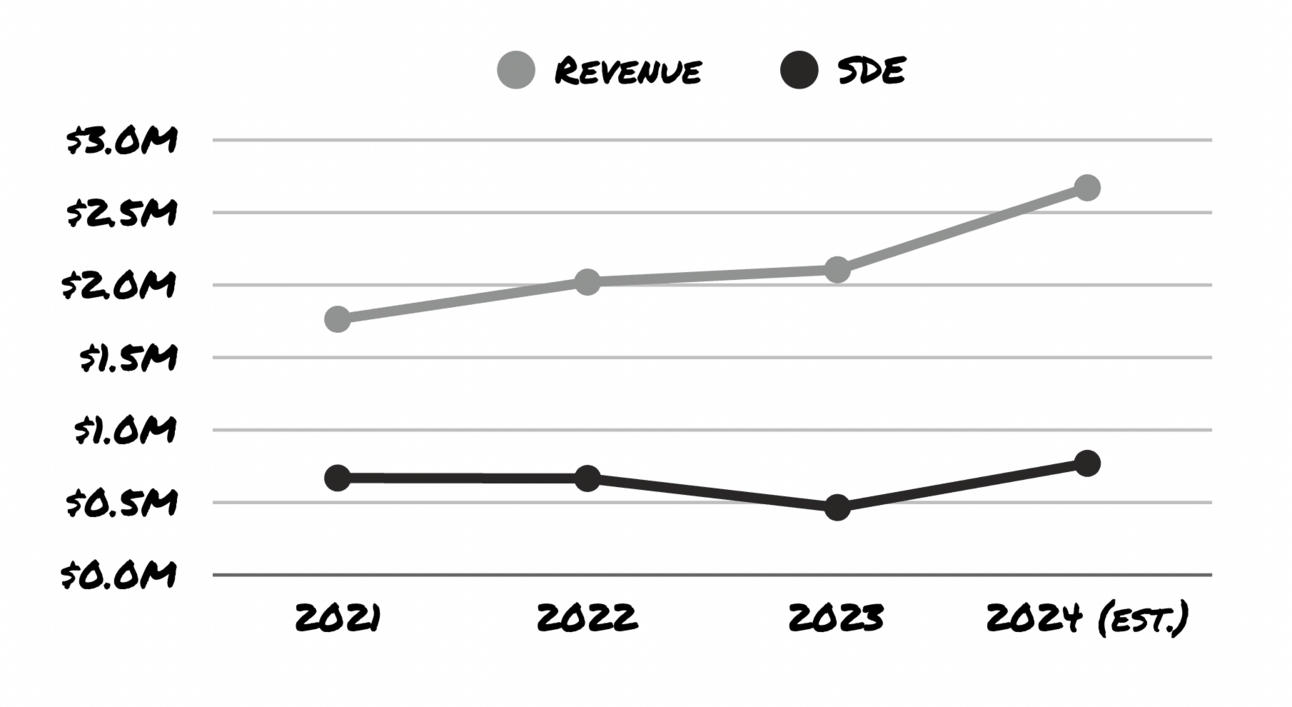
Minimal marketing historically, but a ~$600k bump in 2024 revenue following a big marketing push
Here’s what the company reported financially:
The buyer’s initial offer on the $3.3M listing was structured around a $2.8M proposed purchase price, with around $300k cash down, approximately 40% funded through seller financing, 10–15% seller equity retention with a buyout option, and the remainder funded through an SBA loan.
DIGGING DEEPER
Industry Snapshot
HVAC and plumbing (often bucketed together) is a sizable sector.
More than 105k contractors operate across the U.S., employing over 1.2M people and generating $218B annually. Most are small, local, and unsexy.
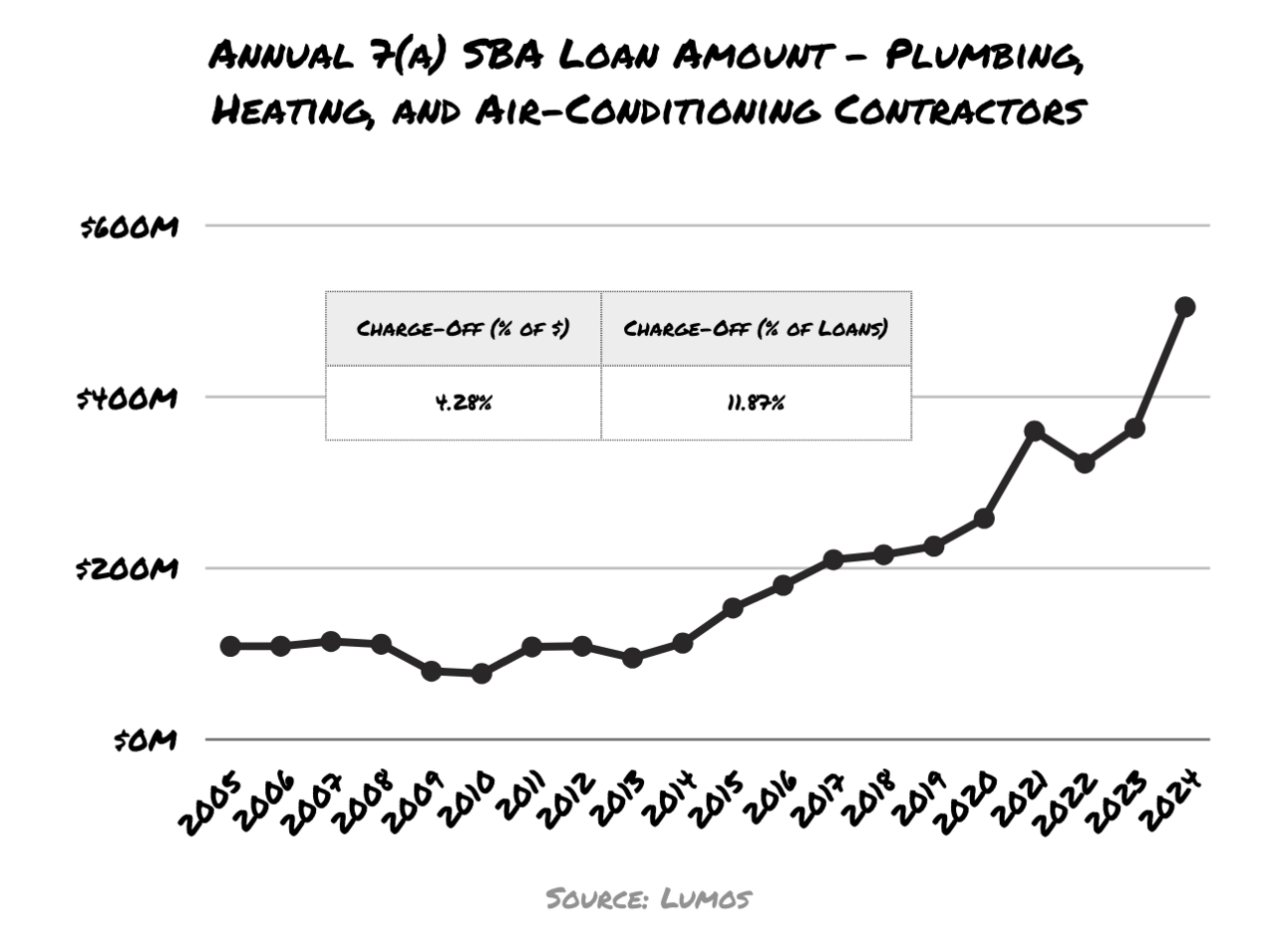
HVAC deals have increasingly been funded through SBA 7(a) loans — proof that banks, brokers, and buyers alike see this as a relatively reliable, growing sector.
But… Not all contractors are created equal. Over 60% of contractors are solo operators, generating just $65k/year in revenue. Firms that hire, systematize, and invest in scale begin to look very different, especially in revenue per employee.
That’s why this week’s $3.3M deal initially stood out. A team in place, trucks on the ground, and growing revenue despite minimal historic marketing.
COMPS
What’s It Worth?
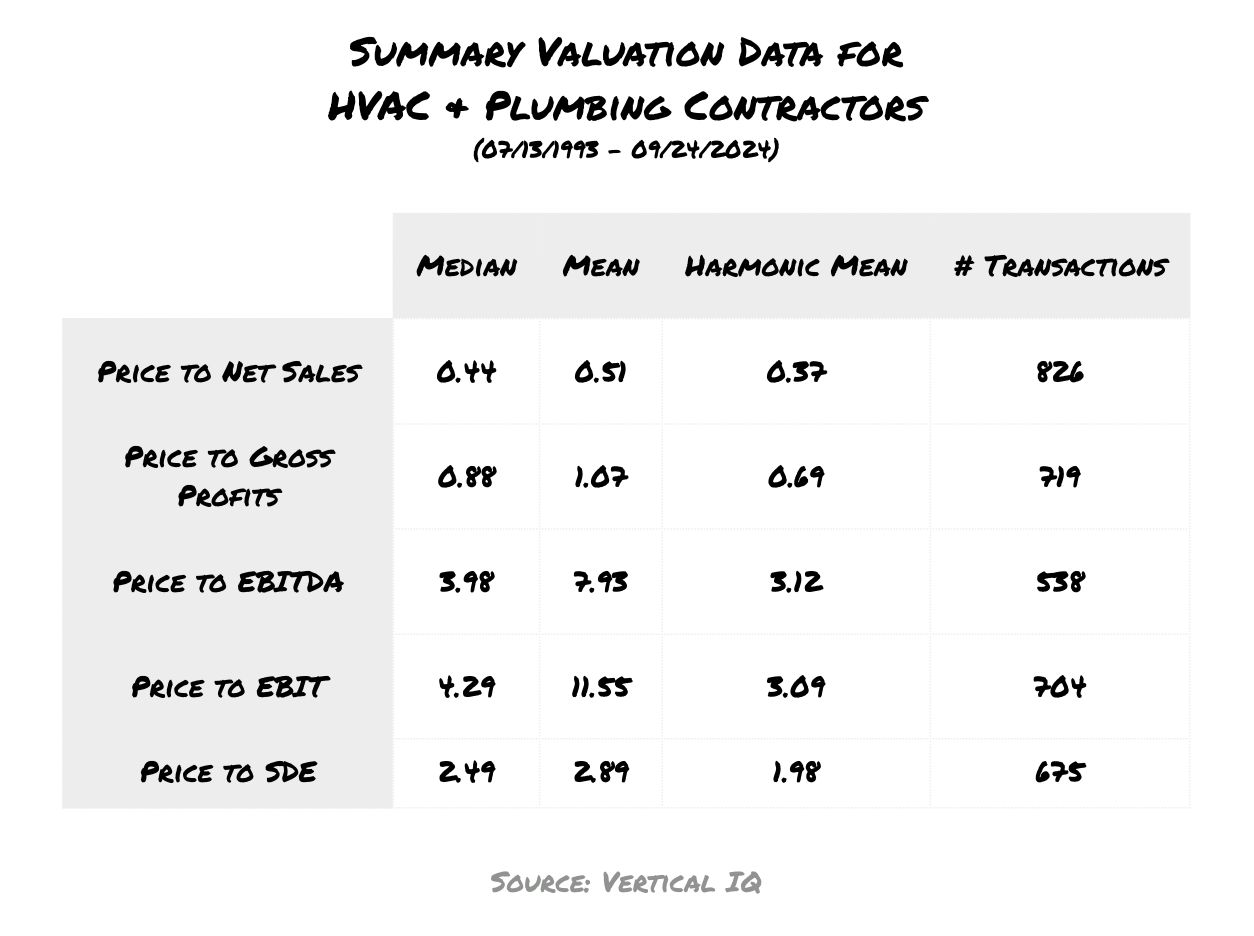
Valuations in this space swing widely, but the comps give us context.
The 3.6x SDE multiple on this deal price sat above the median, but not out of line for a company with service contracts, documented growth, and infrastructure to scale.
From our calls with buyers and sellers, these three levers consistently separate top operators from the average Joe in a van:
✅ Local marketing: Paid search, mailers, review engines = leads. One real campaign boosted this business’s sales by a reported $600k.
✅ Tech productivity: Routing, mobile tools, and pre-stocked trucks = more jobs per day.
✅ Pricing discipline: Flat-rate works if you know your numbers and have scale. But lowballing can kill margin and brand.
But even strong businesses are vulnerable...
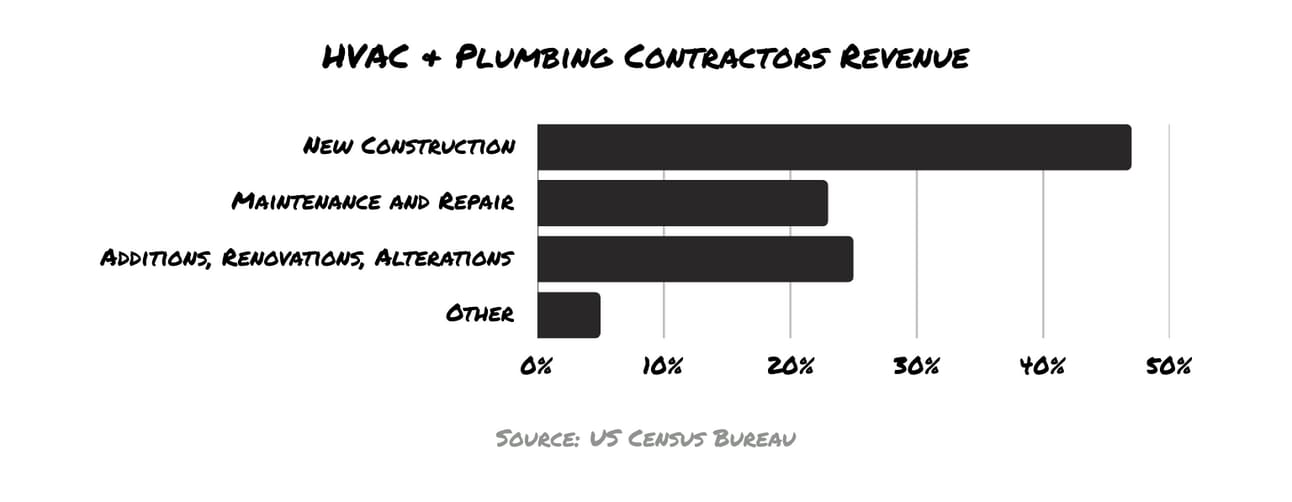
Seasonality can crush revenue. Copper and steel price swings can eat into profit. Payment delays can make spending on payroll and parts a juggling act. Construction cycle dependence adds volatility. That’s why revenue mix matters.
This particular deal leaned heavily toward service contracts, a good signal for buyers looking for recurring revenue and cash flow resiliency.
RED FLAGS
Potential Roadblocks
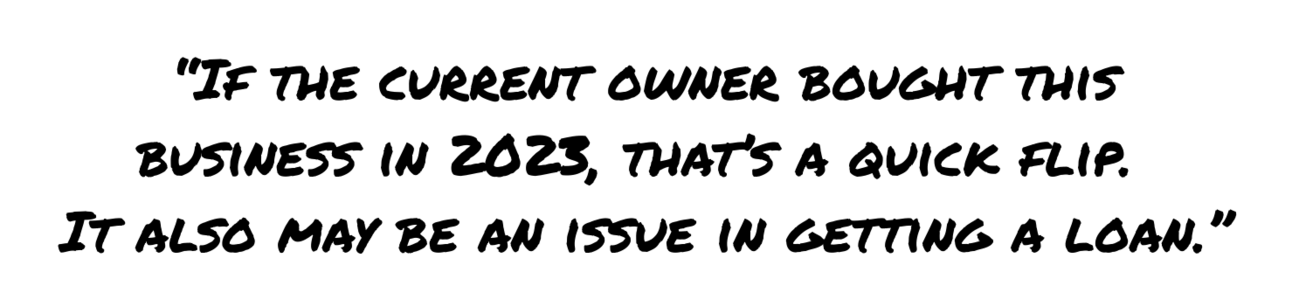
One of our deal facilitators, Candice Seiger, who has run businesses for 20+ years, raised concerns about a short ownership period.
But there was another issue...
The seller had reportedly expensed a $200k personal home renovation under cost of goods sold — and was now potentially attempting to include it as an addback.
Even if accepted, debt coverage was tight.
Jorge’s own analysis showed a debt service coverage ratio of 1.19. Candice noted that most SBA lenders require at least 1.2, and many experienced buyers aim for 1.5 to build in a safety buffer.
THE BOTTOM LINE
About that 27% YoY growth...
The deal’s revenue growth — from $2.1M in 2023 to nearly $2.7M in 2024 — raised eyebrows, too. Facilitator Lloyd Silver cut to the chase:
The energy was clear: momentum looks good, but assumptions need pressure-testing. If the buyer can:
Clean up the numbers with the seller
Clarify lender requirements
Lock in the right deal terms…
Then this deal could work. But if not? That $3.3M price tag might come with more heat than Jorge bargained for.
THE DECISION
How It Played Out
Just days after the live call, Jorge gave the group an update.
“Unfortunately, this deal fell through yesterday. There were some things on the financials that even the bank was having difficulty understanding. For the best, I think.”
Natalia, another member, replied: “Sometimes rejection truly is a form of protection.”
The buyer walked away from the deal sharper, more experienced, and better prepared for the next one. And everyone watching got a lesson in what it takes to underwrite, negotiate, and walk away.
Today’s story scratched the surface of justone live deal. Every week, our community dives far deeper into many more deals they’re working on. Want to join? Reach out to our team here.
Buyer's Guide: How to Buy an HVAC Business
Here is what any buyer can take from this deal, using only the numbers and lessons in the story above.
The deal by the numbers
Listing price: $3.3M. Jorge's proposed price: $2.8M, about 3.6x SDE.
Team: 10 employees, 8 technicians and 2 office staff.
Recurring base: 2,000+ active service contracts inside a 10 mile radius.
Fleet: trucks mostly under 2 years old, with a reported value of $300k.
Revenue: about $2.1M in 2023 and nearly $2.7M in 2024, a 27% jump that followed a big marketing push worth a reported $600k in sales.
Debt service coverage: 1.19 by Jorge's own math.
How the financing was structured
Jorge's offer stacked four pieces: around $300k cash down, roughly 40% seller financing, 10 to 15% seller equity retained with a buyout option, and an SBA loan for the rest. That is a classic way to keep cash in the deal low while keeping the seller invested in the outcome.
The SBA caps 7(a) loans at $5 million and lists changes of ownership as an approved use, so most Main Street acquisitions fit inside the program (SBA).
The catch is coverage. Candice, one of the community's deal facilitators, noted that most SBA lenders want a debt service coverage ratio of at least 1.2, and many experienced buyers aim for 1.5 to leave a buffer. At 1.19, the deal left almost no buffer for a slow season.
What to look for in an HVAC business
Service contract revenue. Contracts smooth out seasonality and give lenders confidence. This deal leaned heavily on service contracts, which is why it looked attractive at first.
A team that is not the owner. Most contractors are tiny. The newsletter notes that over 60% are solo operators averaging about $65k a year. A business with 8 technicians is a different animal.
Equipment age. A young fleet means fewer surprise capital expenses in year one.
Untapped levers. The three levers that separate top operators here are local marketing, technician productivity through routing and stocked trucks, and pricing discipline.
Red flags and mistakes to avoid
A record year right before the sale. Ask why the best year ever happened to be the year the owner wanted out, and whether the marketing spend that drove it will continue.
Personal expenses dressed up as add backs. The seller had reportedly expensed a $200k personal home renovation under cost of goods sold and wanted to add it back. Ask for proof on every add back before you let it raise the price.
Books you cannot reconcile. If you cannot piece the financials together, your lender probably cannot either. That is exactly what killed this deal.
A short ownership period. Candice raised concerns that the seller had not owned the business long.
Margin pressure. Seasonality, copper and steel price swings, slow customer payments and construction cycles can all squeeze profit.
Steps to buy an HVAC business
Set your deal box: residential or commercial, service heavy or install heavy, and the size of team you want to inherit.
Ask for three years of tax returns plus monthly financials, and rebuild SDE yourself.
Challenge every add back and ask the seller to document it.
Run debt service coverage at the price you plan to offer and aim well above your lender's minimum.
Review the service contract list, renewal rates and technician tenure.
Get outside eyes on the deal. Jorge's community review surfaced issues he had not spotted alone.
Be willing to walk. In Jorge's case, walking away was the win.
Frequently Asked Questions
Is an HVAC business a good business to buy?
It can be. HVAC and plumbing together are a large, local and fragmented industry, and businesses with technicians, trucks and service contracts are attractive to lenders. The quality of the books and the stability of earnings decide whether a specific deal is good.
What multiple do HVAC businesses sell for?
Valuations swing widely. The $2.8M price in this deal worked out to about 3.6x SDE, which the community saw as above the median but not out of line for a business with service contracts and documented growth.
What debt service coverage ratio do SBA lenders want?
According to the deal facilitator in this story, most SBA lenders require at least 1.2, and many experienced buyers aim for 1.5 to build in a safety buffer.
What is a legitimate add back when buying a business?
An add back should be an expense the new owner will not have, backed by documentation. A seller's $200k personal home renovation booked as cost of goods sold, as in this deal, deserves hard questions before it raises the price.
The information contained here is educational, may not be typical, and does not guarantee returns. Background, education, effort, and application will affect your experience and the profitability of any business. Individual results may vary.
Thinking about buying a business? Learn how in Codie's free live masterclass.
A two day, in person workshop in Austin with the Contrarian Thinking team. Find hidden profits, close the gaps in your business and map the steps to grow revenue.