You're not stuck, you're just alone at the top. Most entrepreneurs hit a ceiling, not because the opportunity isn't there, but because you're solving $10M problems with $1M strategies.
We’ve watched thousands of smart people try to buy a business.
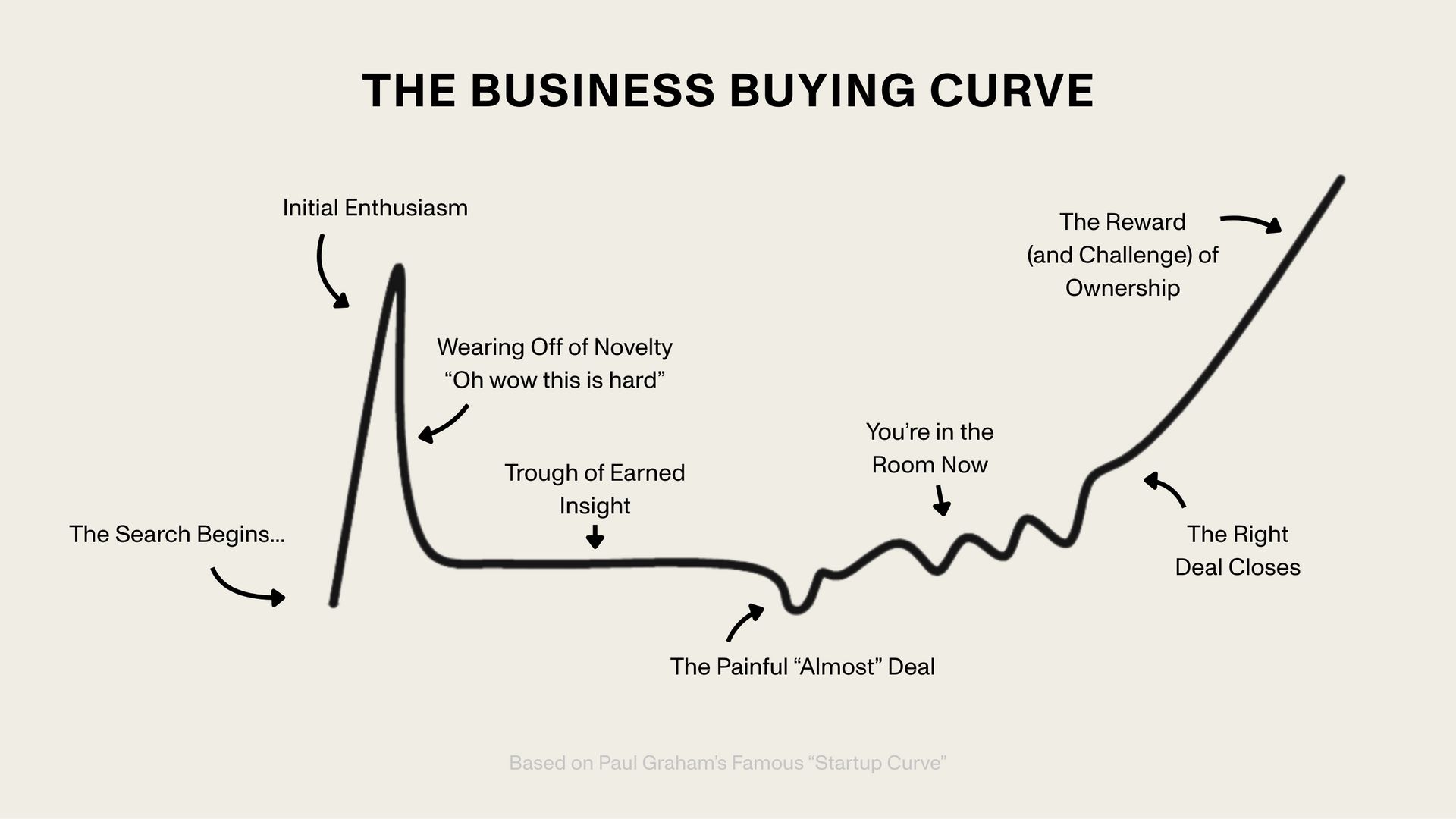
If you do it right, it usually goes something like this…
But many people don’t do it right.
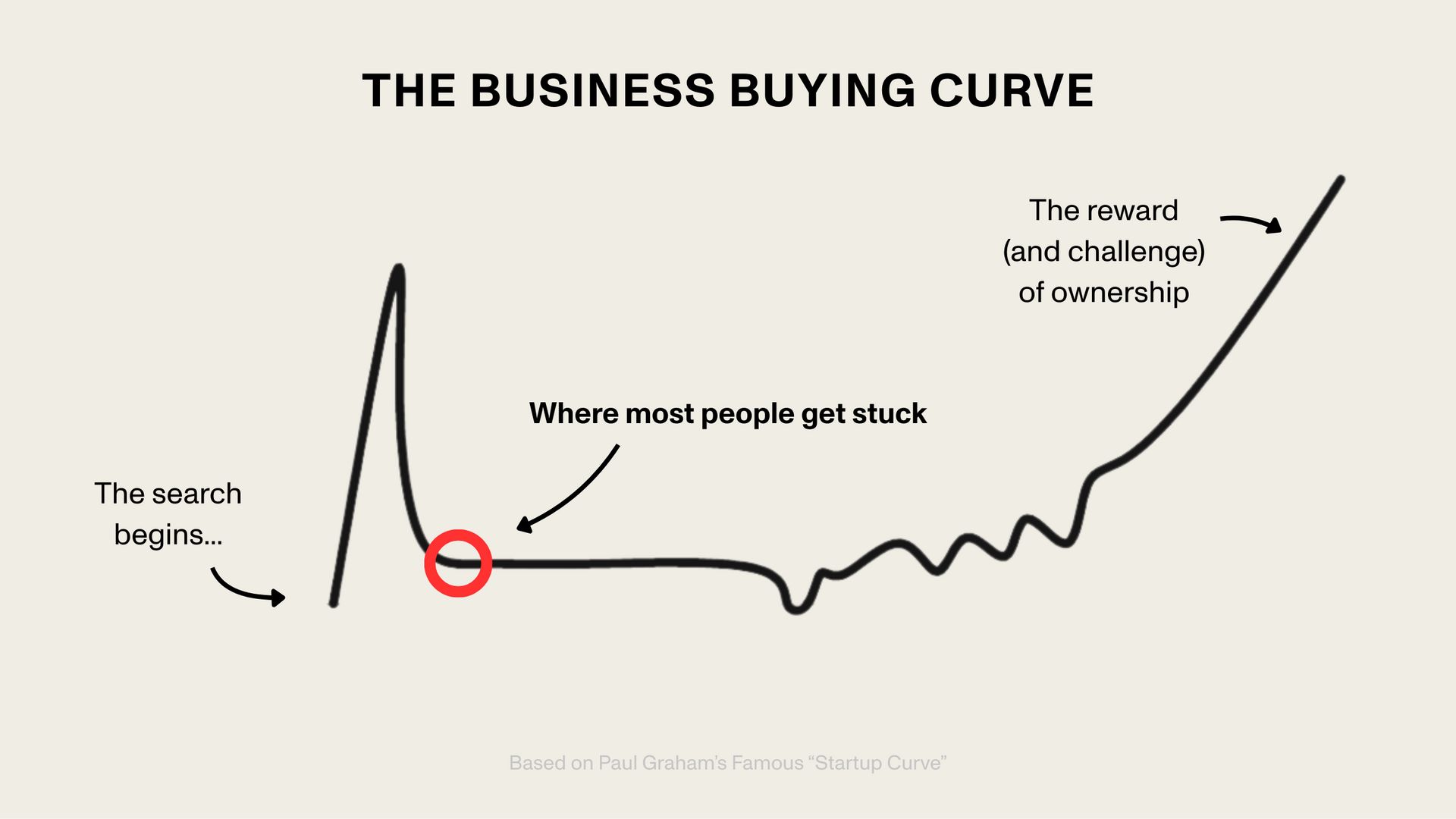
Usually, they lose momentum and get stuck right after the first big drop-off.
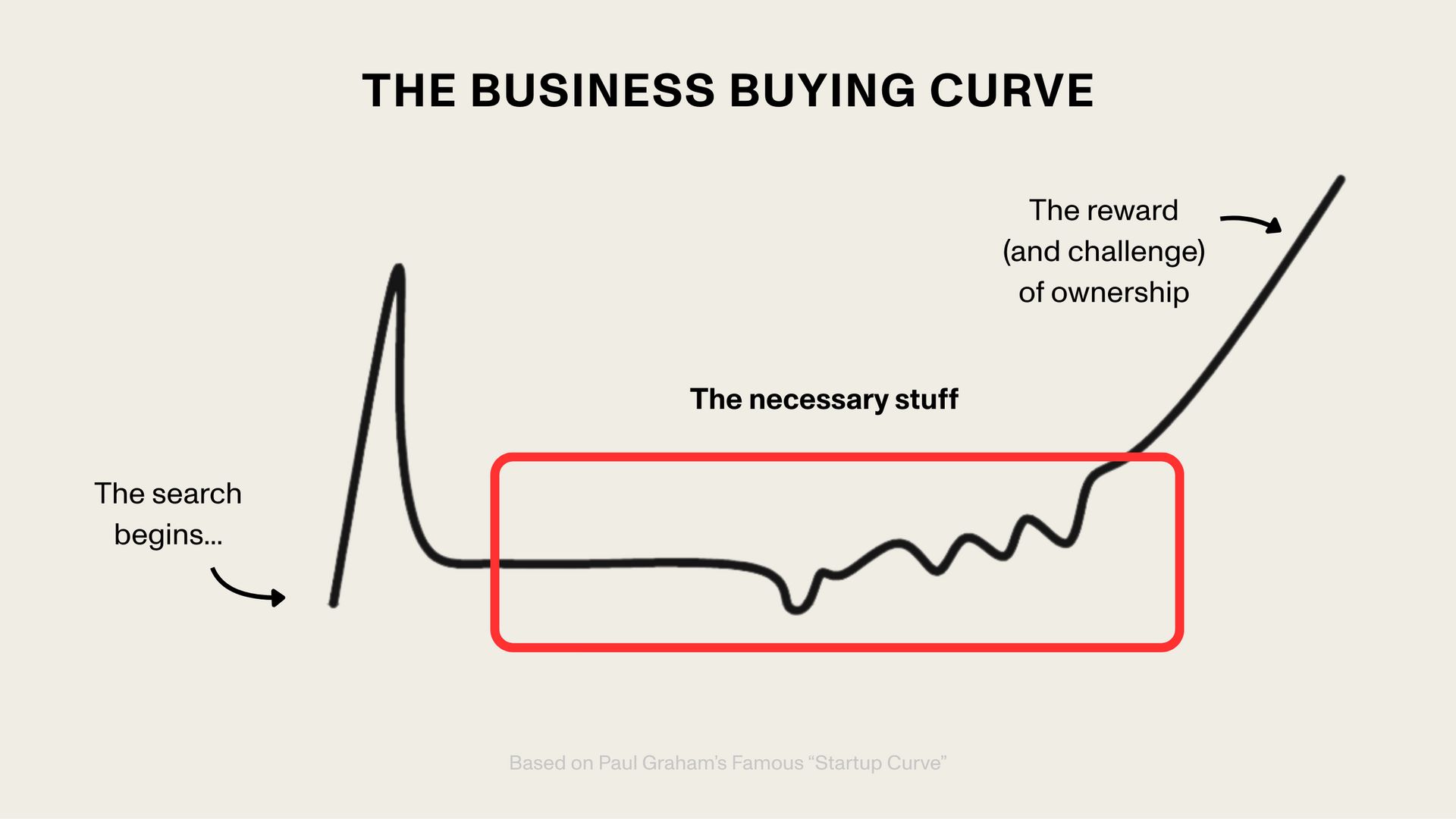
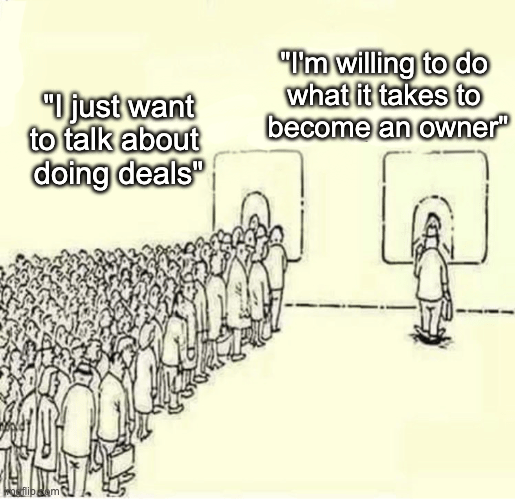
That’s because, like most things, there’s a huge gap between people who talk about buying a business and people who actually do what’s necessary.
One of the biggest lies people tend to tell themselves repeatedly is: “I’m going to do this… I just need to learn a little bit more.”
“I just need to know more,” they usually say. “Then I’ll make a move…”
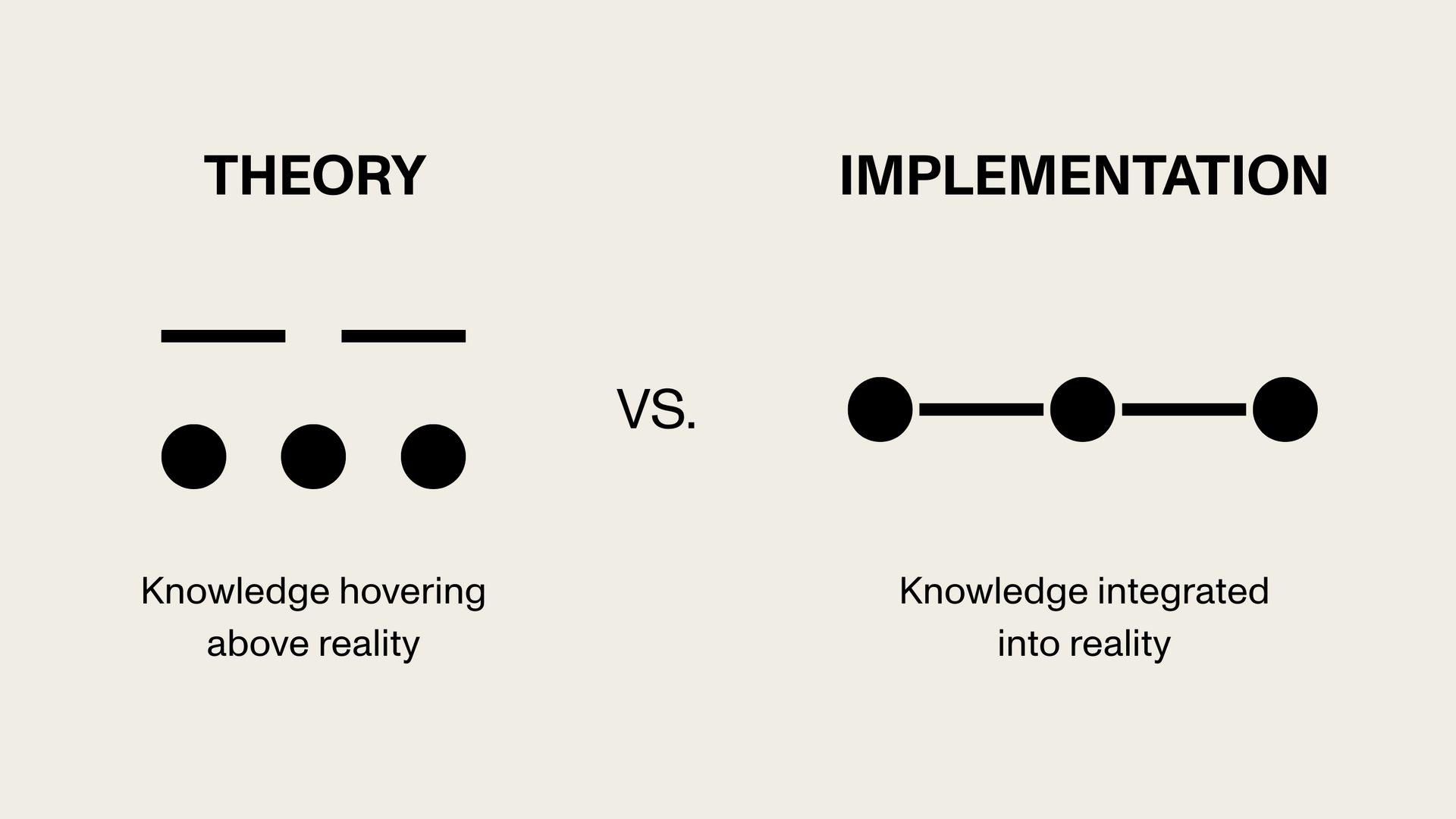
Um… no. You will learn 10x more by doing than by thinking about doing.
The people who actually make progress want to learn more, too, by the way.
They just do it by taking action.
More than that, they use practical systems that essentially bully them into taking action.
See, when it comes to buying a business, the process can take time. You’re buying a business, after all.
There are a lot of factors, decisions, and risks involved. It takes time to find the right business for you and structure the right deal.
For Contrarian Academy member Jesus Wong, it took 6 months of focused search.
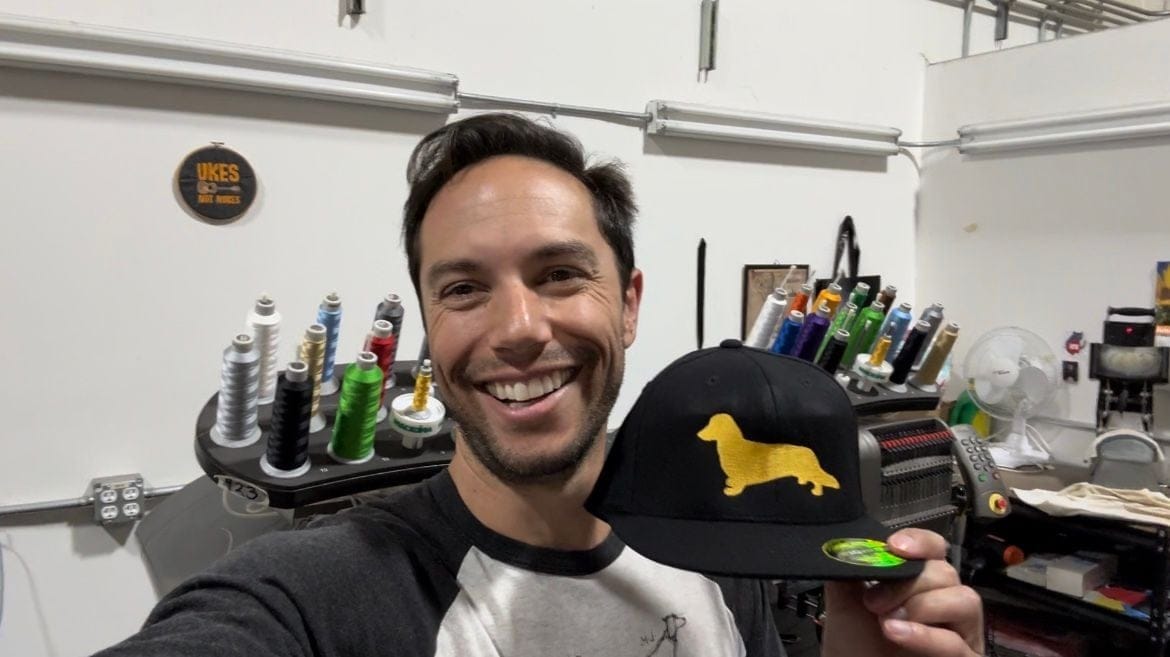
Sometimes, it takes longer. For Alex Ramon, it was 18 months before he closed on the acquisition of a custom branding and merchandising company.
That 1 move turned his existing business’s biggest expense into a new profit lever.
“The owner had been running it for 23 years, was in his 70s, and was ready to retire,” Alex told us. “The employees had been there for over a decade. It was a perfect fit.”
Other times, a deal can also happen relatively quickly.
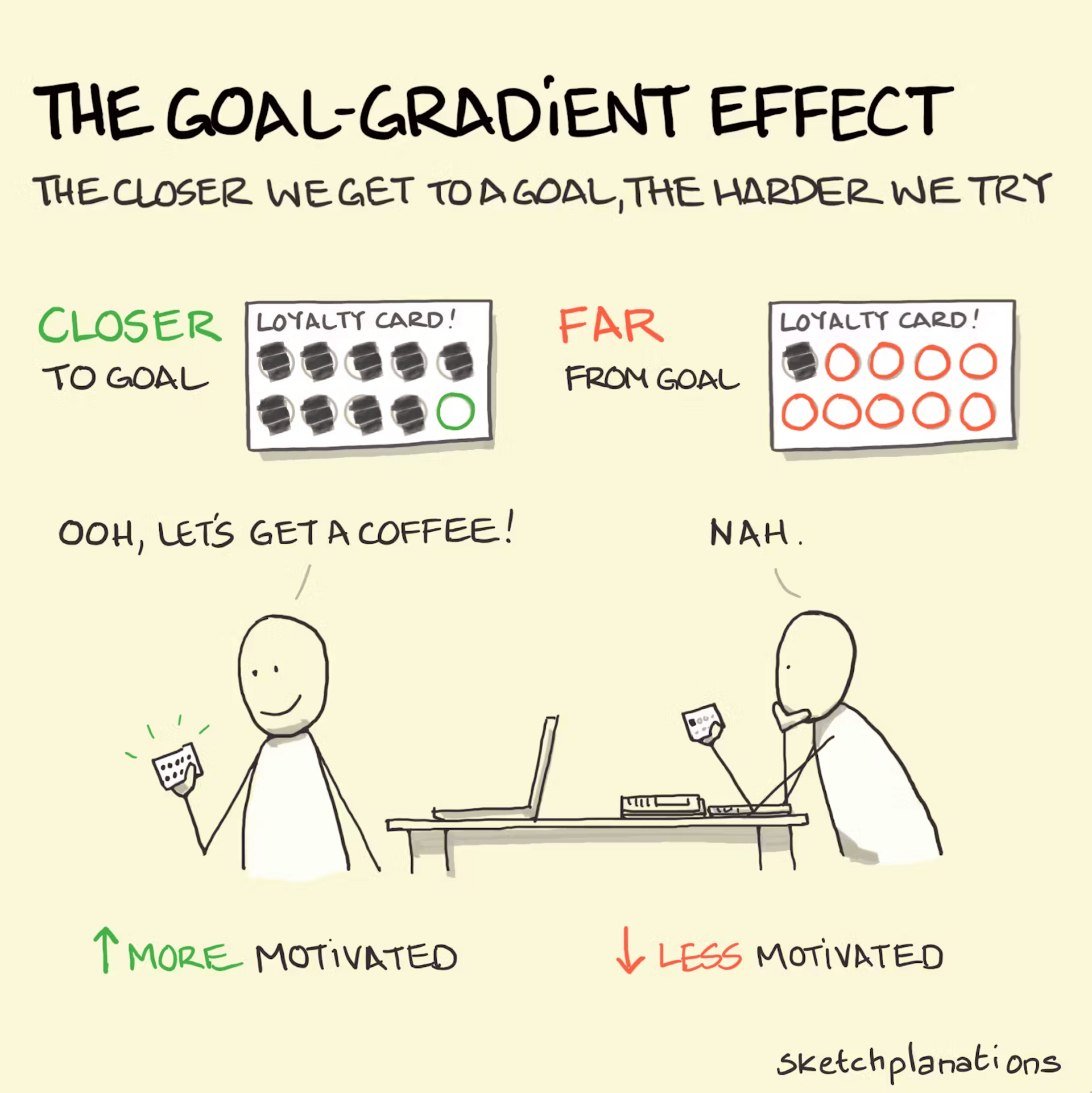
You are not “buying a business.” Well, sure you are. But more specifically:
You have learned 2 of 3 core skills.
You have made 8 of 10 broker calls this month.
You have reviewed 4 of 5 deals you committed to analyze this week.
Each checkpoint creates proximity. Each one pulls effort forward. Progress becomes visible.
Instead of waiting months to feel accomplished, you accelerate across finish lines every few days, and they add up faster than you’d expect toward the larger objective.
It’s honestly really cool to see.
2. Parkinson’s Law & Deal-Making
Finish lines alone are not enough, though. You need a countdown clock. A deadline.
This is one reason we see some buyers “actively searching” for deals for years on end.
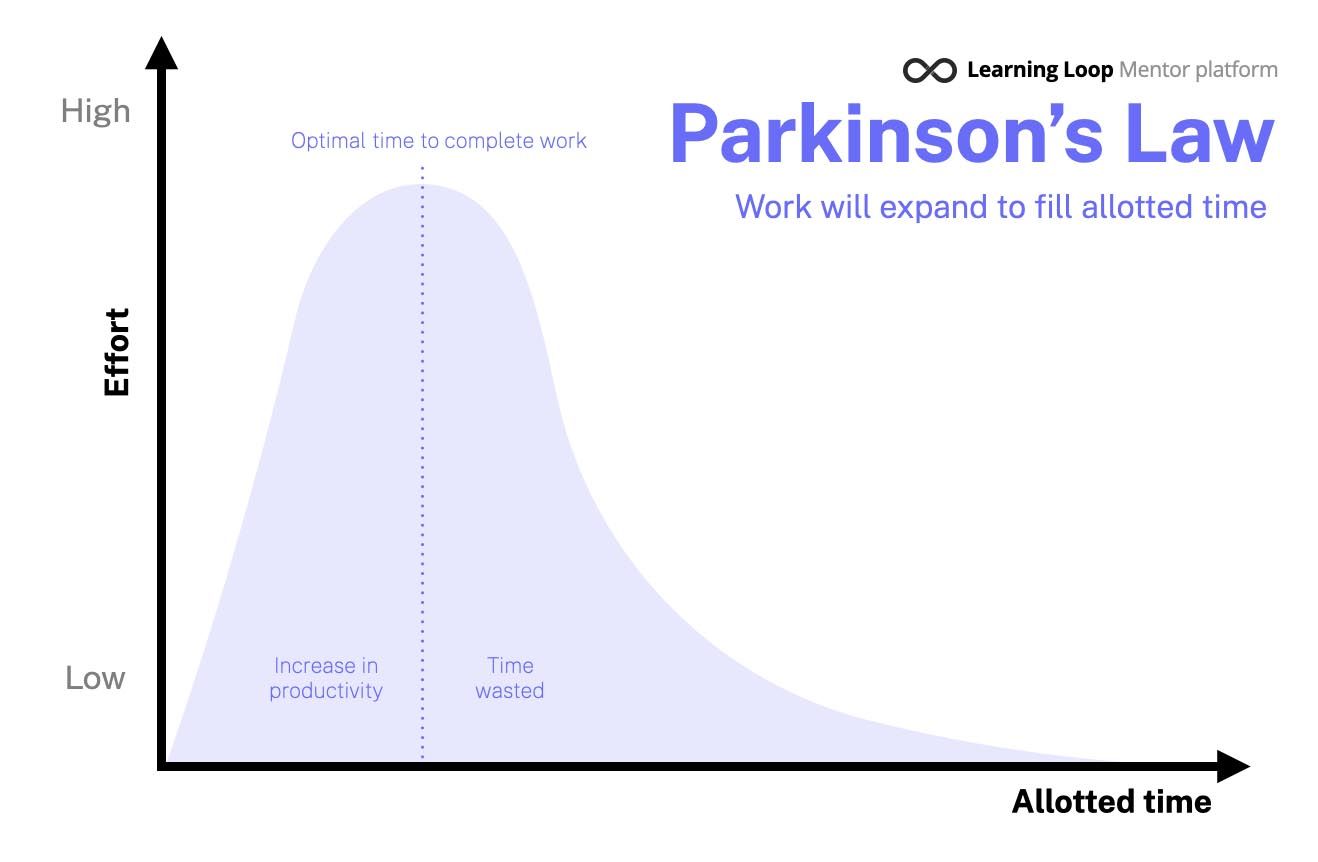
When buyers give themselves open-ended timelines, every task takes longer than it should. Like, months longer. Parkinson’s Law says it plainly:
“Work expands to fill the time available for its completion.”
Left alone, most people quietly renegotiate timelines with themselves. A month turns into 3, then 6, then a year.
Give yourself a year to “search for a business,” and you will have made no progress on anything by month 11.
Not because you’re lazy, but because the container is too large and unspecific. So we help buyers get specific with:
Clear windows
Fixed deadlines
Check-ins and reminders
We set baselines for how long things should take. Then we help people put themselves on the clock and hold them accountable.
3. The Hawthorne Effect in Your Acquisition Search
The Hawthorne Effect is the idea that people change their behavior when they know others are watching.
Yeah, we buy it.
People in our programs are incentivized to make their actions, progress, and goals visible to each other and to us. Individual check-ins are often public, too.
Here’s why this works wonders:
No one wants to be the person who said they would do 5 tasks and did zero.
No one wants to show up empty-handed when others are showing real momentum and getting credit for it.
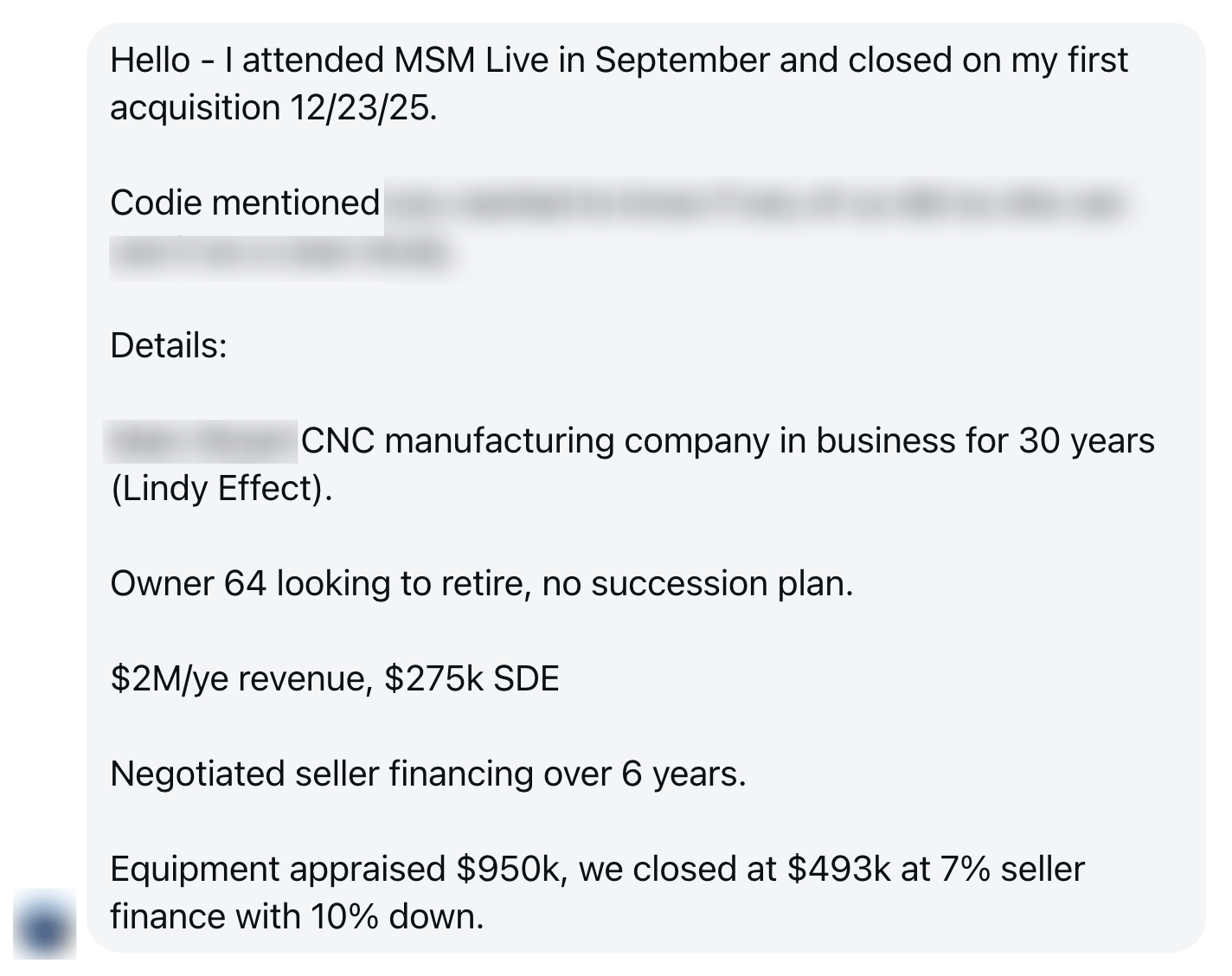
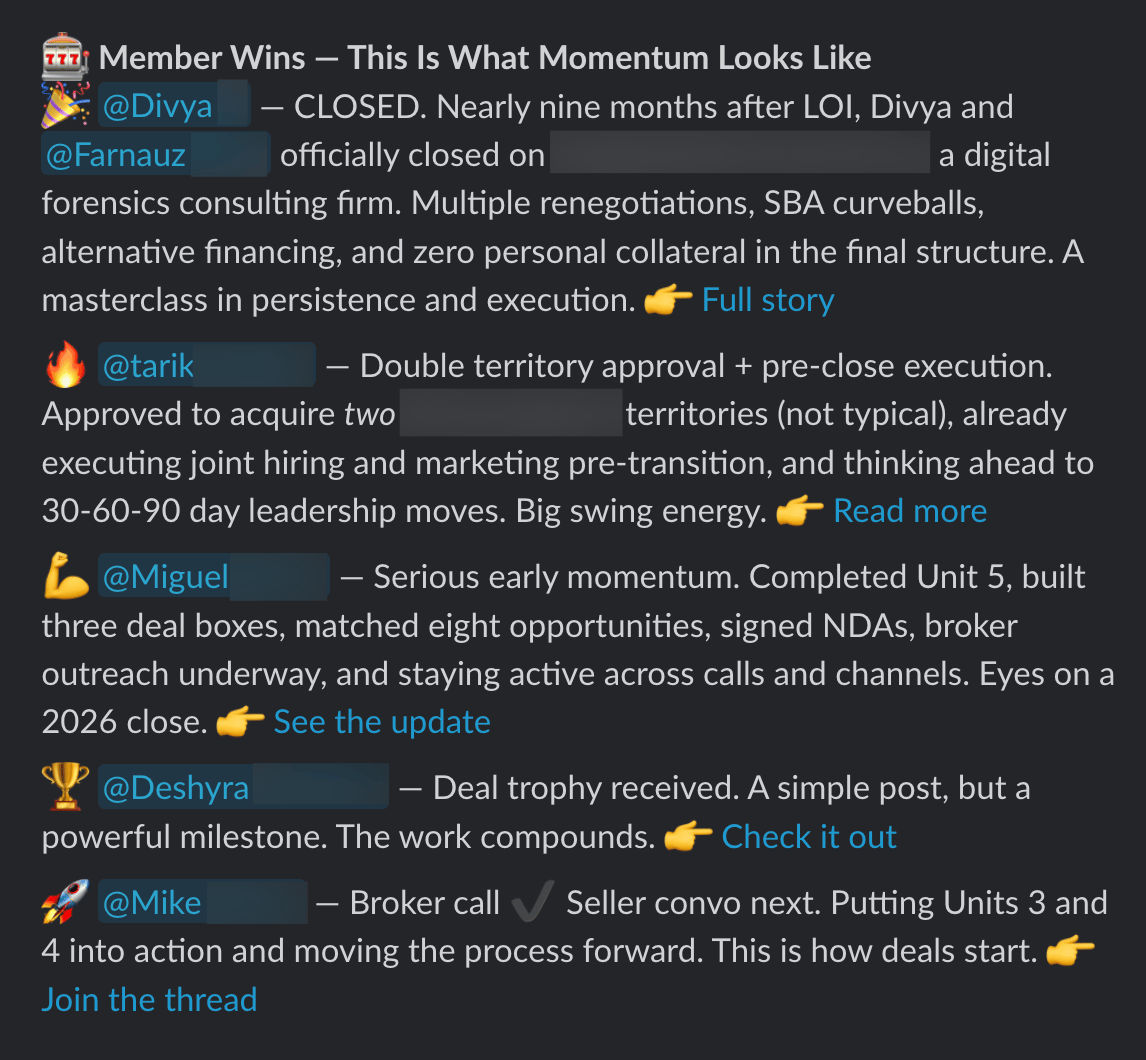
Here’s 1 example from yesterday of what visible momentum looks like for business buyers:
When no one is watching, it’s easy to do nothing.
But when you know someone is watching, will ask about your progress, and celebrate it, too, progress is more likely to happen.
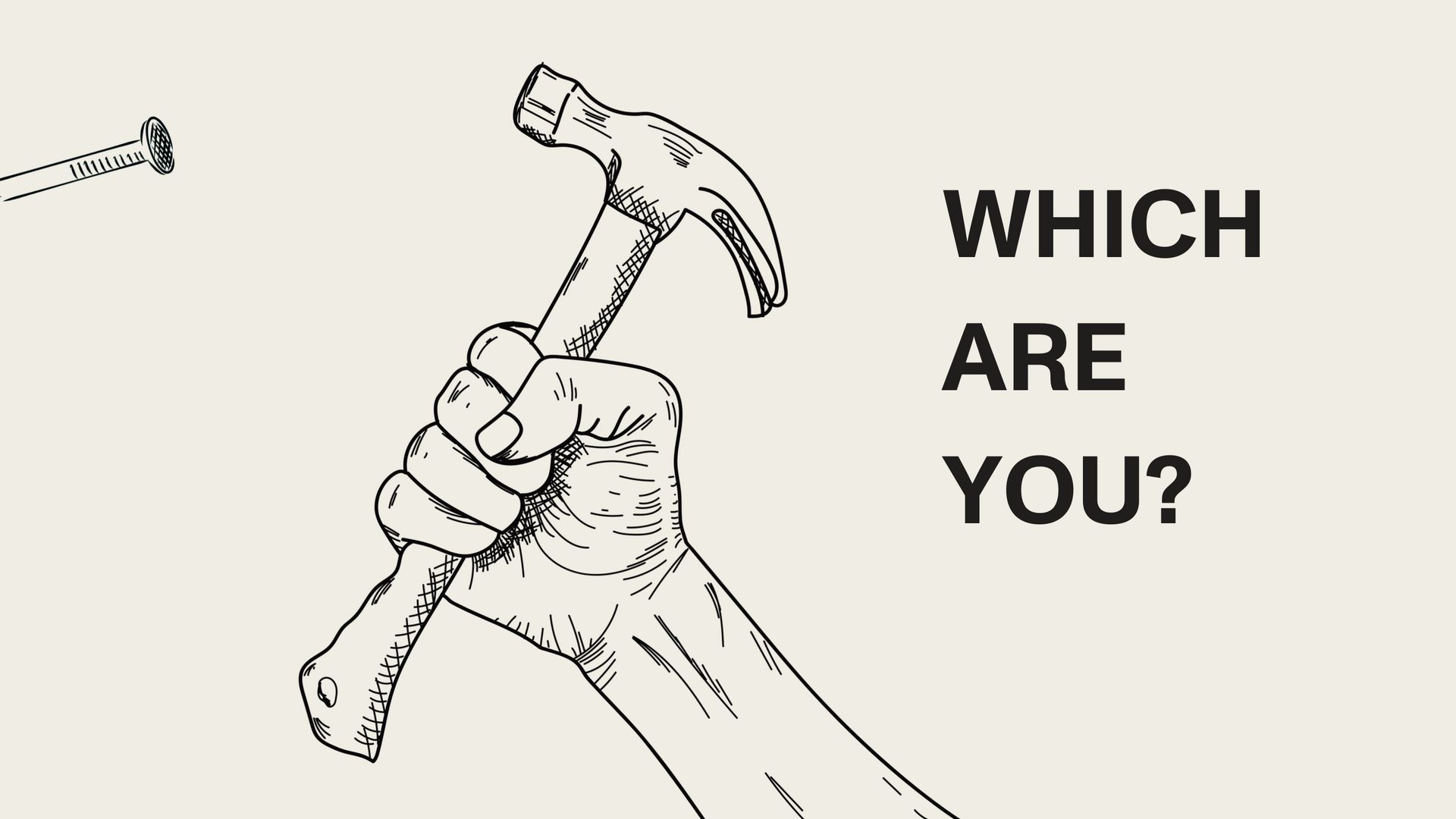
Now Decide: Are You a Hammer or a Nail?
Yes, you.
This is one of the most important frameworks we know of, because the answer will determine so many things in your life.
Hammers aren’t afraid to swing hard, take calculated risks, and make an impact.
They don’t wait for things to happen; they make things happen.
Nails, on the other hand, wait for things to happen.
And they get pounded for it.
They hold things in place, but only because someone else decided they should. They stay put and hope they don’t get bent out of shape.
It can be easy to look at the work of a hammer and think, “Must be nice.”
But it’s not easy. What you don’t see are the years of blunt force trauma on the hammer’s head, face, neck, cheek, throat, eye, and claw (all the actual parts of a hammer).
If you truly want to buy a business in 2026, you need to think like a hammer and build systems that move you forward every day.
Break big goals into small races. Compress time. Find accountability partners. Decide in advance what action looks like.
Ownership is not a personality trait. It’s a set of actions, repeated long enough to change your reality.
Be a hammer.
-Team Contrarian
The information contained here is educational, may not be typical, and does not guarantee returns. Background, education, effort, and application will affect your experience and the profitability of any business. Individual results may vary.









.png)




.svg)


