You're not stuck, you're just alone at the top. Most entrepreneurs hit a ceiling, not because the opportunity isn't there, but because you're solving $10M problems with $1M strategies.
We're all becoming phone-obsessed weirdos who can't maintain eye contact for more than six seconds. So the question you should be asking yourself right now is:
Okay, what if I just got really good at the thing everyone else is getting bad at?
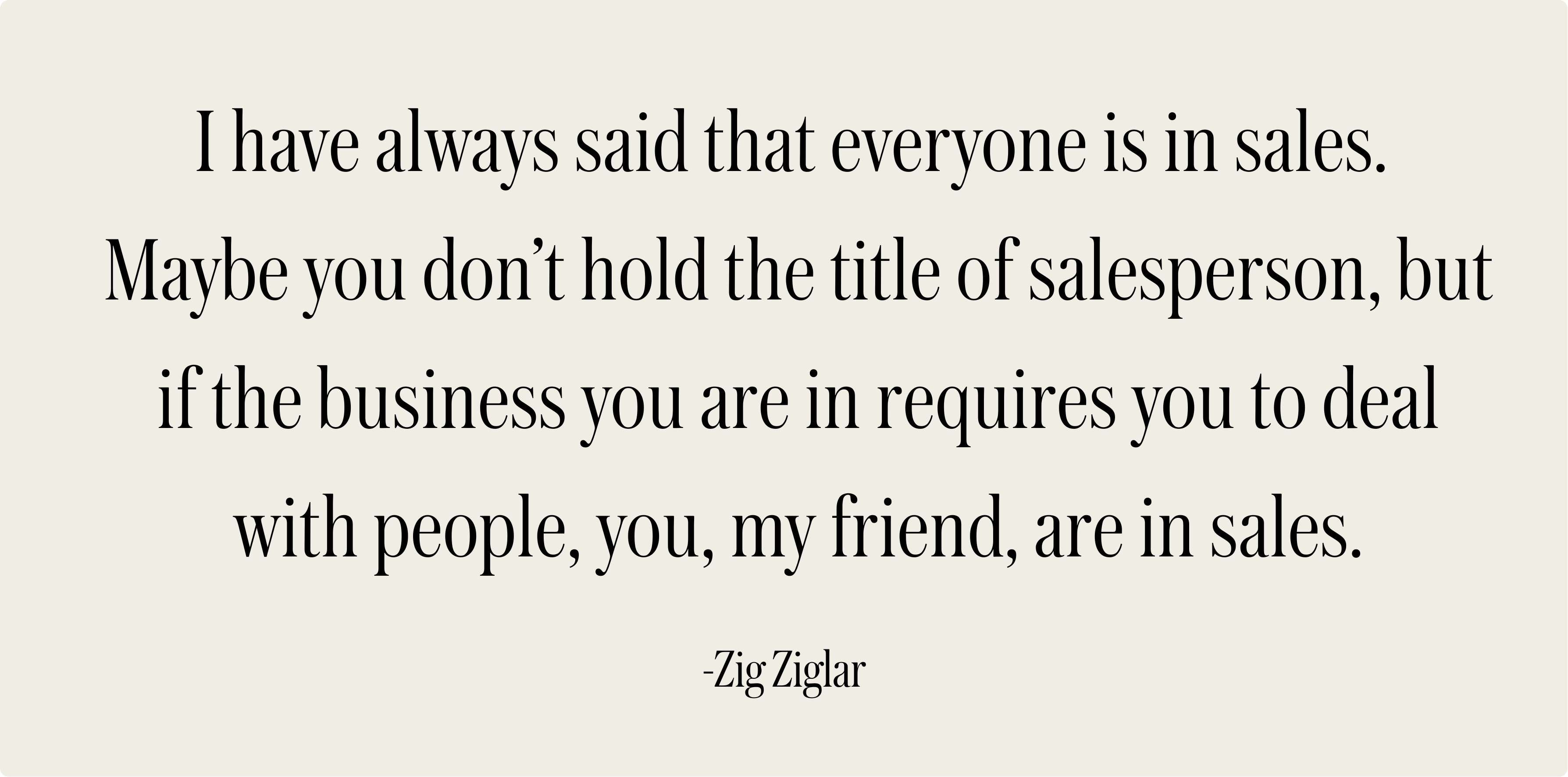
Whether you like it or not, everything is sales, and everyone is in sales.
Getting hired is sales.
Getting a budget approved is sales.
Getting promoted is sales.
Getting someone to join your team is sales.
Raising money is sales.
Getting a team behind your idea is sales.
Buying a business is sales.
Growing a business is sales.
Building an audience is sales.
Marketing is sales.
Convincing your kid to eat vegetables is sales.
Strip away the semantics, and it’s all the same thing: building trust, communicating value, closing.
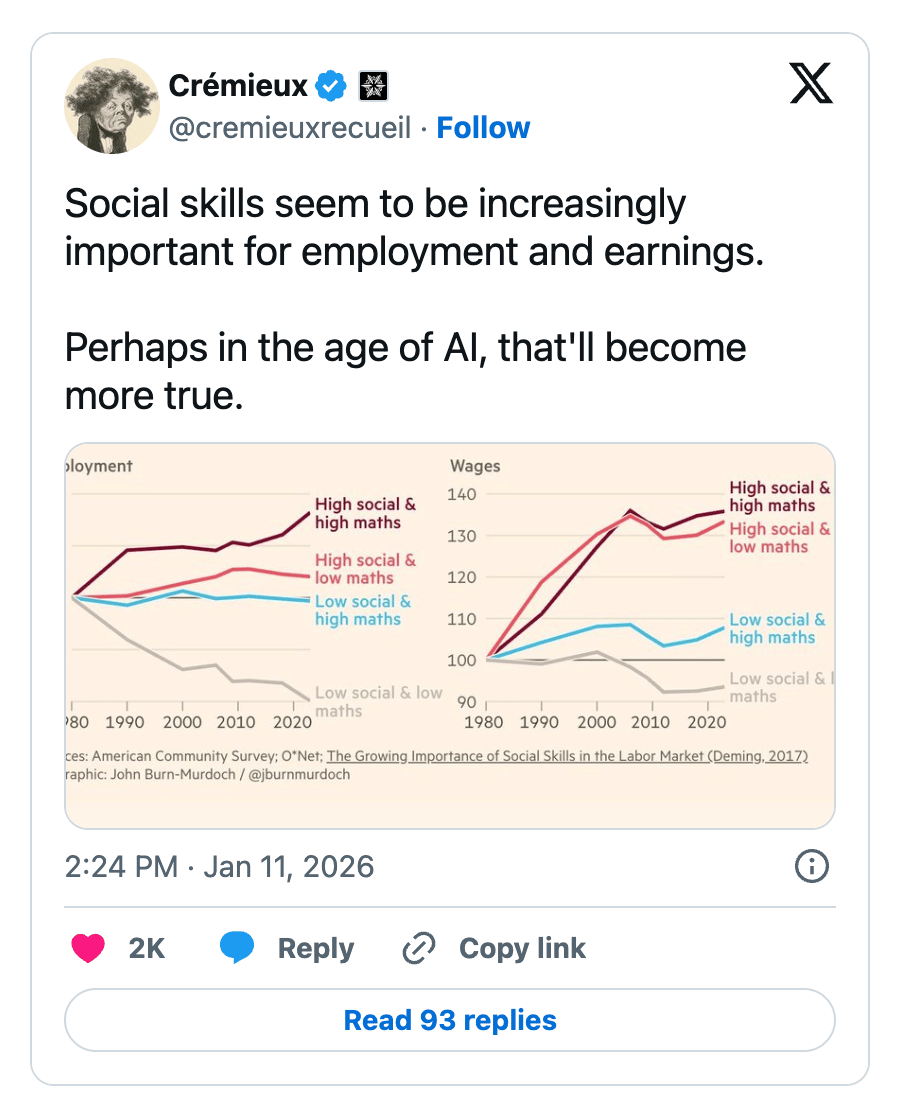
The economy is (increasingly) rewarding people getting better at this and punishing people who aren't, and that reality is only going to snowball.
As AI makes building anything easier, selling anything will be harder.
“GET GOOD AT SELLING OR FACE THE WRATH OF AI. MWAHAHAHA” -the market, if it could talk
The economy has been shifting for decades toward rewarding sales skills. It’s about to go into hyperdrive, and many people still haven't caught on.
Here's what makes sales different from almost every other skillset: it creates the potential for non-linear outcomes. And we’re about to dive headfirst into the age of non-linear work.
Look at the macro picture. Labor's share of economic output is at the lowest point since the late 1940s. The old deal (trade time for money, save it, retire) is breaking.
Asset prices have exploded, wages have stayed flat.
If you're only trading your time for money (unless you’re the top 1% in your field), you’re on the wrong side of the equation, babe.
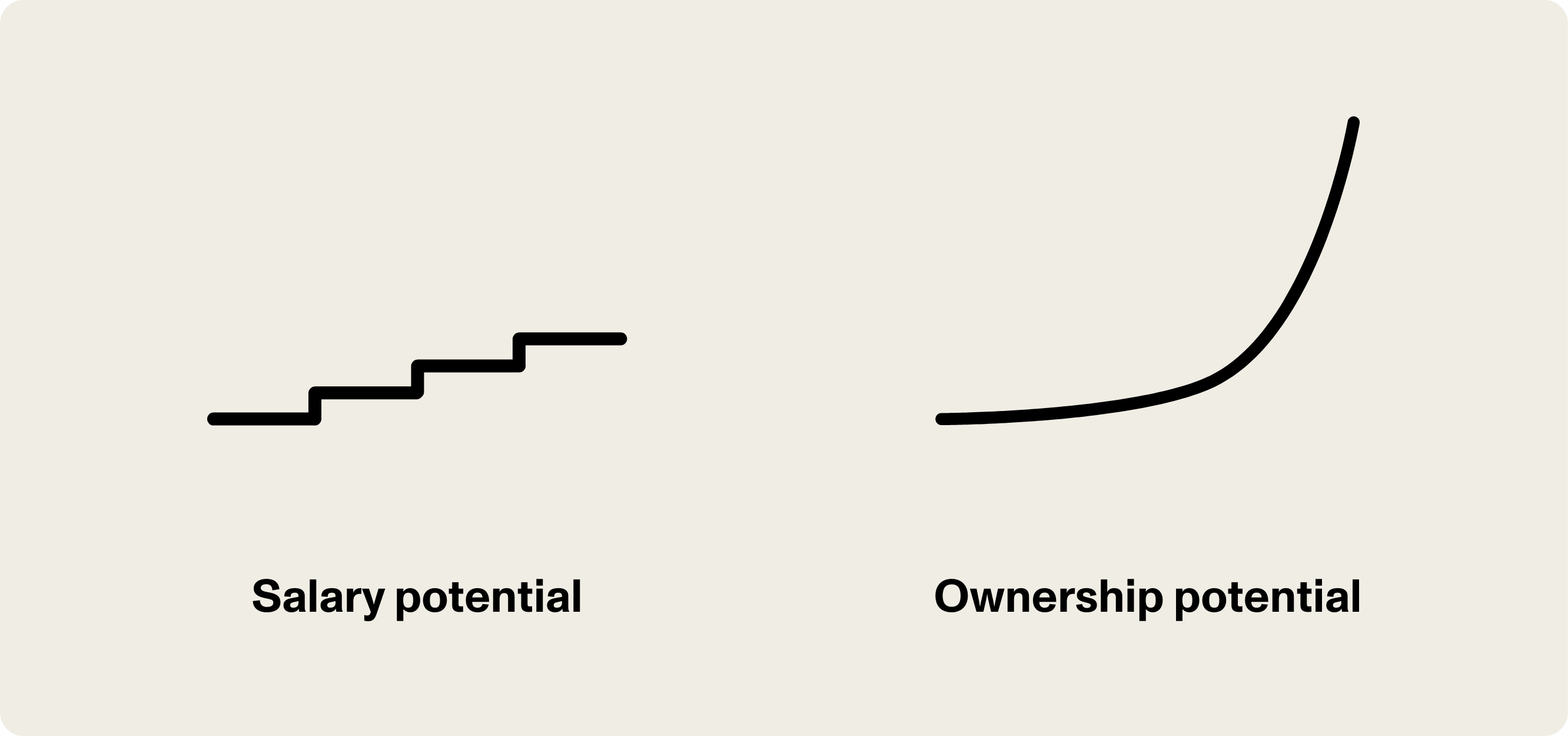
That’s why we believe so much in the importance of ownership.
Ownership enables non-linear returns. Your outcome isn't capped by hours in a day. The upside isn't predetermined. The same is true with selling.
To be clear, being good at “selling” doesn’t mean you have to be a salesperson.
Just like being “technical” doesn’t mean you have to be a coder.
It’s just a description of what you’re capable of.
Are you good at understanding what someone actually needs?
Are you good at communicating value?
Are you good at building trust?
Are you good at handling objections?
Are you good at getting someone to say yes?
That's what we mean by “sales.” It’s a capability.
For years, being “technical” was the killer capability.
Are you capable of analyzing the data?
Are you capable of creating the model?
Are you capable of writing the code?
Are you capable of building the product?
Are you capable of doing the quantitative research?
That capability made people valuable. Economically visible. Hard to replace. If you could do this stuff, you held all the cards.
It’s still very valuable to be technical, but people are starting to realize being “technical” alone won’t be enough.
For 2 decades, we told kids that coding alone was the only thing worth focusing on… Until we rug-pulled them overnight.
The reality all along was that building + selling was the killer capability.
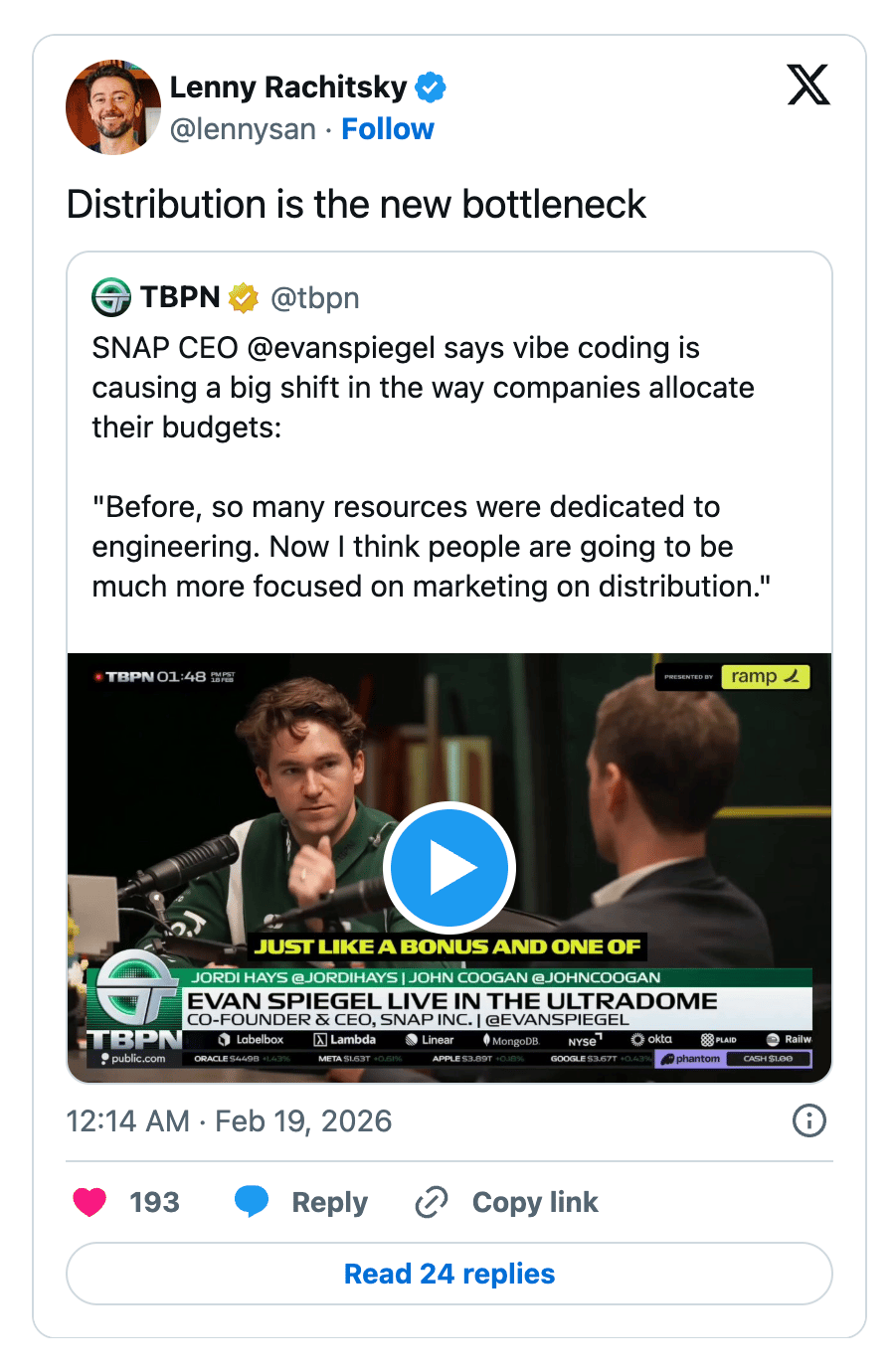
As things get automated bit by bit, the harder parts are going to be figuring out what to build, how to distribute it, and how to make money from it.
There will be less hiding behind "I did X," and more standing behind "I did X, here's why, and here's how it’s going to create value."
You can't just point to sheer output anymore. You have to show people why it matters. You have to sell it.
We built an 8-figure business on this insight
One of our foundational sales playbooks is almost embarrassingly simple.
Instead of building a product and then begging people to trust us, we built trust first.
The steps fit on a napkin:
Get someone’s email
Send them something useful/fun/cool
Don’t be annoying
Occasionally tell them about something we offer
Repeat forever
Groundbreaking stuff, we know. Point is: every email you ever send is an act of selling. And that is what took us from $0 —> 8-figure brand.
To make it all work, we run our newsletters on beehiiv.
Fun fact: we actually invested in the company. We saw what the team was cooking up, knew we’d end up being customers, wrote a check, then migrated our entire list over.
Turns out our thesis was right because what beehiiv is doing is kind of absurd.
Want to monetize from day one? They’ll bring you ad deals.
No one knows you exist yet? Their recommendation network fixes that.
Need a sexy website for all your content and digital products? Only takes minutes.
Want to automate the entire thing and personalize it at scale? Done.
And the team. THE TEAM. These people are animals. Doesn’t matter if you’re a solo creator, a small business, or a major publisher.
You’ll often see Tyler (the CEO) responding to customer feedback at hours that suggest he either doesn't sleep or is actually 2 people in a trench coat.
Anyway, the beehiiv folks wanted to hook our readers up and give you something useful.
If you've been sitting on a newsletter idea, or your current newsletter setup makes you want to karate chop your laptop in half, go to: beehiiv.com/codie, and use code CODIE30 for 30% off for 3 months.
By the way… that’s the entire point.
Beehiiv selling us on their vision. Us selling them on an investment. Open rates, click rates. You trusting us enough to read the part where we obviously plug something (but make it interesting)… It’s all sales at the end of the day.
And it’s only going to get more critical that you learn how to do it.
What to actually do about this in your life
We're massively biased, but here's a 3-step guide we'd recommend you start with:
1. Build distribution channels now
Not once you have something to sell. Today. Your newsletter, your network, your reputation. These take years. Products now take days. Do the math.
2. Study up on fundamentals
The whole stack. Understanding psychology. Building trust. Communicating value. Reading the room. Handling objections. Get good at phone calls, at handshakes, at walking into rooms and making people want to work with you.
3. Learn dealmaking and build ownership
Buying a business is sales all the way down.
Simply learning how to do it will make you more effective at your job because you’ll understand how value gets created and captured, how businesses actually make money, what owners really care about, and how to spot opportunities everyone else misses.
The gap between people who can sell and people who can't is getting wider every day. Most people still don't see it.
It’s time to pick which side you want to be on.
-Team Contrarian
The information contained here is educational, may not be typical, and does not guarantee returns. Background, education, effort, and application will affect your experience and the profitability of any business. Individual results may vary.















.svg)


