You're not stuck, you're just alone at the top. Most entrepreneurs hit a ceiling, not because the opportunity isn't there, but because you're solving $10M problems with $1M strategies.
How He Grew a 30-Year-Old Concrete Business While Stepping Out of the Day-to-Day
January 14, 2026
12 min read
START HERE
“The business was running. But everything was in their heads. There weren’t systems. There wasn’t documentation.”
Today, we’re diving into an impressive 6-figure concrete business acquisition and growth story.
1 really cool thing: The owner, Erik, has scaled the business while working a full-time job, and managed to cut his active involvement down to about 5 hours a week.
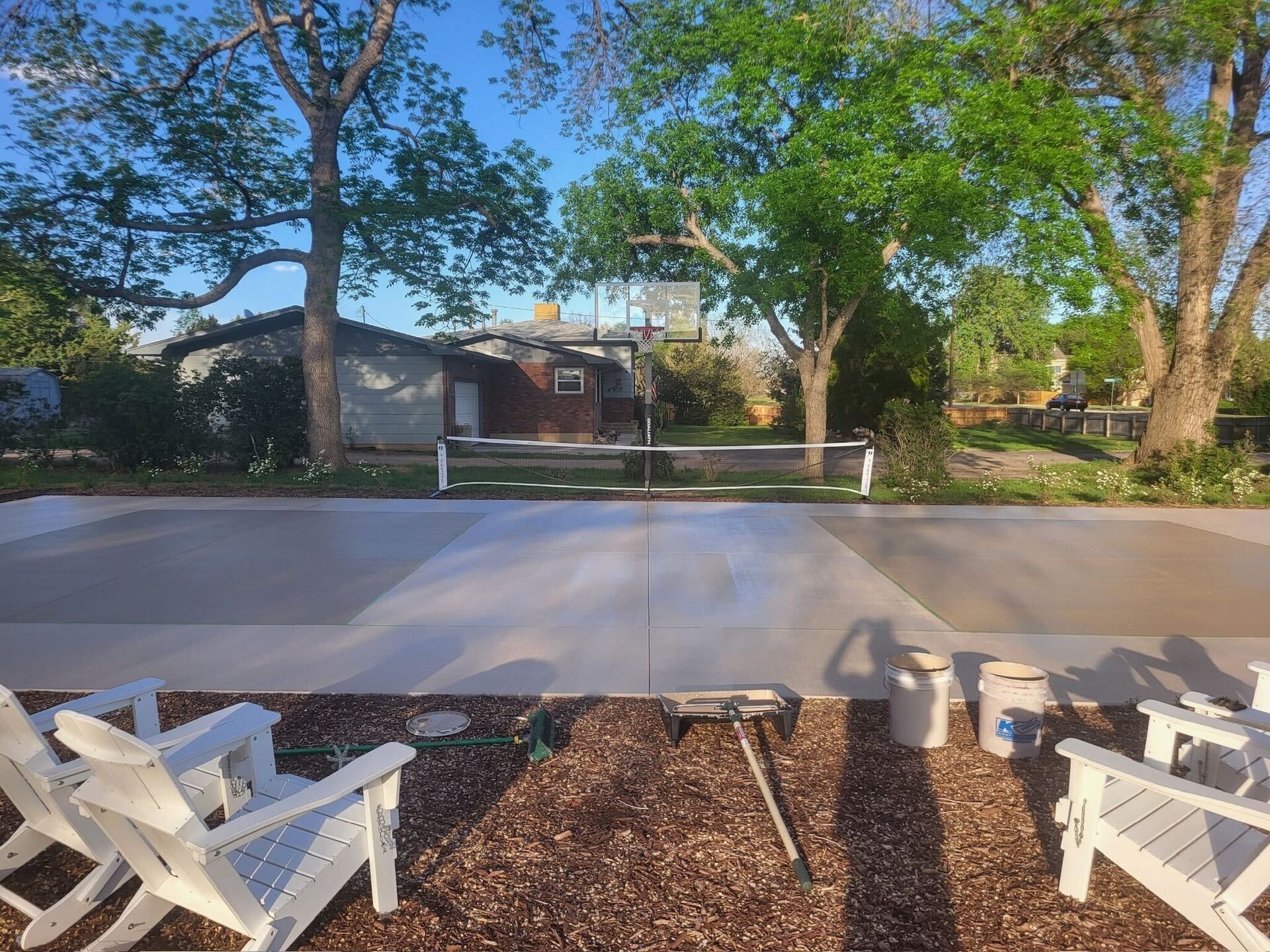
In 2023, Erik Swift went from learning the basics of acquisitions to buying a concrete restoration, repair, and replacement business that had been largely unchanged since the 1990s.
There was no polished transition plan, no modern infrastructure, and no growth playbook waiting on the other side. Just a real business, a small team, and a lot of decisions to make once the deal closed.
Impressively, Erik didn’t quit his W-2 job as a general contractor to do this. He stepped into an owner-operator role and spent time deep in the day-to-day:
Replacing the former owners by taking over 100% of estimating and bookkeeping
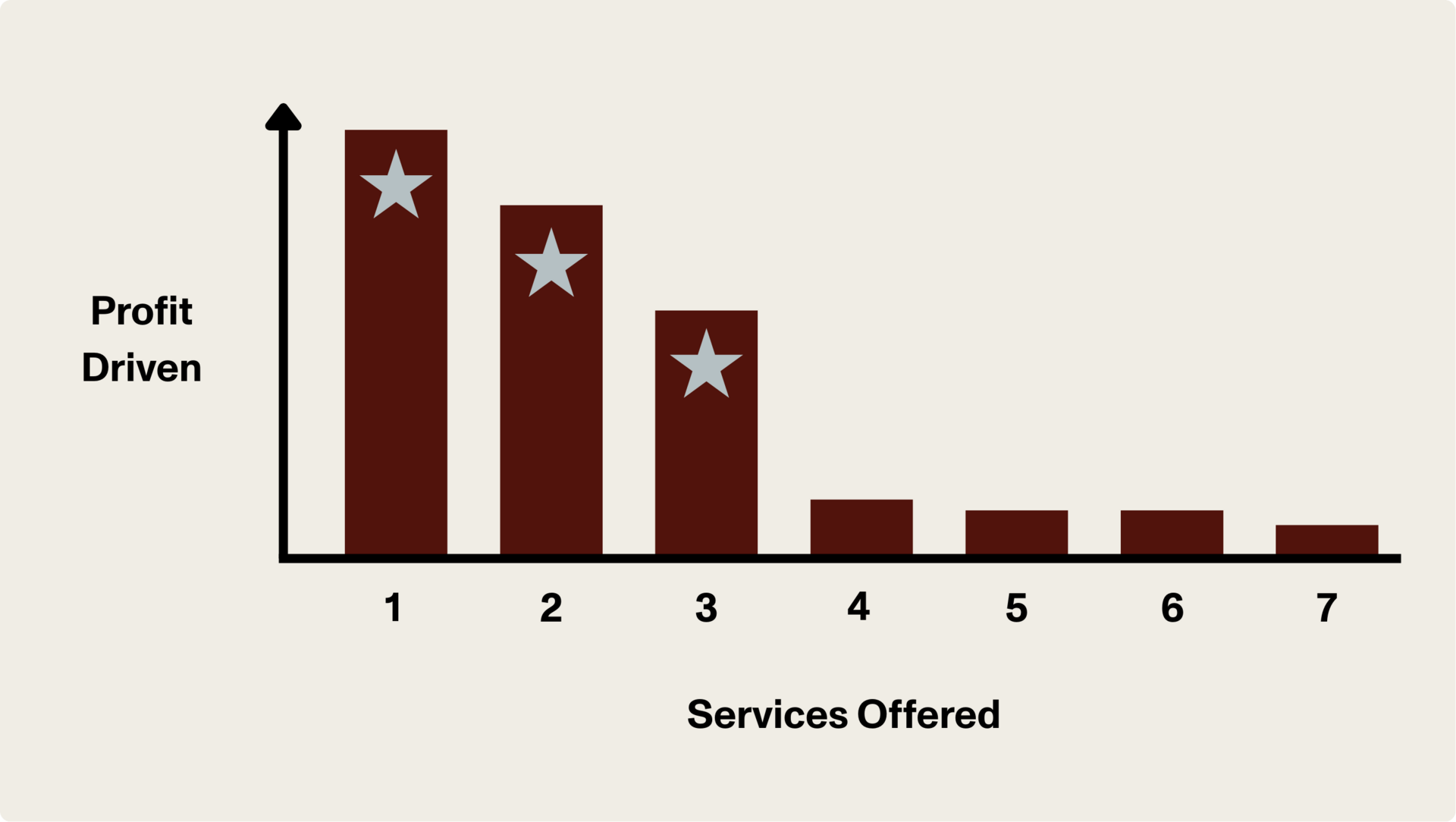
Cutting the service offering by roughly 50% to focus on higher-value work
Raising prices by approximately 40%, driving up service quality and margins
Rebuilding all core processes and SOPs from scratch
Hiring, losing, and replacing day-to-day leadership
Reducing active owner involvement to roughly ~5 hours per week
This is the story of how he got there, and what the process can teach anyone trying to buy or build a business in 2026.
Here’s what you’ll get out of today’s newsletter:
Now let’s dive in…
REMINDER
Why a “Legacy Business” Is Often Hard to Take Over
Erik’s career has revolved around project management, construction operations, and software, comprising a major part of his Zone of Genius.
When he acquired this business, those skills transferred immediately.
Erik bought a business that worked, but that was about it.
It had been around for decades. It had customers. It had a modest local reputation. And it had barely changed in years.
That all turned out to be both the opportunity and the problem.
“The business was running,” as Erik put it. “But everything was in their heads. There weren’t systems. There wasn’t documentation.”
You can’t easily delegate what you don’t yet understand, and that’s why Erik’s first real decision wasn’t about growth, but about learning.
“I was working a lot last year, but I wanted to do that so I could learn the business.”
Erik took over estimating. Overseeing job sites. Managing the team. He reviewed the books, materials, and timelines himself. “That’s where automation and software and all that stuff came in,” Erik told us.
That first year helped Erik replace the former owners in practice, not just on paper. He then used those lessons to drive new growth.
Here’s how he did it.
STEP 1
The First Lever: Focus
When Erik stepped into the business, it offered a wide array of services. Too wide, if you ask him.
Some were operationally messy. Some pulled attention away from the work that drove the most profit. So he cut the menu.
“They used to do self-leveling concrete, concrete cutting, drains. I wanted to focus on higher margin items,” Erik explained.
He removed roughly half of their scope of work from active focus. The goal wasn’t to shrink the business. It was to concentrate effort where it mattered most and scale those segments up.
This had 3 effects:
Crews got better at fewer things.
Jobs became easier to price and schedule.
Quality became more consistent.
Fewer offerings meant fewer edge cases.
Fewer edge cases meant fewer mistakes.
And fewer mistakes meant fewer callbacks, fewer refunds, and, over time, less daily owner involvement.
STEP 2
The Second Lever: Pricing
Once the service mix was simplified, pricing came next.
Erik raised prices by roughly 40%.
This wasn’t about squeezing customers. Aside from better margins, higher prices allowed for better materials and higher-quality work. That mattered, because early on, mistakes were costly.
Some jobs had to be redone entirely. Not patched. Not discounted. Fully redone.
Those decisions hurt. But they paid off in reputation.
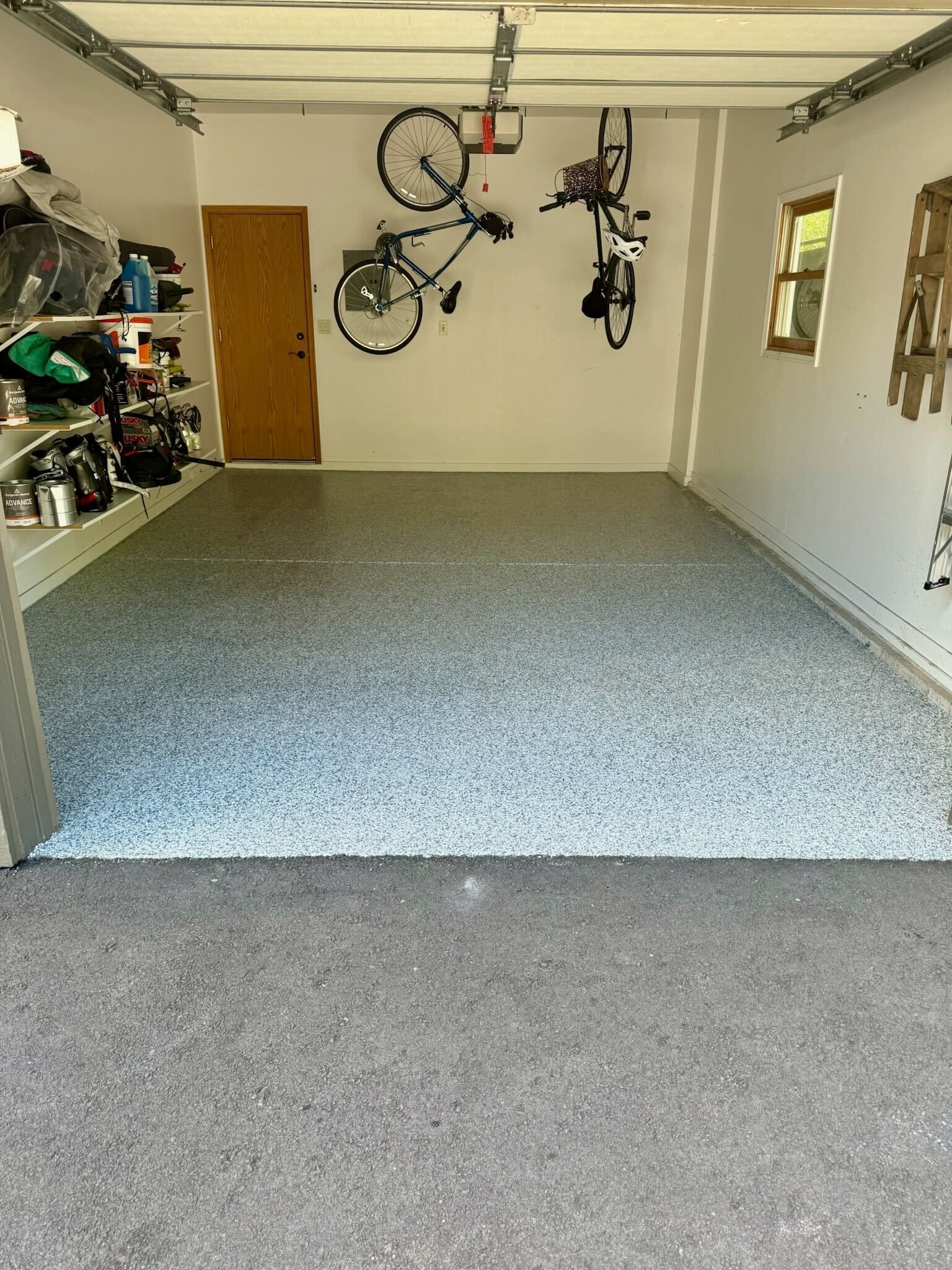
“I try to think of every customer as the first and the last. The first year, we messed up probably 3 or 4 epoxy floors, and we could have gone back and touched them up. But I took it as an opportunity: grind it all off and redo the whole thing. I lost some money on those. But you find out pretty quick that once customers see you doing that, they become your biggest advocate and you’re gonna have the best word of mouth from them.”
Reviews followed. Referrals increased. The business began attracting the kind of work Erik actually wanted more of.
“When I took it over, I think we had 20 reviews on Google. We’re now up to 85 at 4.9 stars. We really hammered on that.”
STEP 3
The Third Lever: Systems
Before Erik owned the business, it was largely paper-based.
Knowledge was tribal.
There were no real SOPs, standardized workflows, or clear decision rights.
“So, with my software background, I was like, ‘Let’s see if I can digitize and automate a bunch of these processes,’” as Erik put it.
He rebuilt the basics from scratch:
How estimates were created
How jobs were scheduled
How materials were ordered
How invoices were tracked
How decisions were made when problems came up
Erik focused intently on empowering his team to make decisions without his constant “interpretation.”
“I try to empower the people who I hire to make the decisions. If there’s a tool that they can buy for $100 or less, they don’t have to ask me. Just go do it.”
KEY FACTOR
1 Particularly Hard Part: Talent
Focus and systems are hard to nail. People are often harder.
Building day-to-day leadership inside the business was not a straight line.
Erik’s first attempt at hiring an operator didn’t stick. He brought someone on in June, only for them to leave him, as he put it, “high and dry the day before Thanksgiving.”
The timing couldn’t have been worse.
When that happened, Erik had to step back in immediately. Even though he typically spends only a few hours a week on the business, turnover changed the equation fast.
“All the sh*t hit the fan,” he said, describing the scramble to keep jobs moving, bills paid, and customers taken care of.
But Erik doesn’t frame it as a mistake he should have avoided.
“You gotta mess up sometimes. You have to. Someone could tell me, ‘don’t hire that person,’ but until you actually go through it and hire someone that didn’t work out, you don’t really understand why.”
His second attempt appears to be much more effective.
Erik recently brought on a true general manager with deep industry experience. She runs her own company, brings specialized service capabilities and networks, and operates with clearly defined responsibilities.
By documenting his processes first and then finding a more synergistic leader, Erik has moved the business to a state of real operational autonomy.
KEY LESSONS
What “Stepping Back” Actually Looks Like
Today, Erik spends roughly five hours a week on the business. Some weeks it’s less. Some weeks it’s more. It depends on seasonality and whether he’s training someone new.
That outcome is rare, and it’s the result of:
Doing the work early
Simplifying before scaling
Using pricing to drive simplicity and quality
Building systems before delegating
Hiring good leadership with real authority
Most of that time is backend oversight: payroll, taxes, the books, and keeping an eye on the business’s online reputation.
The shift hasn’t been easy for him.
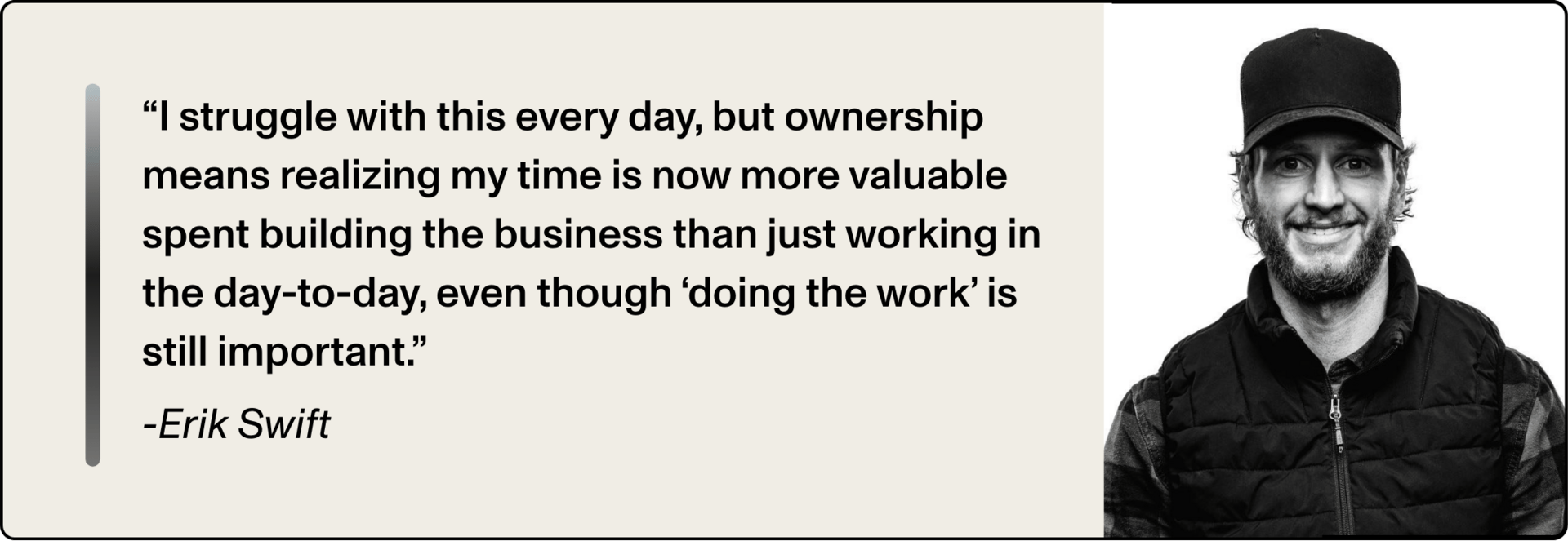
“Taking over the business, then going from being in the day to day to hiring someone to do the day to day… That’s something I struggle with every day. But I know my time is now more valuable building the business than actually pushing the broom. Don’t get me wrong, you still have to push the broom and show the guys that you’re willing to do the work. There are some days I would rather just be in a skid steer or pushing a broom with headphones on. But my skill set is now centered around lifting people up, operations, and project management.”
3 Things He Wants Other Builders to Know
1. Accept the Weight of Responsibility
Ownership comes with a different kind of stress. “When you’re responsible for other people’s livelihood and their families, it’s different,” as Erik put it.
You don’t escape responsibility by owning a business. You amplify it.
2. Treat Your Body Like an Asset
Erik believes owners “need to be going to the gym and getting outside.”
Taking care of himself puts him in a better headspace to solve problems, manage employees, and handle customers.
One habit he relies on is a 45-minute walk during the workday, which he says helps him process things better than he can sitting at a desk.
3. Stop Being “Busy”
Erik doesn’t like the word busy.
The real question, he says, is “What did you actually do to move your day forward or move your company forward?”
There’s a big difference between motion and progress. Activity is easy, he says. Impact is harder.
Especially as you step back from the day-to-day, the work that matters is the work that drives outcomes.
NEXT STEPS
Building Something That Outlasts the Builder
One of Erik’s clearest signals of how his thinking shifted after the acquisition showed up in a small, deliberate decision.
When he first took over the business, he added an About Me page to the website. He thought customers would relate to the new owner and that it would help build trust.
Then he changed his mind.
“I deleted it because what I wanted to build was a company that’s not focused on me.”
That choice reflects how Erik thinks about ownership. About building a business that stands on its own.
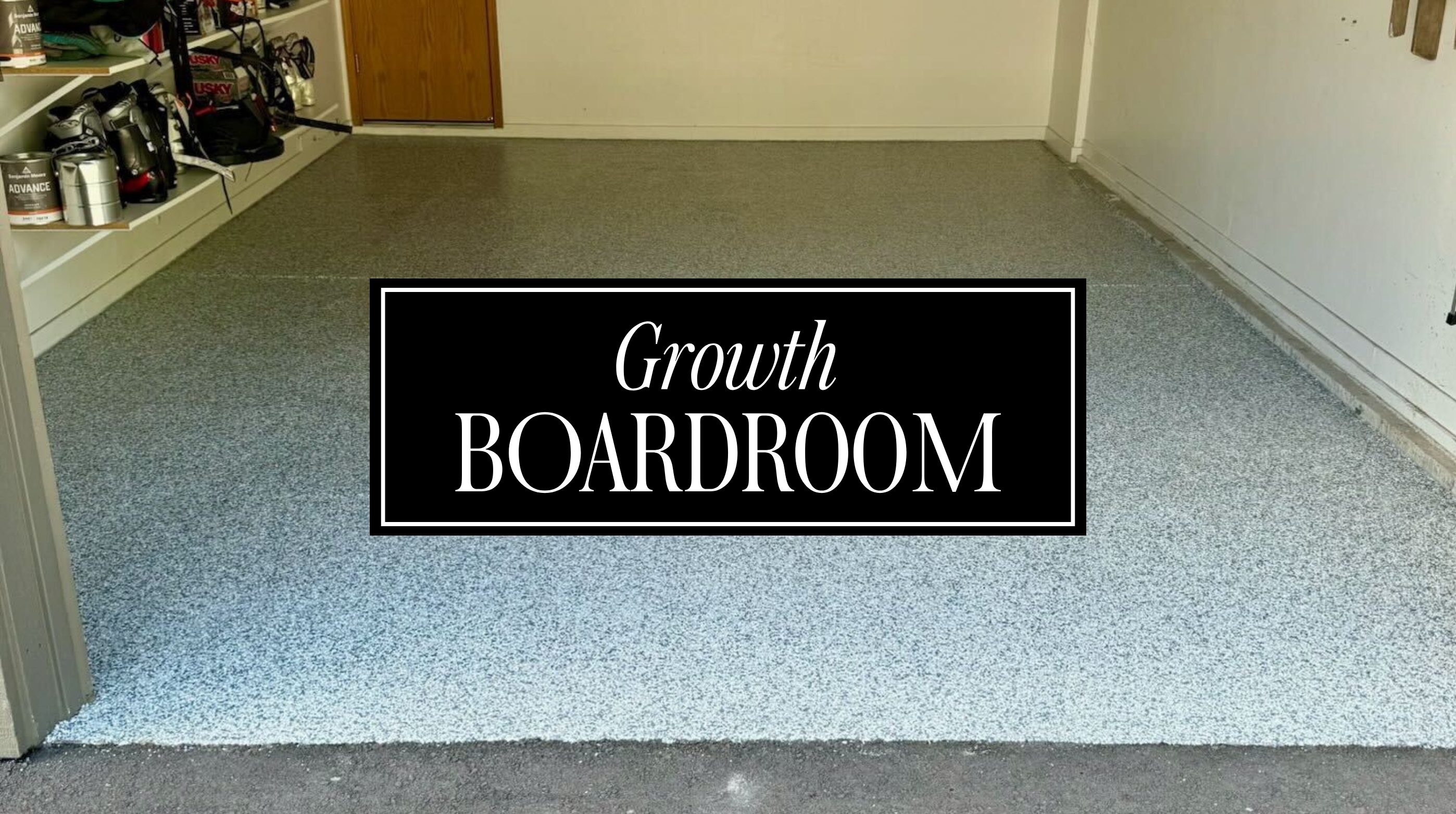
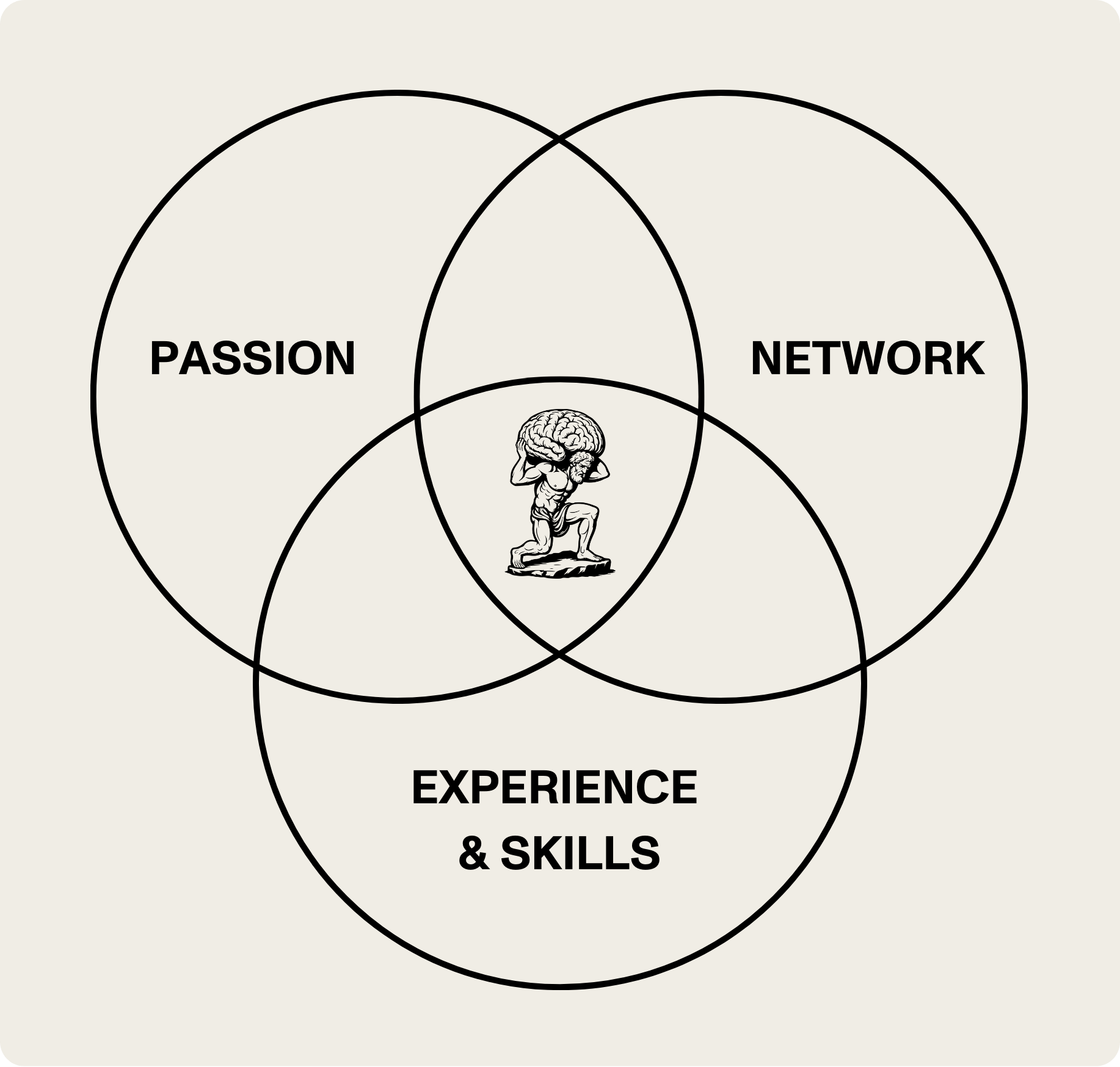
It also reflects why he sought out the Growth Boardroom in the first place.
“I joined because I don’t always love being a business owner. It’s very lonely. You’re not just hanging out with a bunch of business owners.”
For Erik, the Boardroom is a place to think clearly about what comes next:
How to strengthen systems and measure his business’s health.
How to eventually layer in marketing, something the business hasn’t relied on to date.
And how to position the company so it’s not just operable, but sellable down the line if that’s the path he chooses.
These aren’t tactical problems with obvious answers.
They’re major judgment calls, and they’re hard to think through alone. They benefit from perspective, pattern recognition, and conversations with expert builders.
That’s how you build something that lasts.
Want to join thousands of smart business builders and buyers?
The information contained here is educational, may not be typical, and does not guarantee returns. Background, education, effort, and application will affect your experience and the profitability of any business. Individual results may vary.










.png)




.svg)


