You're not stuck, you're just alone at the top. Most entrepreneurs hit a ceiling, not because the opportunity isn't there, but because you're solving $10M problems with $1M strategies.
How He Quietly Scaled This Niche Certification Business to 7 Figures (And Beyond)
December 23, 2025
8 min read
START HERE
From $140K to $1.6M
Some of the greatest career paths are rarely straight lines.
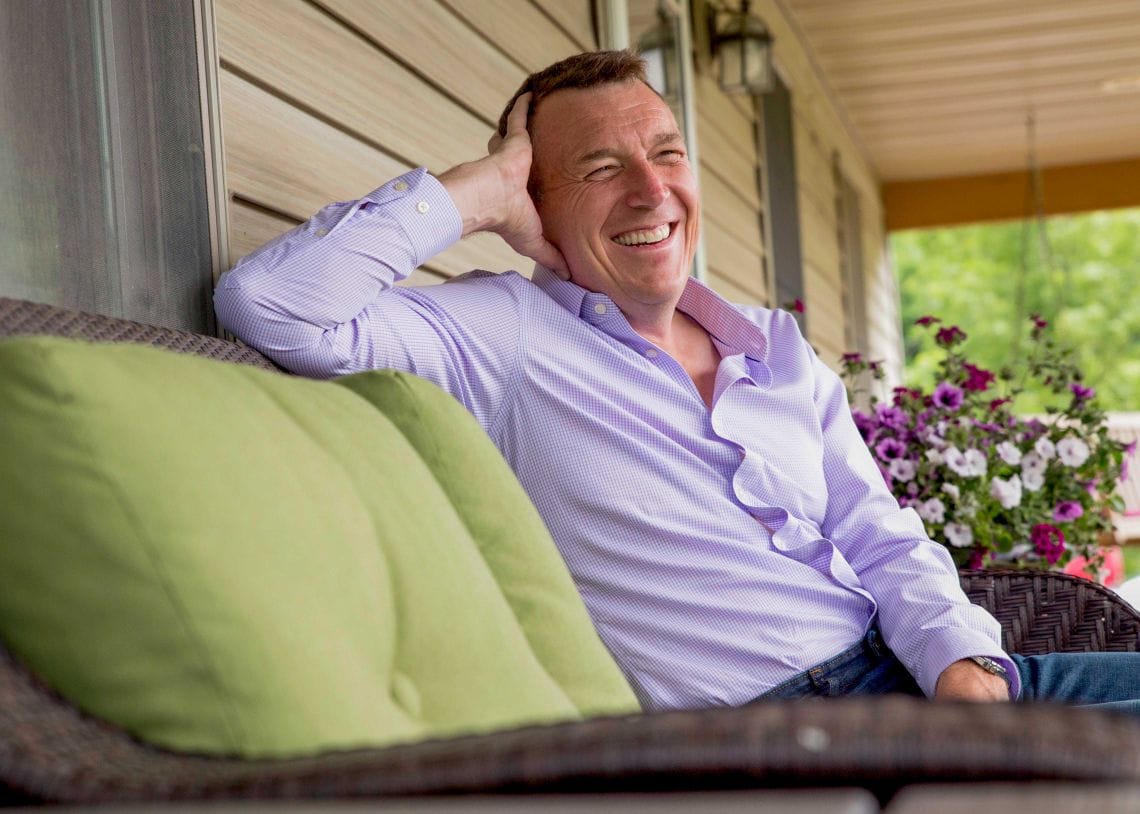
Dave Ausdemore is a prime example.
After college, Dave joined the Army National Guard and later spent about eight years on active duty in the Air Force, focused on preventive medicine.
From there, he moved into the civilian side of government, spending 14 years at the Centers for Disease Control.
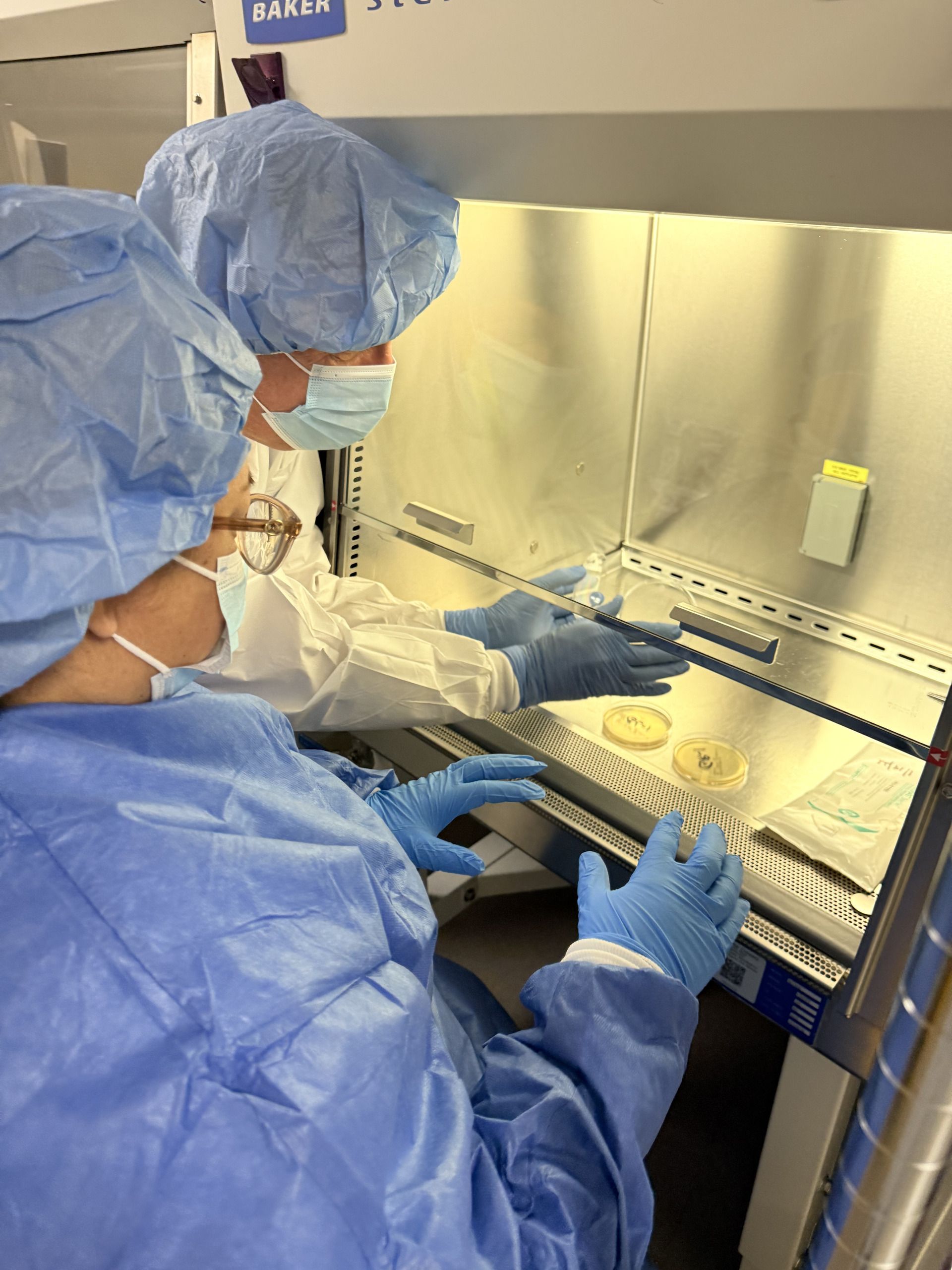
That work took him deep inside laboratories and healthcare facilities across the country, from Alaska to Puerto Rico.
“I received a lot of wonderful technical experience, leadership experience, an understanding of how large organizations work, and probably more importantly, how the government procurement system works.”
In 2011, Dave retired from government service.
“I knew I wanted to work for myself. I knew I wanted to lead that ship, make the decisions, and reap the rewards. I didn’t have much of a plan. I knew I had skill sets that could be valuable, but I didn’t really know where to market them.”
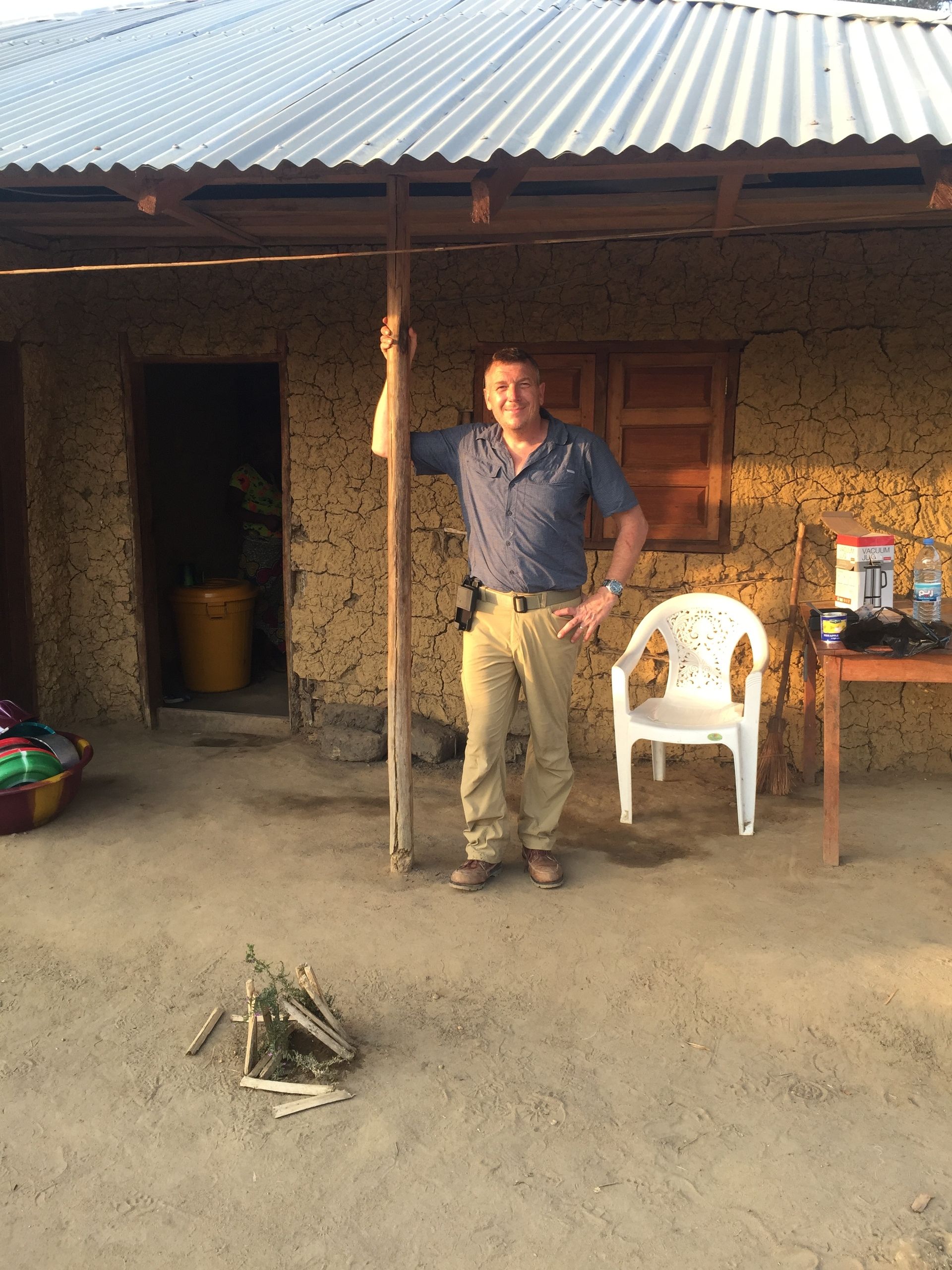
What came next was still not a straight line into business ownership. Dave took an assignment running a 200-person NGO supporting CDC work during the Ebola crisis.
He also began experimenting entrepreneurially.
He tried shipping groceries into Liberia.
He pursued a fiber optics project tied to a World Bank plan.
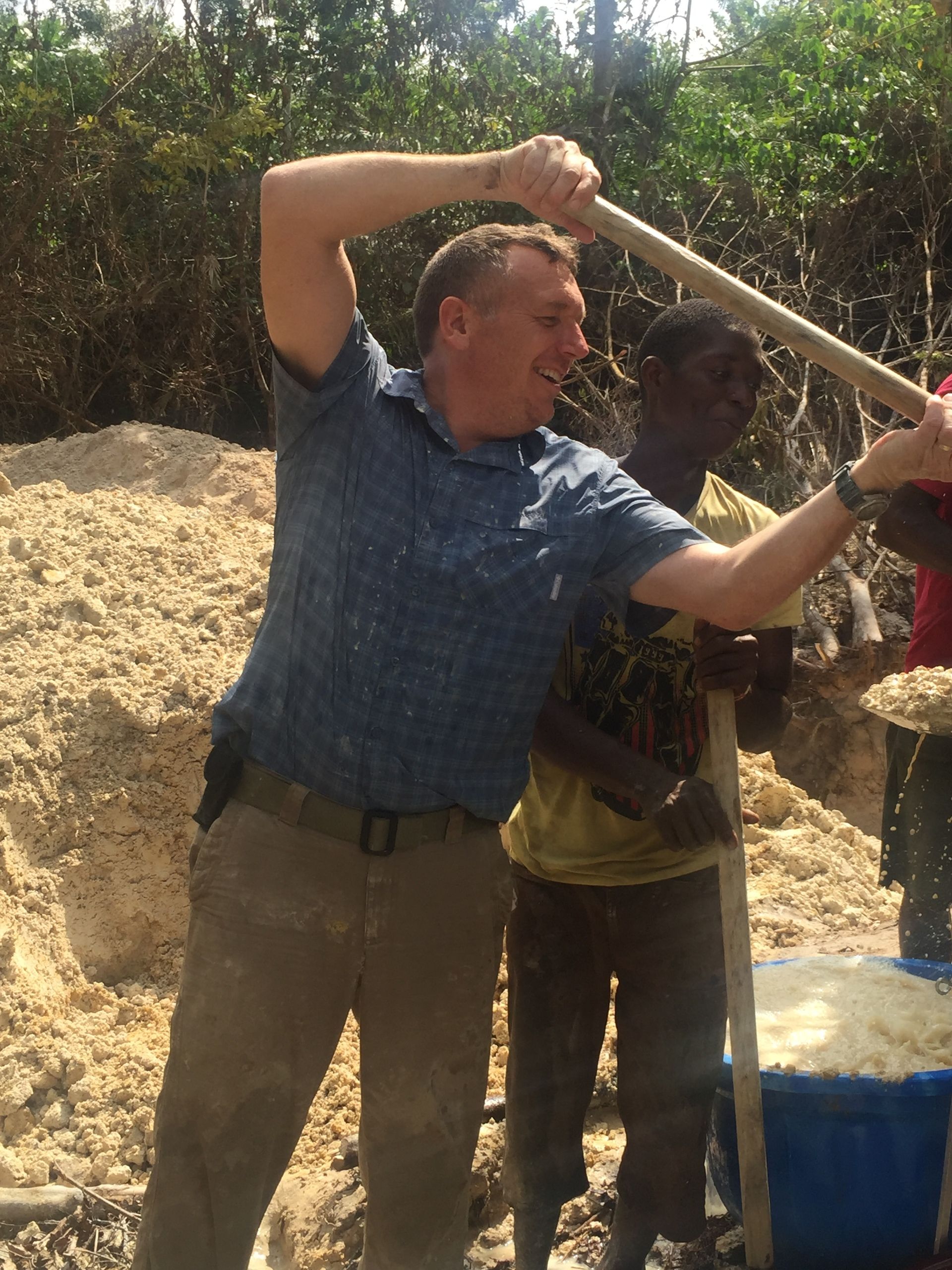
He spent a month prospecting for diamonds in the Liberian bush.
Some efforts stalled. Others came close. All of them forced him to make decisions without complete information and work through the consequences.
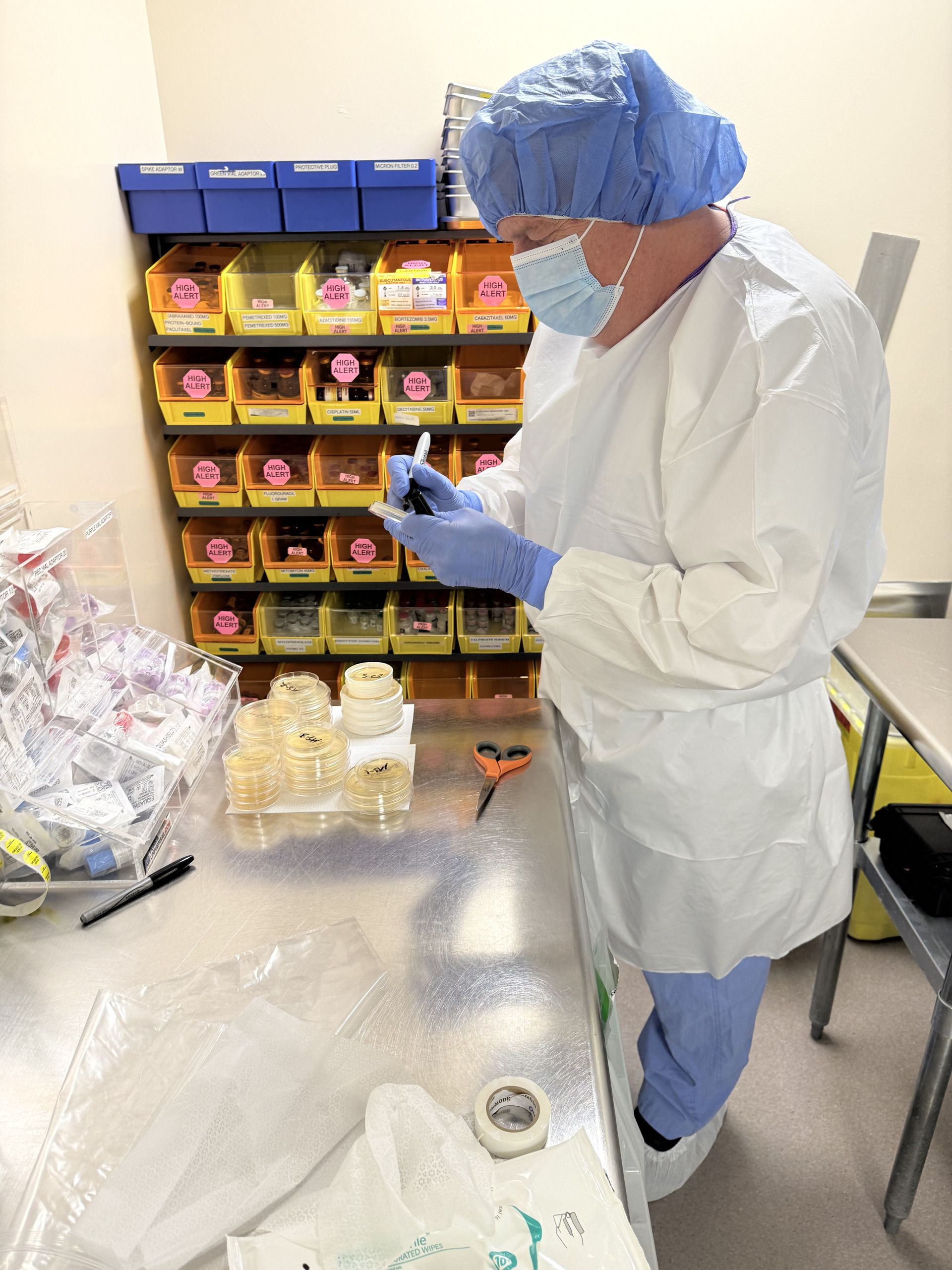
Eventually, Dave found traction in a narrow, technical niche: delivering certified testing, validation, and compliance solutions for cleanrooms, healthcare, manufacturing, laboratories, and other critical spaces across the built environment.
“When I started doing this work, I really didn’t know what I was doing.”
But because of his background, he knew enough.
In 2022, revenue from this new business hit approximately $140,000. In 2023, the business generated about $800,000. In 2024, revenue climbed to roughly $1.4 million. This year, he expects to finish at approximately $1.6 million.
Next year, he’s aiming higher. “I’m shooting for the four million dollar mark,” Dave said. “I think we probably even surpass it.” Long-term, he believes he can reasonably reach $10 million in revenue within three years.
Dave’s impressive journey reveals a clear progression that many SMB operators will recognize, even if they haven’t named it yet:
1. Forge asymmetric expertise: Amass unique skills in non-traditional arenas.
2. Execute with imperfect information: Act decisively and navigate initial uncertainty.
3. Survive the inevitable breakdowns: Transform professional and personal adversity into a catalyst for growth.
4. Architect for scale: Transition from founder-operator to founder-architect.
5. Amplify through community: Leverage a peer network and advisors as strategic assets.
Each of these stages shows up clearly in Dave’s work, his scars, and his decisions.
Let’s dive into the specifics…
LESSON 1
You Can’t Win If You Don’t Play
Dave didn’t enter his niche with confidence. His first few projects were rough. He describes them as “stumbling” through the work. What mattered was not polish, but completion.
“I didn’t really know what I was doing… but I figured it out, I got through it. I was able to provide that deliverable, and then I saw other opportunities.”
At first, he landed a government contract. That single act created a chain reaction.
“I was able to provide that deliverable, and then I saw other opportunities. After you figure things out once, your scope increases and you can focus on other things.”
One completed project unlocked the next opportunity. Each delivery reduced uncertainty just enough to keep moving forward.
“I was able to stumble my way through the first few projects, start building a team, and make it happen. It certainly wasn’t an easy route.”
But it worked.
LESSON 2
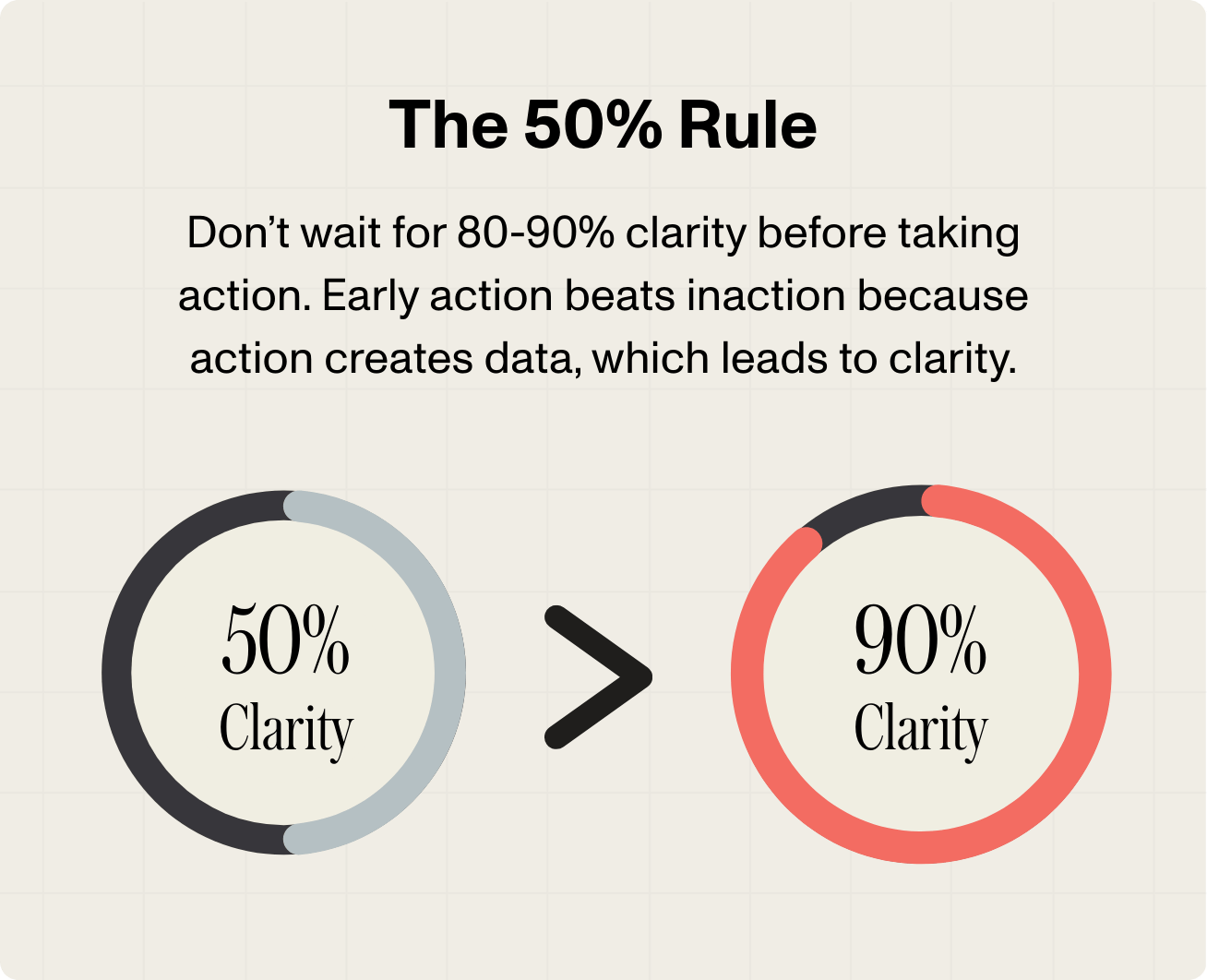
The 50% Rule: Why to Act Even if You’re Not Ready
The market usually rewards execution velocity more than theoretical readiness.
Over time, Dave developed a rule. If he understands roughly half of what needs to be done and trusts his ability to learn the rest in motion, that’s sufficient to proceed.
Waiting for 80% or 100% clarity only delays feedback and compounds opportunity cost. This rule governed the earliest days of his business.
When he started this line of work, he admits he understood almost nothing about the industry itself. What he did trust was his ability to problem-solve inside regulated environments.
“Even if you’re not 100% sure about what needs to be done or how to do it, if you’re 80% sure, that’s pretty solid. If you’re 50%, you can make it happen. When I started, I knew maybe 5% of what had to happen. Mistakes are recoverable.”
Dave is clear that the 50% Rule isn’t about being careless. It’s about understanding that most early mistakes are survivable, while indecision is a quiet risk.
Action beats inaction because action creates data. That belief changes how you move. Instead of optimizing for certainty, you optimize for forward motion. You start earlier, learn faster, and correct course while others are still preparing.
LESSON 3
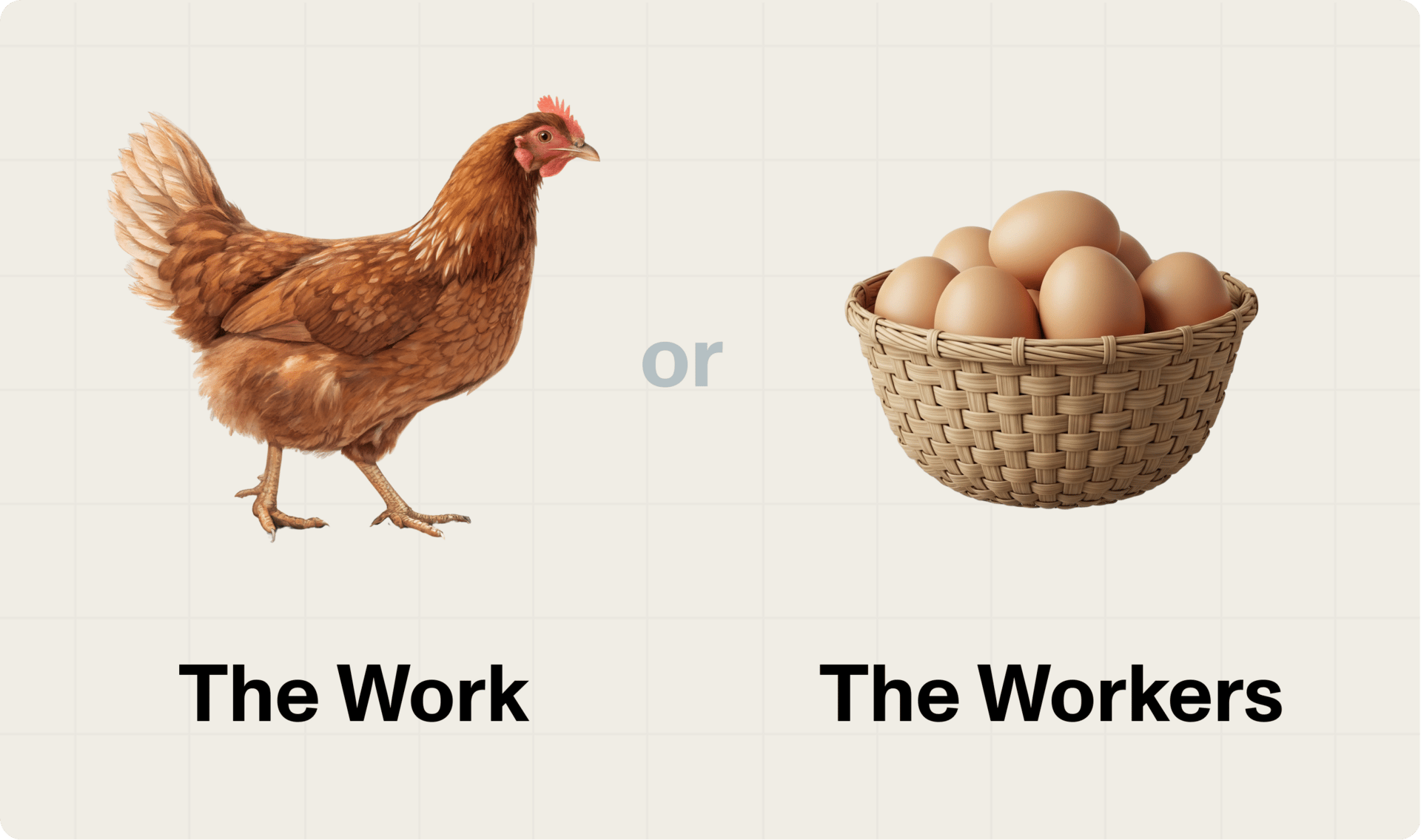
The Chicken-or-Egg Problem of Hiring
Many growing businesses hit the same bottleneck: work requires the right people, but people require the right work.
Dave ran into this early. For a while, the company was just him and one other person helping with reports. As demand increased, so did the pressure to hire. That pressure led to one of his most expensive lessons.
He hired too early, for the wrong reasons, and without qualifying people correctly. Instead of leverage, he created friction. “I call it Bloody Wednesday, where I basically fired everyone,” Dave told us.
“I hired people too early, for the wrong reasons, and for the wrong skill sets. I paid dearly for it.”
Dave adjusted by getting more deliberate. He started paying more attention to role fit and personalities. He learned where international talent made sense, and which traits were non-negotiable.
“That’s an advantage of Contrarian Thinking. If I were part of the programs when I was going through this, I would’ve been able to ask others about hiring and what things to look for.”
Get hiring wrong, and instead of helping with growth, you can slow it. Get it right, and hiring becomes a multiplier instead of a tax.
LESSON 4
Build to Pass the “Hit by a Bus” Test
After Bloody Wednesday, responsibility collapsed back onto Dave. For months, the company ran because Dave did. He kept one person who could help with reports and administrative work, but the field work still sat entirely with him.
“I’m hauling around about 200 pounds of equipment through the airport and into the sites because I’m traveling all over the country,” Dave told us. “And at the same time, I had some pretty severe health issues.”
Dave learned he was facing kidney failure, and he continued pushing through work while doctors were urging dialysis. Eventually, his wife was able to donate a kidney, a serious moment that forced everything into focus. Dave’s definition of what he was actually trying to build sharpened.
“To be an enterprise, you need to be a self-sufficient company.”
From there, priorities shifted.
On the team side, he redesigned how work scaled. Rather than relying on one certified expert, he built toward a repeatable model: certified professionals paired with apprentices, creating redundancy and a clear training pipeline.
He cycled through two CRMs, eventually implementing Microsoft Dynamics and creating a single source of truth for customers, reporting, and workflows.
This created redundancy, a training pipeline, and a clear structure built to scale. The bus test became a governing standard.
“There’s one thing about performing technical work yourself. There’s another thing about building a team, and there’s another thing about making a business a profitable, well-oiled machine. That’s where Contrarian Thinking came in.”
LESSON 5
The Right Room Changes Everything
For a long time, Dave carried the “weight” of business alone. Most people around him couldn’t relate to the risk, responsibility, or long game of ownership.
“Probably 90% of people look at you like you’re crazy. It was a relief to be among people who had the same mindset that I do… When you find another entrepreneur, they get it.”
Once Dave spent time around other operators, the conversation changed. It stopped being about whether ownership made sense and started being about how to scale it.
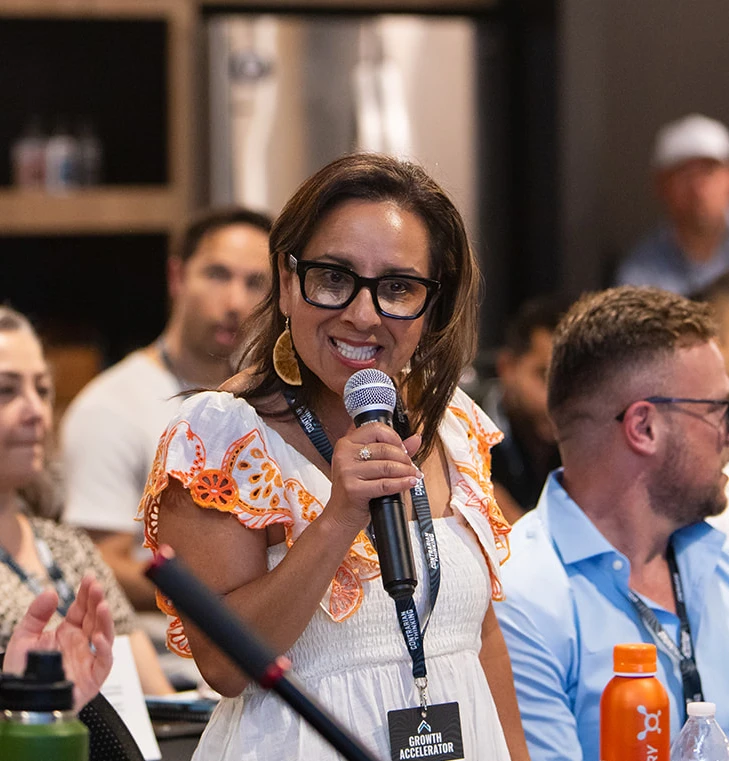
“I’ve been to the scaling workshop, Contrarian Camp, and Main Street Over Wall Street… I love networking and looking at how I can incorporate other opportunities and ideas into what I do.”
Prime example: Dave connected with Omar, another operator with deep experience in transportation. Together, they began pursuing transit-related opportunities tied to VA hospitals. Neither could have done it as effectively alone.
As of today, Dave has spent years building a solid foundation. Systems are in place. Management exists. Processes are repeatable.
“If I wanted to bring on another business line, I can more easily plug them in because I’ve got the right systems, I have the right management, I’ve got everything in place.”
For the first time, growth through acquisitions looks likely.
“I’m in a position to purchase some companies. My goal is to purchase one every quarter next year.”
Want to join thousands of smart business builders and buyers?
The information contained here is educational, may not be typical, and does not guarantee returns. Background, education, effort, and application will affect your experience and the profitability of any business. Individual results may vary.













.svg)


