You're not stuck, you're just alone at the top. Most entrepreneurs hit a ceiling, not because the opportunity isn't there, but because you're solving $10M problems with $1M strategies.
How This Veteran Bought an HVAC Business and Nearly Doubled Her Revenue in Two Years
February 5, 2026
12 min read
START HERE
"I was tired of building something that wasn't mine"
Meet Anna:
Anna has spent over a decade in service. First, as a Marine Corps intelligence analyst. Then, as a civilian contractor, learning to assess risk, stay composed under pressure, and deliver results.
After that came an MBA, during which she joined a tech startup as Chief Strategy Officer and simultaneously opened a CrossFit gym. The gym lasted about a year before a bad partnership forced her to shut it down.
The startup lasted longer, about five years, but the pandemic hit it hard. It shrank from 20 employees down to five, and Anna was one of the last ones holding on.
"I was burned out, tired of working so hard on something that wasn't technically mine. I had a little bit of equity, but it wasn't really mine."
After leaving, she spent two years as a program manager on Pittsburgh Airport construction projects, working closely with the trades. That experience stuck.
She started thinking differently about what kind of business she wanted. Not another startup. Not something she'd have to convince people they needed. Something essential.
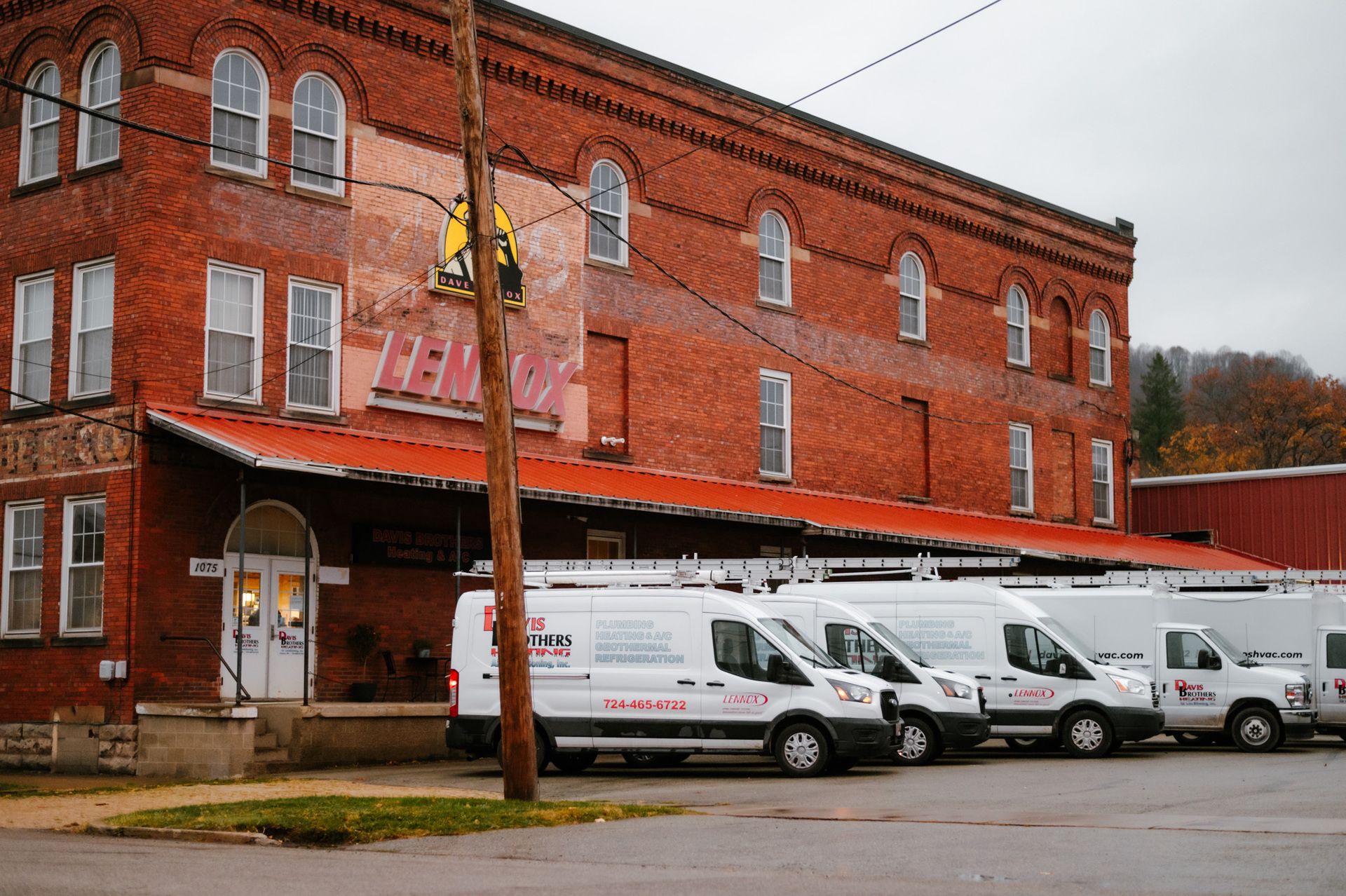
What followed was a $1.5M acquisition of a plumbing and HVAC company, its sister wholesale business, and the real estate underneath both.
After about two years, Anna:
Grew combined revenue from $2.5M to $4.7M, now growing roughly 40% YoY
Weathered an $80K fraud event and kept the business on track
Expects to hit a target of $6-7M this year and $10M within two to three years
This is the story of how she got there. And what it can teach anyone looking to buy and build in the trades.
KEY INSIGHT
1 conversation that changed her entire strategy
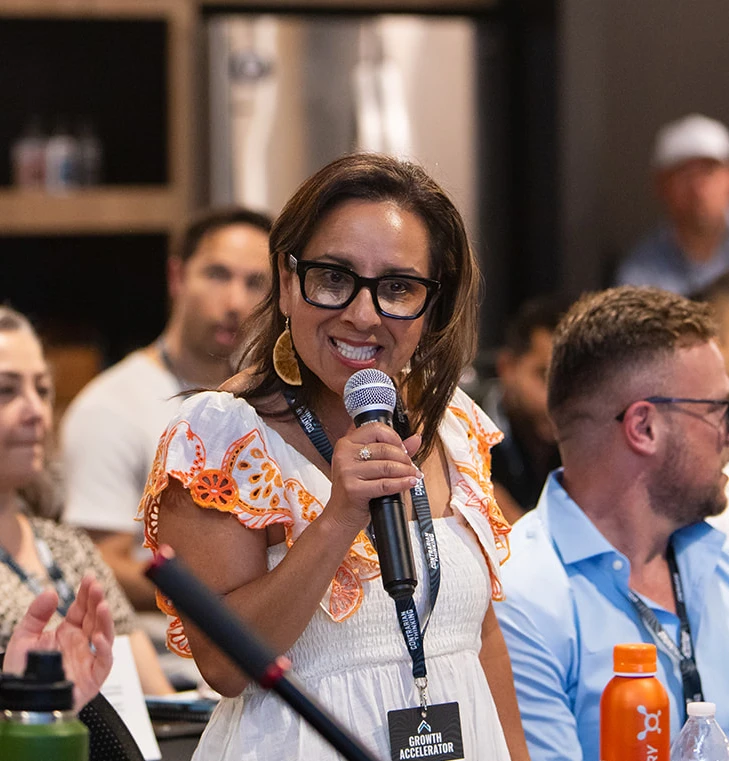
Here's what frustrated Anna. She was getting an MBA. She had years of business experience. But when her CrossFit gym fell through, neither she nor her professors knew how to value it or sell it. That gap stayed with her, and it's what eventually led her to Contrarian Academy.
"I struggled with school because what I was learning was not applicable to what I actually wanted to do. With Contrarian Thinking, I was learning something and directly applying it."
When Anna started her search, she began by thinking small. A laundromat. A car wash. Then another member in the community said something that reframed everything:
"Go bigger. You're going to do the same amount of work, and you're going to have room for the hiccups along the way." Taking that single piece of advice ended up being one of the most important decisions she made.
SIZE MATTERS
The $80K lesson: why deal size is often your safety net
About a year in, Anna's business got hit with a fraud event worth about $80K. "It was really unfortunate. It wasn't fun at all," she told us.
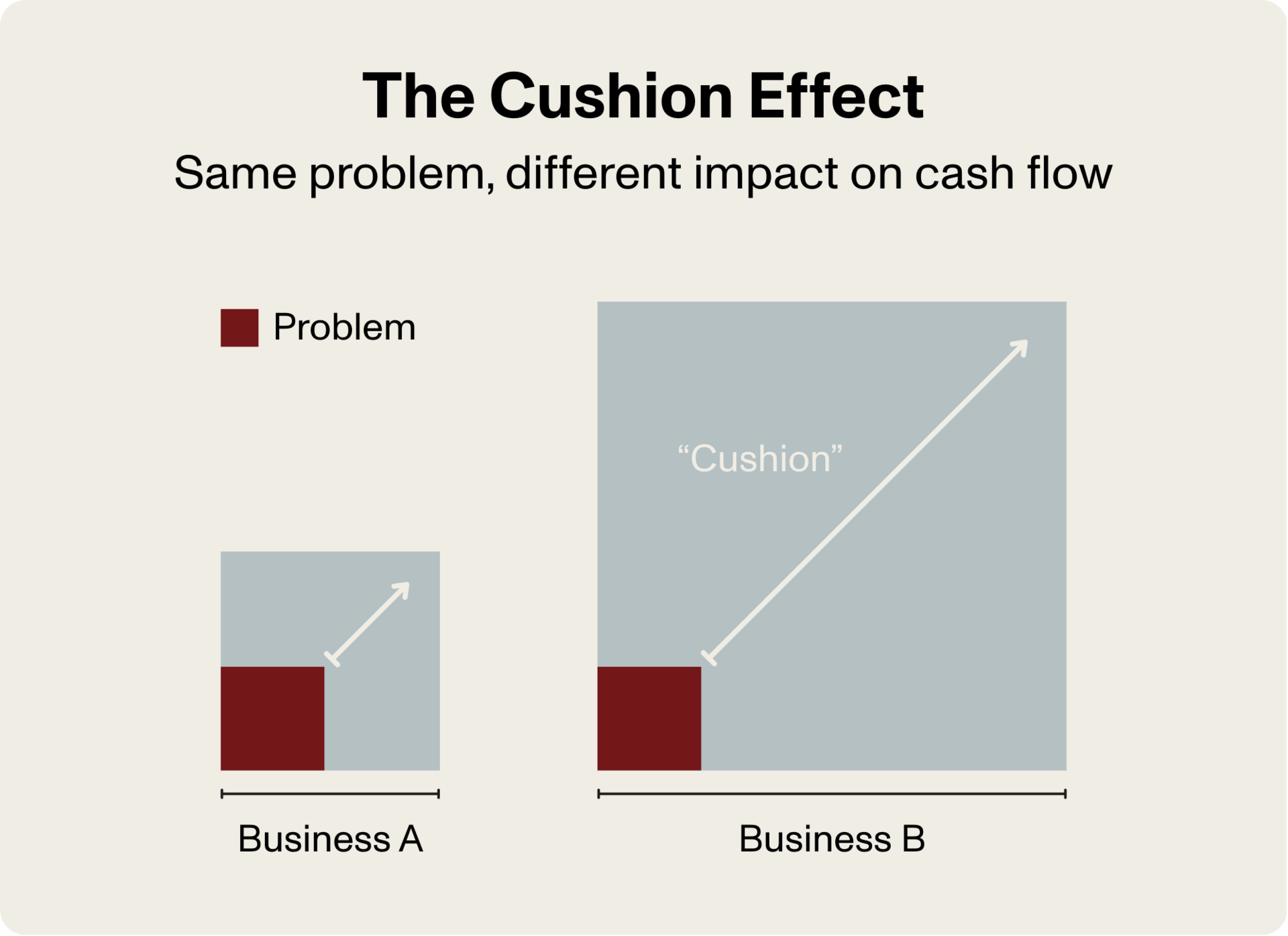
But here's the thing. The business survived. Not just survived, it kept growing. An $80K hit was painful, but not fatal. And that's entirely because of the size of the deal she went after.
"Thankfully, the company was big enough to sustain it and get through it. If the company were any smaller, it could have been significantly worse." An $80K hit on a $2.5M business is a bad period. The same hit on a $400K laundromat? That could be the end.
Business ownership has given Anna and her husband a life they'd only talked about before. A farm. Capacity to travel. The freedom to build something that's truly theirs.
But that freedom comes with a trade, she warns. "The financial sustainability of a business is squarely on your shoulders. So when there's a massive fraud event, it's going to hit you hard." In this case, the business — and Anna — just happened to be built to handle it.
KEY LEVER
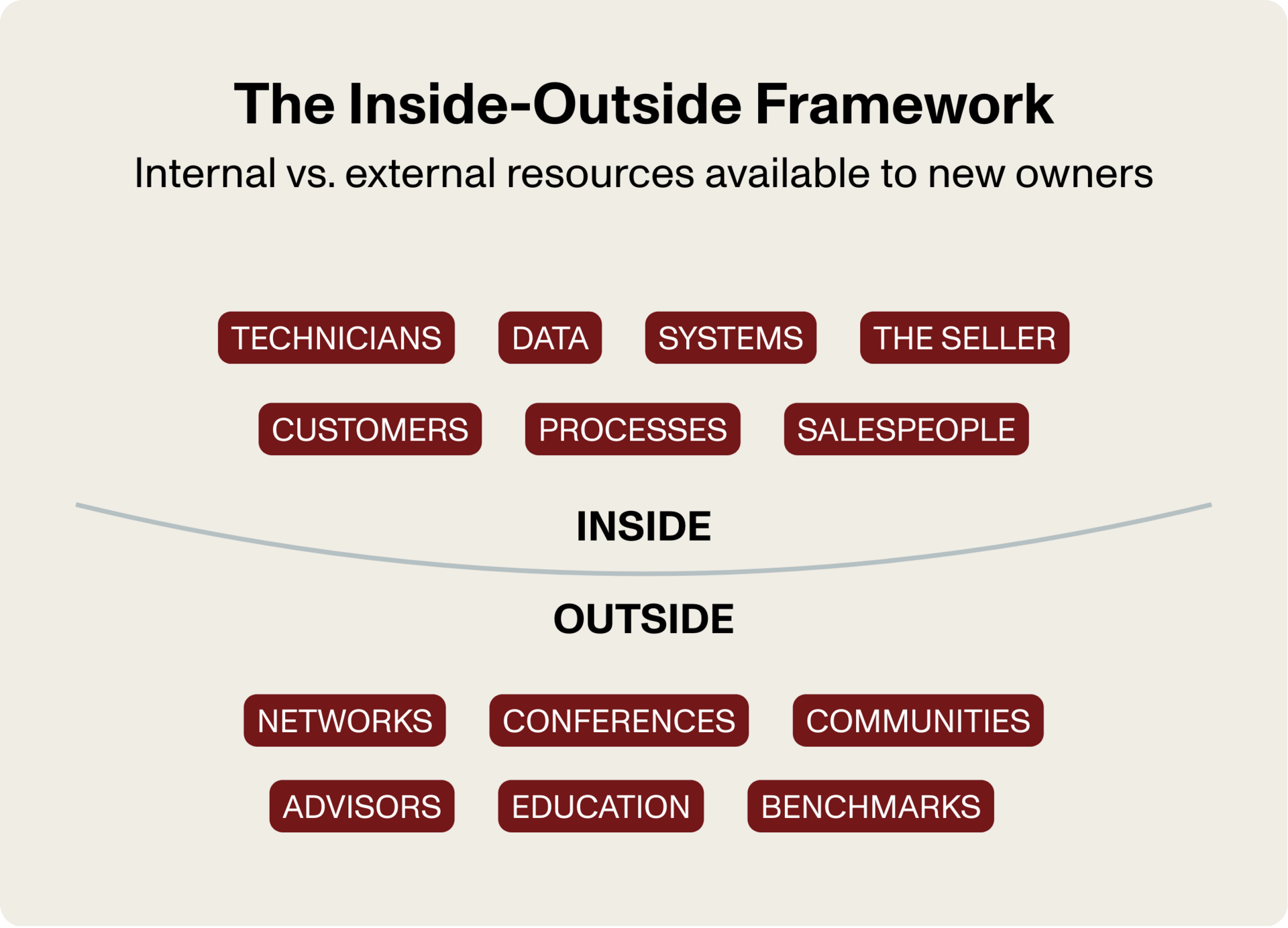
The “Inside-Outside” framework: How she runs an HVAC business without HVAC training
Anna is not an HVAC technician. She's never been one. And yet she owns and runs an HVAC business that's nearly doubled its revenue in two years. How does that actually work?
"The number one characteristic required of any entrepreneur that wants to do this is their confidence in their figure-it-out-ability."
But she'll also be the first to tell you that confidence alone isn't a strategy. Anna was smart about where she filled the gaps.
On the inside, the business already had experienced technicians, a salesperson, and a functioning operation. "If I had come in with no salesman and had to go out and do estimates not knowing anything about the industry, it would have been horrible."
On the outside, she joined an HVAC-specific network. It became a shortcut for everything she didn't know yet. Pay structures. Technician scorecards. Career development in the trades.
"It would have taken me years or decades to build that knowledge myself," she said.
The takeaway isn't that you need a background in the industry you're buying into. It's that you need to be honest about where your gaps are, and fill them.
KEY LESSONS
3 things she wishes she'd known before Day 1
Here's what Anna expected when she bought the business: Six months to get processes in place, moderately clean systems that would be simple to transition, a team that could run things, and tech that worked on day 1.
Two years in, she's only now getting there.
"It just takes a lot longer to implement processes than is often portrayed on social media," she said. Building an SOP is one thing. Training everyone on it and making sure it sticks is a whole other job.
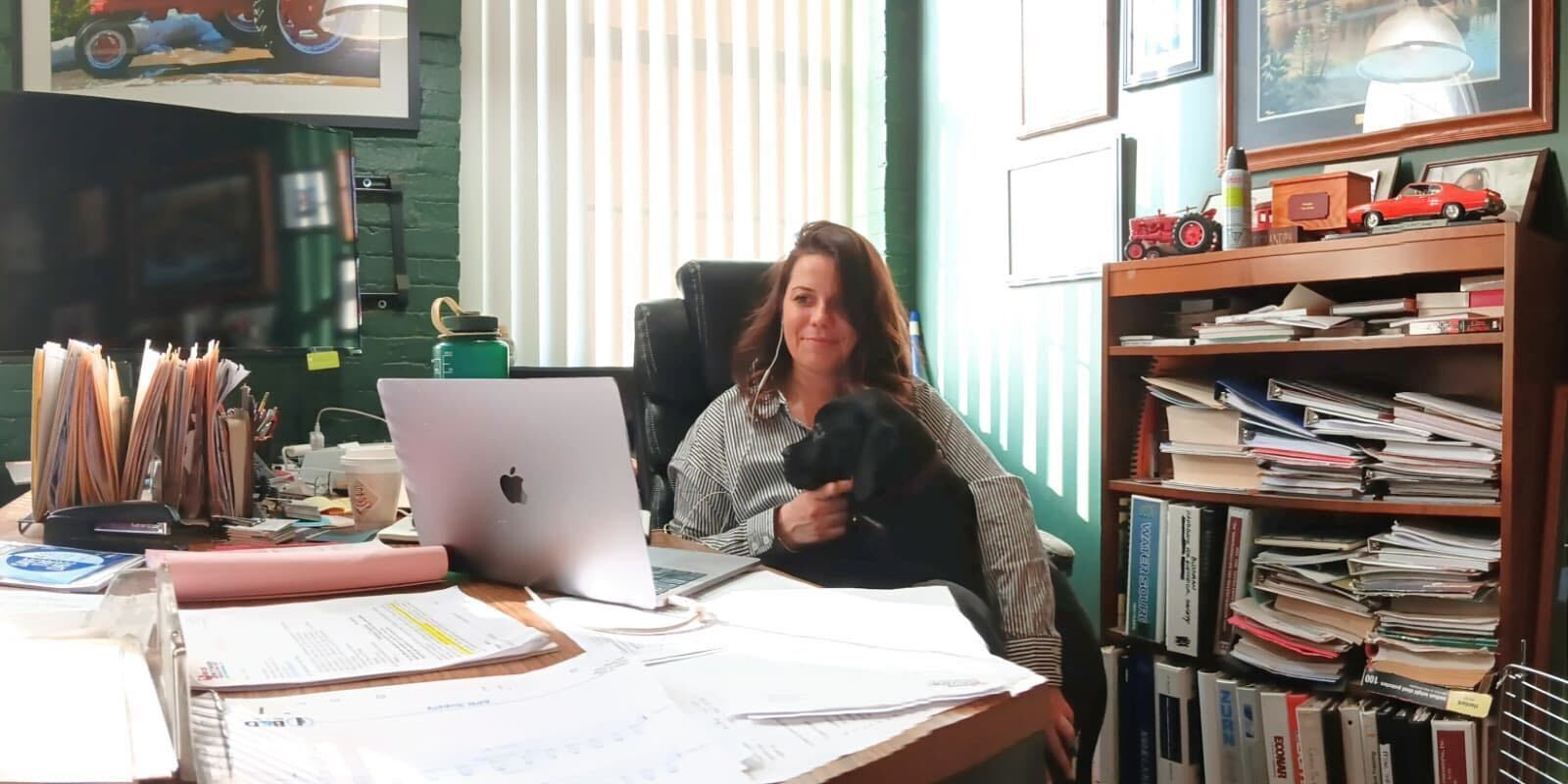
After the acquisition, at her new desk, surrounded by the previous owner’s files and documents.
The previous owners ran everything on paper. Low overhead, minimal systems. For Anna, that meant starting from scratch, and the costs added up fast. "I didn't realize my software system was going to cost $6,000 a month," she said. On top of that, she had to hire a specialist just to get it running. The lesson: when you buy a business that's been run by its owners for years, overhead is likely to go up. Plan for it.
The other thing she learned quickly: fire fast. In the trades, holding onto the wrong person feels like the safe move. It's not. "If you have a gut feeling that someone shouldn't be on the team, address it sooner than later, even if it feels like you can't afford to lose bodies right now."
WHAT'S NEXT
How she plans to hit $10M in 3 years
A $10 billion power plant is now being built right where Anna's businesses operate, with data centers expected to follow. For a plumbing and HVAC company in a small Pennsylvania town, that's a potentially massive influx of work.
"The biggest challenge this year is figuring out how to capitalize on that," she said. "And getting enough employees to do it."
She's also looking to turn the wholesale company into a standalone business. If she can get her foot in the door to supply materials to the power plant, it could go from sub-$1M to multi-million dollar fast. And her next acquisition, she said, will probably be a $10M business.
But for Anna, the growth is only part of it.
"My focus has changed from fighting for America over in Afghanistan to this. This is where I think my new freedom fight is."
For Anna, entrepreneurship isn’t just about potential financial returns; it’s about preserving and strengthening the fabric of small-town economies. “My mission is to provide valuable services and create meaningful employment opportunities that drive upward mobility,” she says.
She means it literally. "I'm now able to create an environment where a mother can have the flexibility to exist as a mother in the workforce," Anna said. “We’re creating a blueprint for sustainable, rural, locally-owned economic growth.”
A young woman recently asked her how more women could get into the trades. Anna's answer: "Create it. Create the opportunity. Create the work environment."
In a small town where opportunities don't exactly grow on trees, Anna is building them. For her team, for her community, and for herself.
FROM THE COMMUNITY
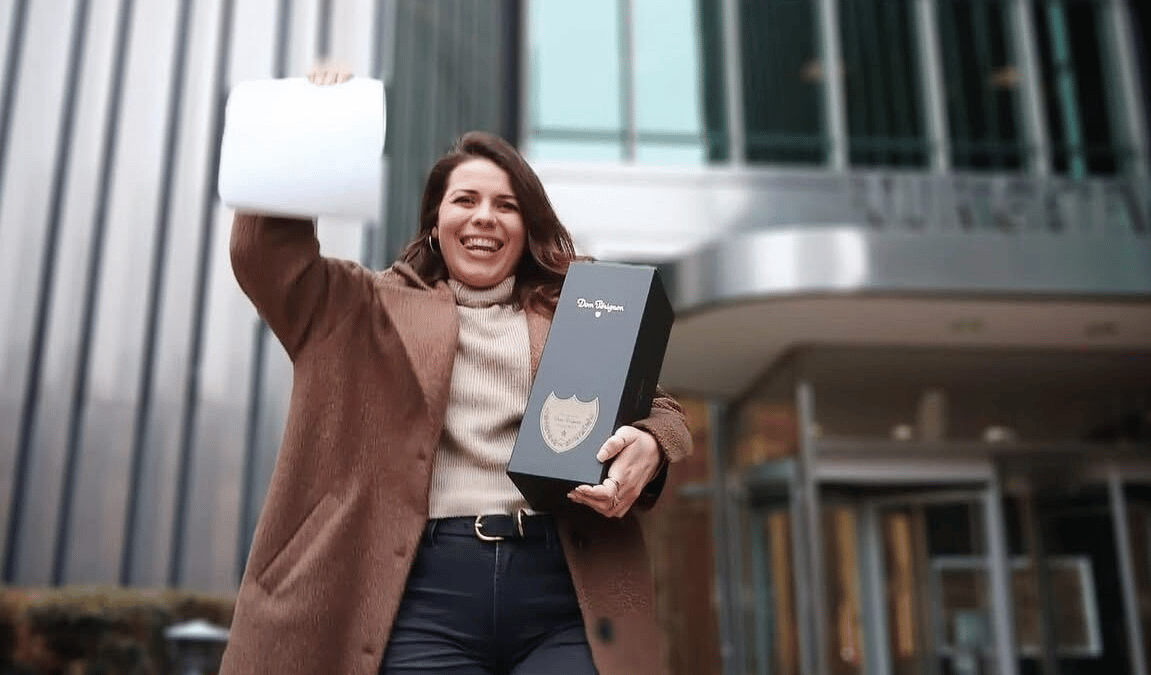
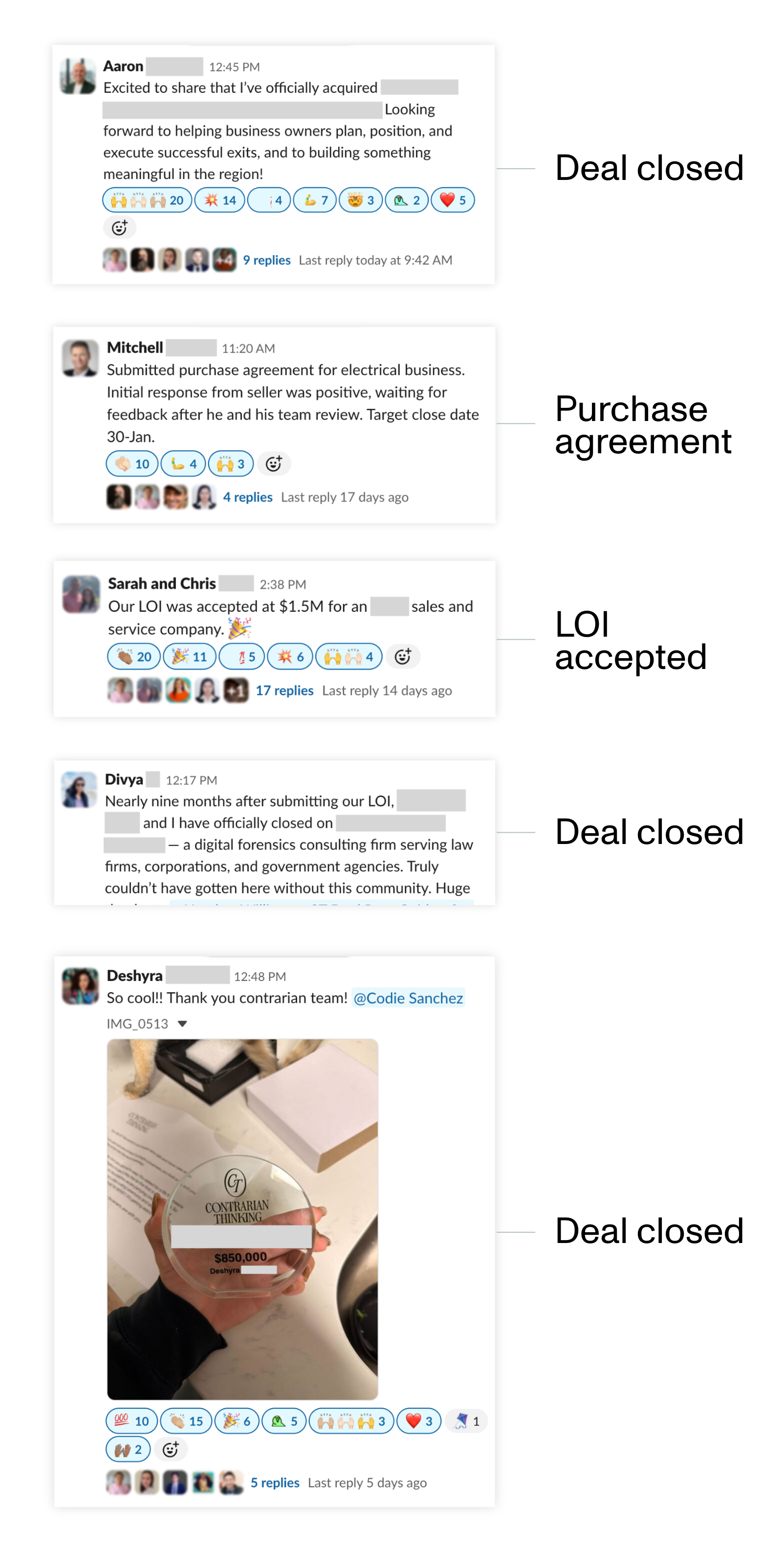
Buying businesses is hard. That’s why we love celebrating our members when they make progress. Here are some wins from the last 30 days:
👉️ Access custom deal tools, acquisition advisors, live calls (and so much more) when you join the Contrarian Academy.
The information contained here is educational, may not be typical, and does not guarantee returns. Background, education, effort, and application will affect your experience and the profitability of any business. Individual results may vary.












.svg)


