You're not stuck, you're just alone at the top. Most entrepreneurs hit a ceiling, not because the opportunity isn't there, but because you're solving $10M problems with $1M strategies.
If your business doesn’t have problems, it’s probably dead.
A few months ago, Marc Andreessen was discussing why Elon Musk is able to build rockets, electric cars, brain chips, and tunnel-boring machines so effectively.
Yes, this Elon:
Marc’s answer was uncomfortably simple.
“Basically, what Elon does is he shows up every week at each of his companies, identifies the biggest problem that the company’s having that week, he fixes it, and then he does that every week for 52 weeks in a row.”
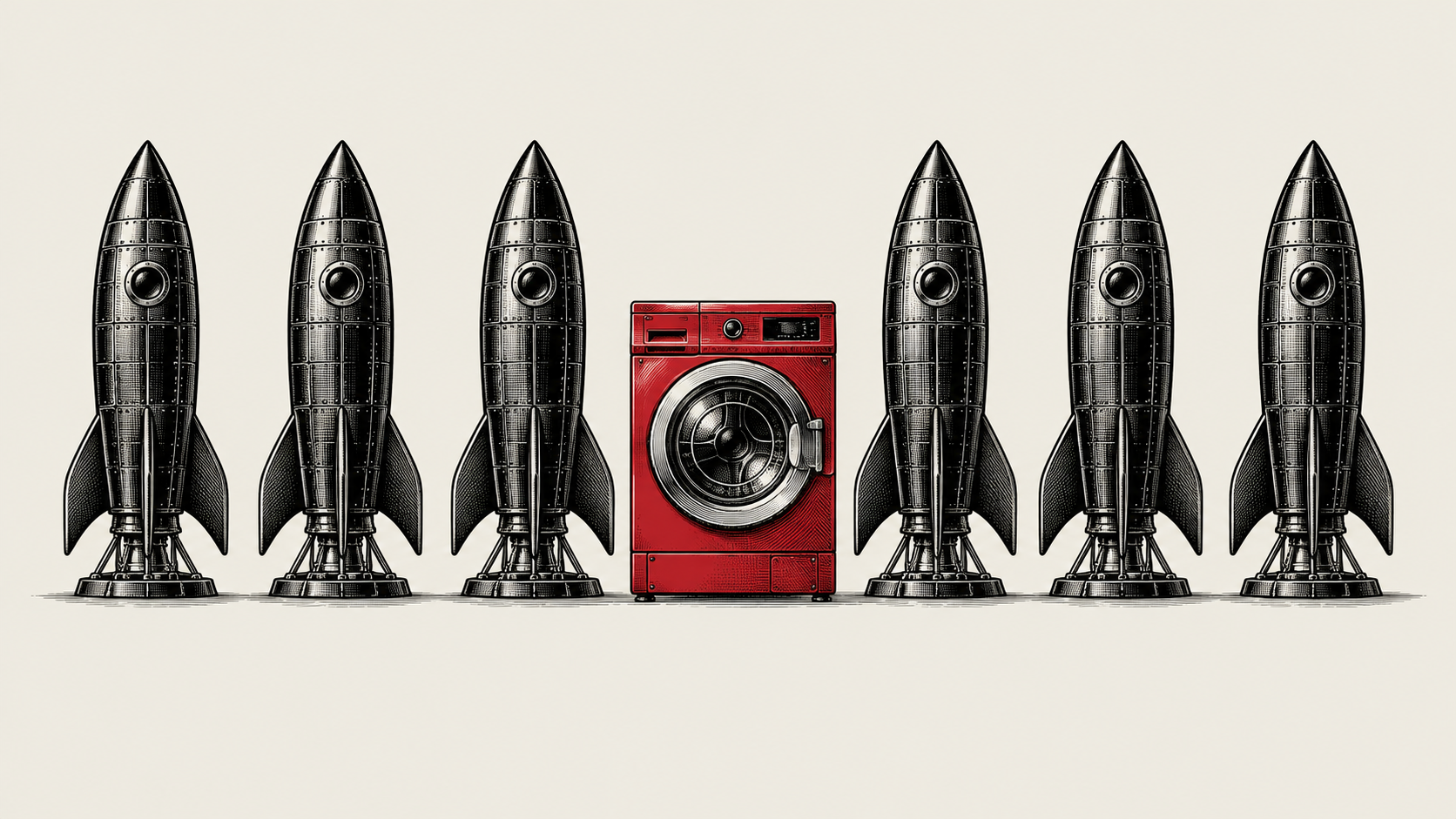
A relentless loop. Simple in theory and brutal in practice. It requires proximity. A willingness to live inside friction. Most people don’t operate this way. Most companies definitely don’t. Problems are treated like biohazards. First, they’re reframed. “Problems” become “challenges.” “Bottlenecks” become “growth opportunities.” Then they’re processed, redirected, and padded with layers of abstraction.
This is the standard operating model of corporate America. We’ve become professionals at problem avoidance. At SpaceX, they do the opposite. They send a 400-foot skyscraper into the sky knowing full well it will probably explode. Spectacularly. Publicly. But they want to know exactly what breaks, when, and why, because every failure will help incapacitate dozens of future problems.
Andreessen described Musk’s approach like this: “Incredible devotion from the leader of the company to fully, deeply understand what the company does… and being the lead problem-solver in the organization.”
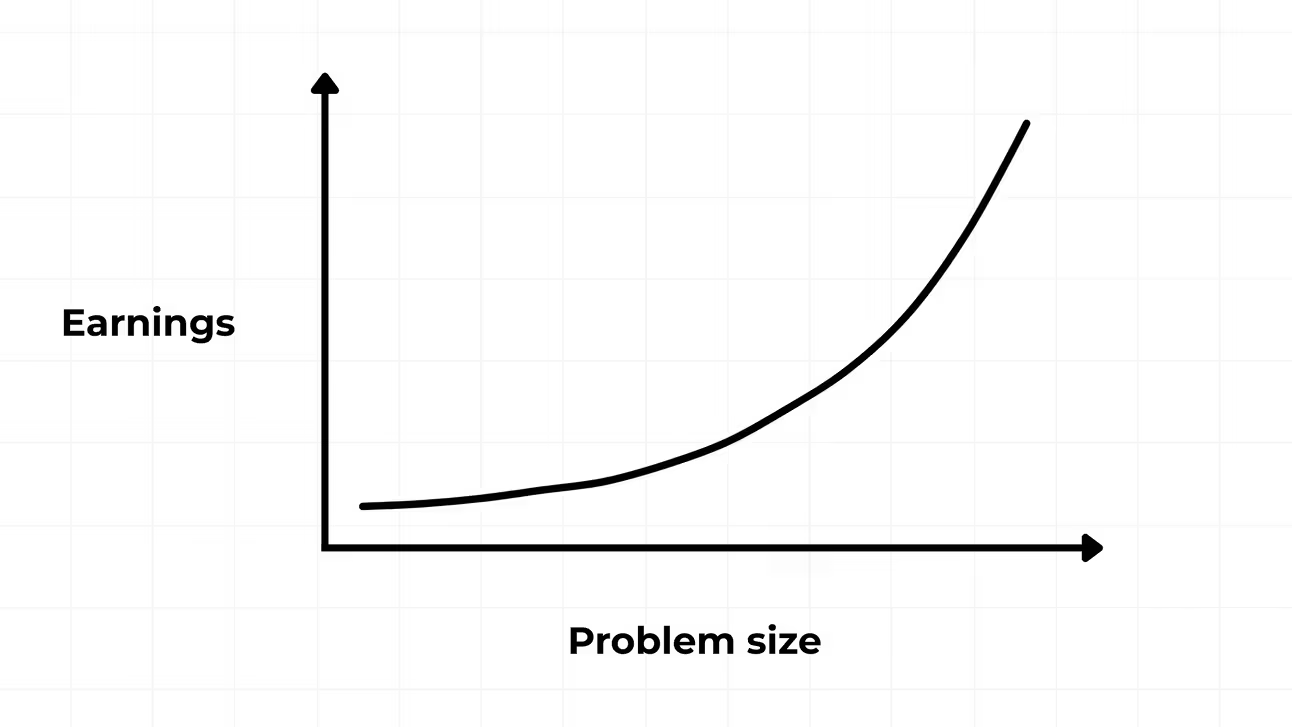
That last part matters. The lead problem-solver. That job isn’t glamorous. It involves surfacing uncomfortable truths and fixing things no one else wants to touch. But it’s where all the leverage is. What you earn usually reflects what you solve.
You don’t need to like Elon to understand this model. You don’t need to launch rockets, either. In a $3M HVAC business or a 20-year-old manufacturing brand, one constraint, one fixable pricing model, one key hire, one broken ops process, can change the trajectory of the entire company.
What you probably need is to move toward — toward the problem that will actually move the needle. That’s the unlock. Not solving everything at once. Just solving the right thing now.
One problem. One solution. One shift in trajectory. Start there.
Then do it again next week.
This Is Where the Money Is
Brad Jacobs has built billion-dollar companies in logistics, waste, and warehousing, industries most people find boring until they see his bank account.
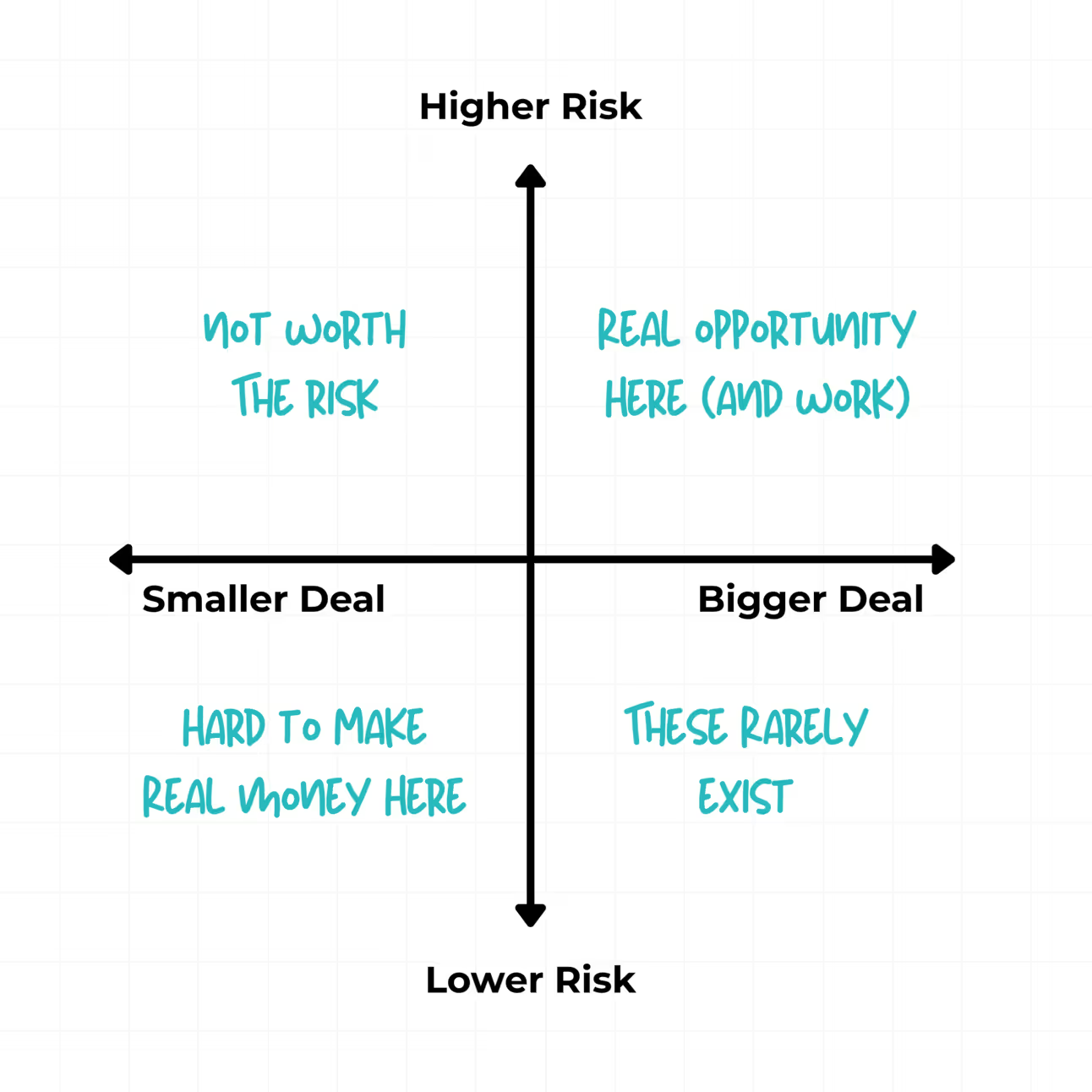
In How to Make a Few Billion Dollars, Jacobs shares a model he learned that’s helped shape how he evaluates acquisition opportunities.
“Think of M&A as having four quadrants defined by size and risk… Big, low-risk deals are the ones everyone wants, but they don’t exist. Small, low-risk deals do exist, but you can’t make much money from them because of their size. Small, hairy deals are the worst quadrant, because the reward is limited and the odds are stacked against you, so why bother? The bingo quadrant is the big, hairy deals. If you can find a big, hairy deal with solvable problems, that's where the real money is.”
Jacobs didn’t win by being perfect. He won by getting really good at solving the right problems. “I’m not surprised when things don’t go perfectly,” he writes. “That’s the nature of this universe we live in.”
(That’s not a mindset, by the way. It’s a skillset.)
Big, hairy, solvable. This is where most scaling problems (and opportunities) live. Not fatal, not unsolvable — just ugly. You hit growth and suddenly your cash conversion cycle turns sour. Your ops leader is underwater. Your CRM looks like it was built by raccoons. You’ve got customer demand, but no clean way to deliver. Revenue’s up, morale’s down, and your systems scream every time you add five new clients. That’s not failure, it’s growth trying to happen.
Jacobs would argue: this is the exact moment where most people run, and the exact moment you should lean in. “If you want to win,” he says, “you have to rearrange your brain to lean into those big, hairy [problems] and figure out how to cut off the hair and de-risk.”
That’s the job. Not avoiding hard problems, but identifying them and selecting the right ones to solve. It’s a little funny how people get upset about finding problems in their business. That’s what business is — constantly finding and solving problems and learning to enjoy the process.
If the issue is real but solvable, if the answer is fixable, quantifiable, or containable — keep going. Most business owners waste YEARS trying to avoid these moments.
The best ones move toward them.
Growth Doesn’t Care About Your Feelings
Ownership alone isn’t the summit. It’s base camp. Consider Houston, who once believed business ownership wasn’t for him. After years of working for others, he acquired Ten Key Remodels, a design-build firm. In less than a year, he doubled its revenue and expanded the team significantly. But this rapid growth brought huge challenges — scaling operations, managing cash flow, and maintaining customer trust in a traditionally skeptical industry.
Then there’s Alex, a magician who transformed his career by acquiring Innovative Imprints, a custom branding company. He turned a recurring expense into a revenue stream, but the transition from entertainer to owner introduced all sorts of new problems to solve.
Zach and Shannon expanded their chiropractic clinic through acquisition, integrating a new business into their operations. This move accelerated their growth but also presented challenges in aligning systems and cultures.
Anna, a former Marine Corps analyst, purchased two businesses in small-town America. Her mission goes beyond profitability; she’s focused on revitalizing the local economy. Yet, scaling services and managing growth in underserved markets come with their own set of uphill battles.
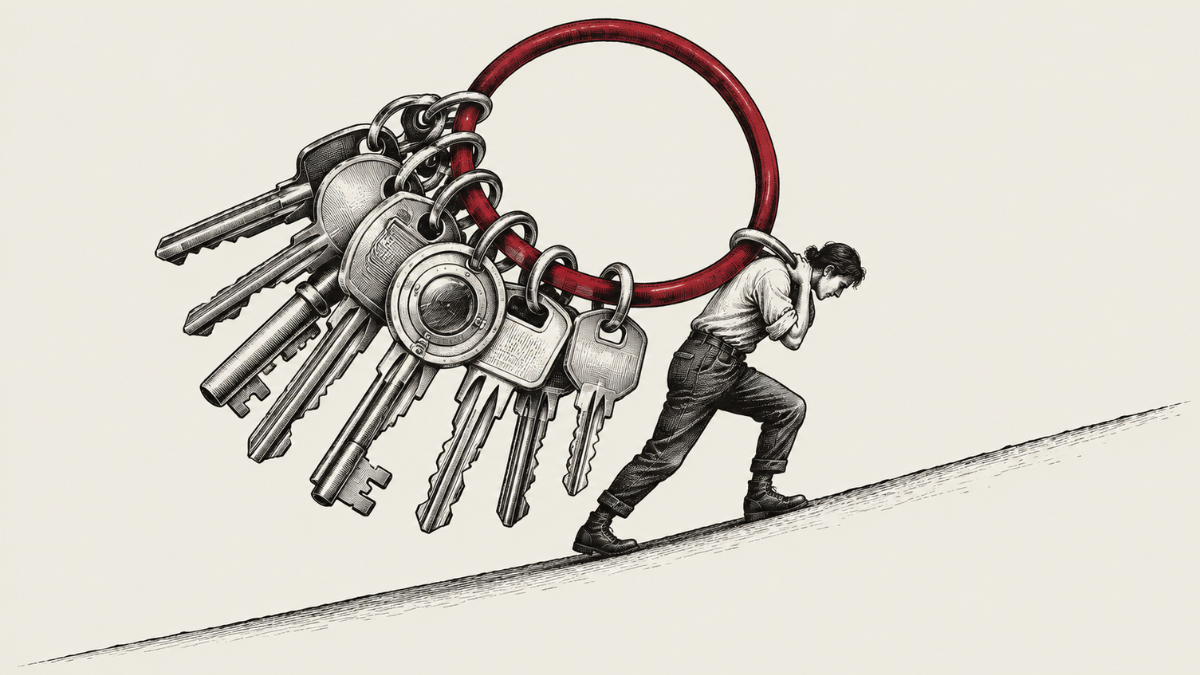
Here’s the truth: ownership is hard. Scaling is hard. It doesn’t matter who you are, what you own, or where you started. Growth doesn’t care about your feelings.
It breaks your systems. It stresses your team. It exposes every tiny flaw in your business model and forces you to fix them under pressure.
And yet — scaling is where the transformation happens. Not just for the business, but for the owner behind it. The entrepreneur becomes the operator. The visionary becomes the builder.
It’s not easy. But for those willing to do the work, it’s worth it.
The information contained here is educational, may not be typical, and does not guarantee returns. Background, education, effort, and application will affect your experience and the profitability of any business. Individual results may vary.




%20(1).png)






.png)


.svg)


