You're not stuck, you're just alone at the top. Most entrepreneurs hit a ceiling, not because the opportunity isn't there, but because you're solving $10M problems with $1M strategies.
In 2021, Allbirds, the shoe brand, went public at a $4 billion valuation.
It did not work out as planned.
This week, after closing their stores and selling off the shoe brand for a sum total of $39 million, they decided to throw in the towel and move on.
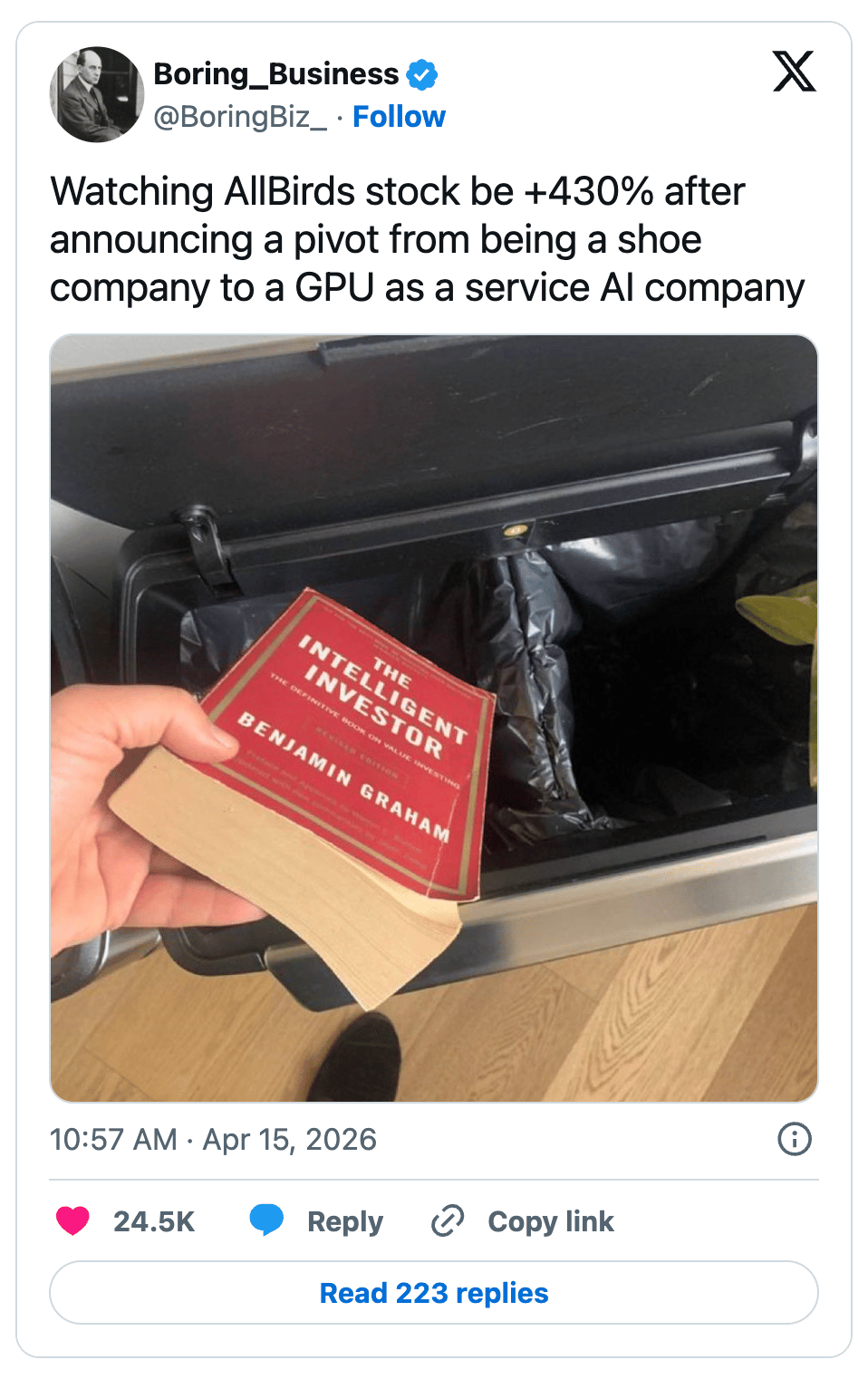
Just kidding! They’re pivoting from wool shoes to “AI compute infrastructure, with a long-term vision to become a fully integrated GPU-as-a-Service (GPUaaS) and AI-native cloud solutions provider.” Seriously.
Result: the stock jumped 582% in a day.
We’re not here to pile on Allbirds (though the memes were hilarious and induced a whole lot of silent nostril laughs).
But cases like this, where a hot company goes public only to be crushed from the get-go, have made many founders think twice about ringing that Wall Street bell in the first place.
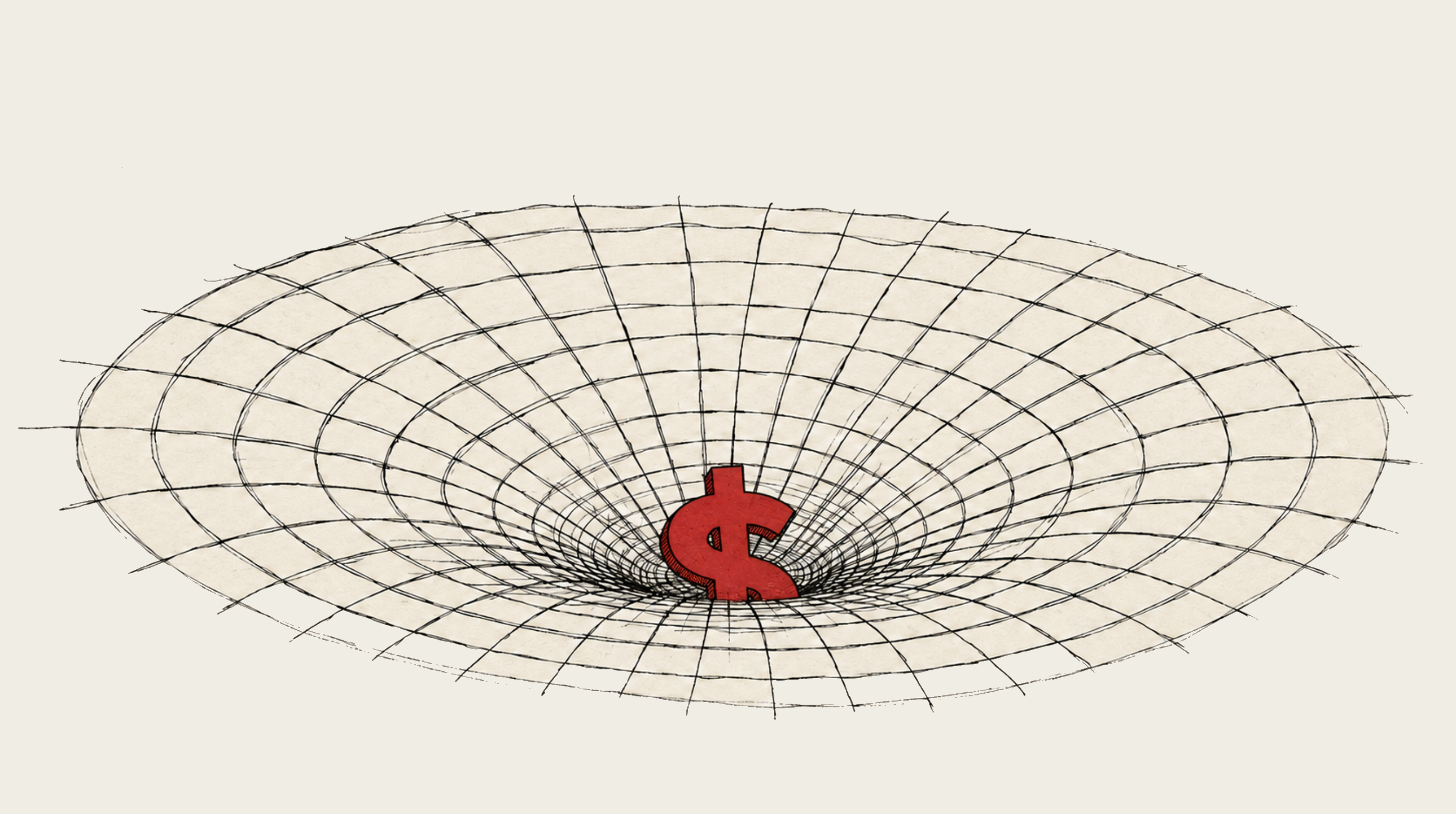
Stepping back, what happened this week reminded us of a much larger shift that’s been quietly reshaping how wealth gets built for decades to come. You may not have noticed it yet.
You’re about to.
Where Did All The Stocks Go?
For most of the time we’ve been alive, the average wealth path was simple. Not easy. Simple.
Get a good job, invest early and over a long time horizon in public stock indices, and let compounding do the work. Not glamorous, not quick, but generally considered a tried and true formula for building wealth.
It’s probably still true. But there are two sides to every coin, and it’s important you understand what’s been changing under the hood in recent years.
So here’s what’s been changing:
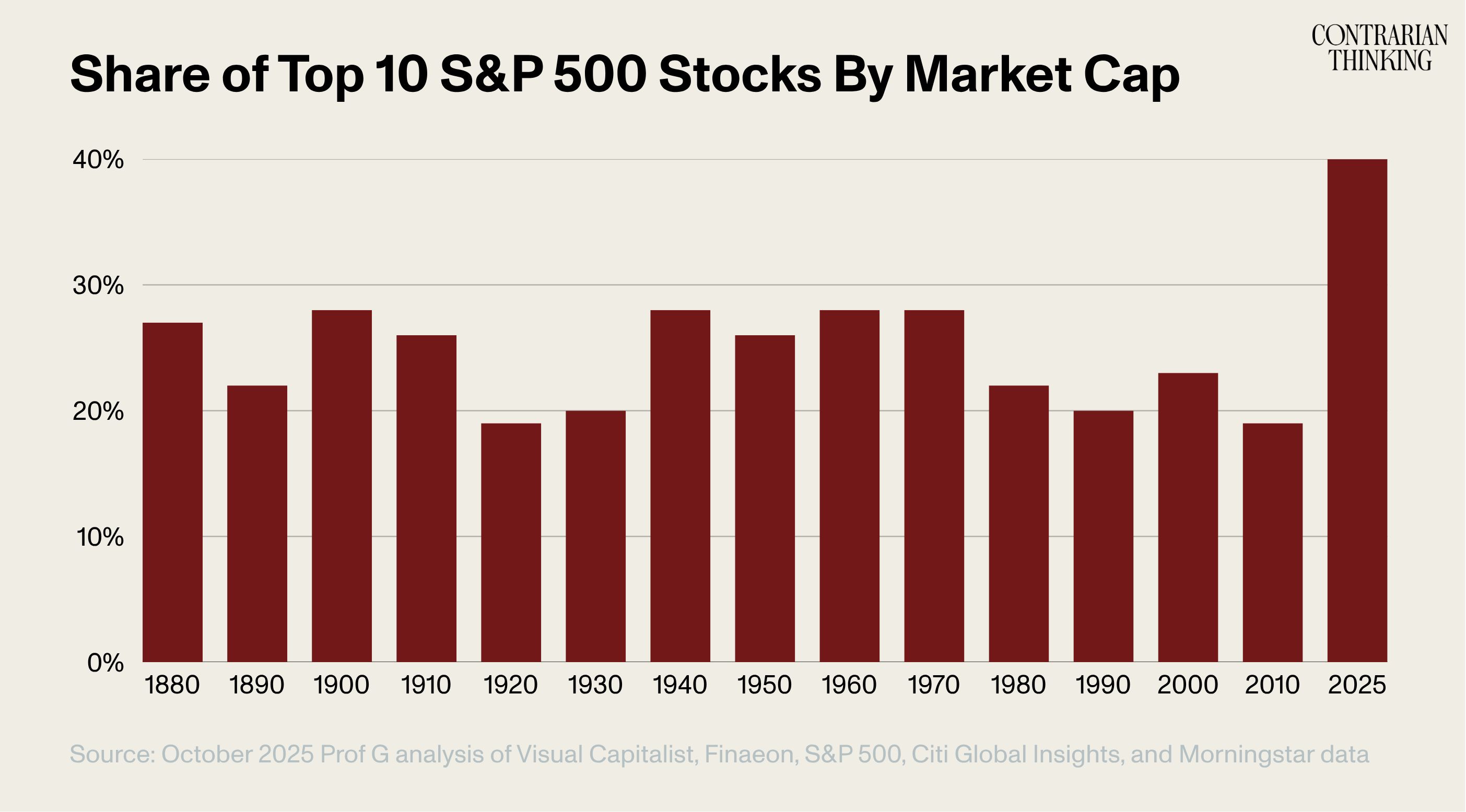
That “diversified” bet we’re all taught to make? It’s actually a fairly concentrated bet on Nvidia, Apple, Microsoft, Amazon, Alphabet, Broadcom, Meta, and Tesla. Together, their market caps represent nearly 40% of the entire index of 500 companies.
But that’s not the only peculiar thing that’s been happening. The pool of public companies you can invest in has been shrinking, too.
Decades ago, there were roughly 8,000 public companies listed in the US. Today, there are closer to 4,000, even as the US economy has grown tremendously. More businesses, more revenue, more GDP. Half the places to put your money? Odd.
So where did everything go?
For one, there are fewer publicly traded companies now because fewer companies are choosing to go public. (You right now: “Wow, thanks for the insight, Sherlock Holmes…”).
But do you know why?
For one, it’s because the bar is higher. It’s expensive, the scrutiny is tougher, and founders feel they may have better options in the private markets.
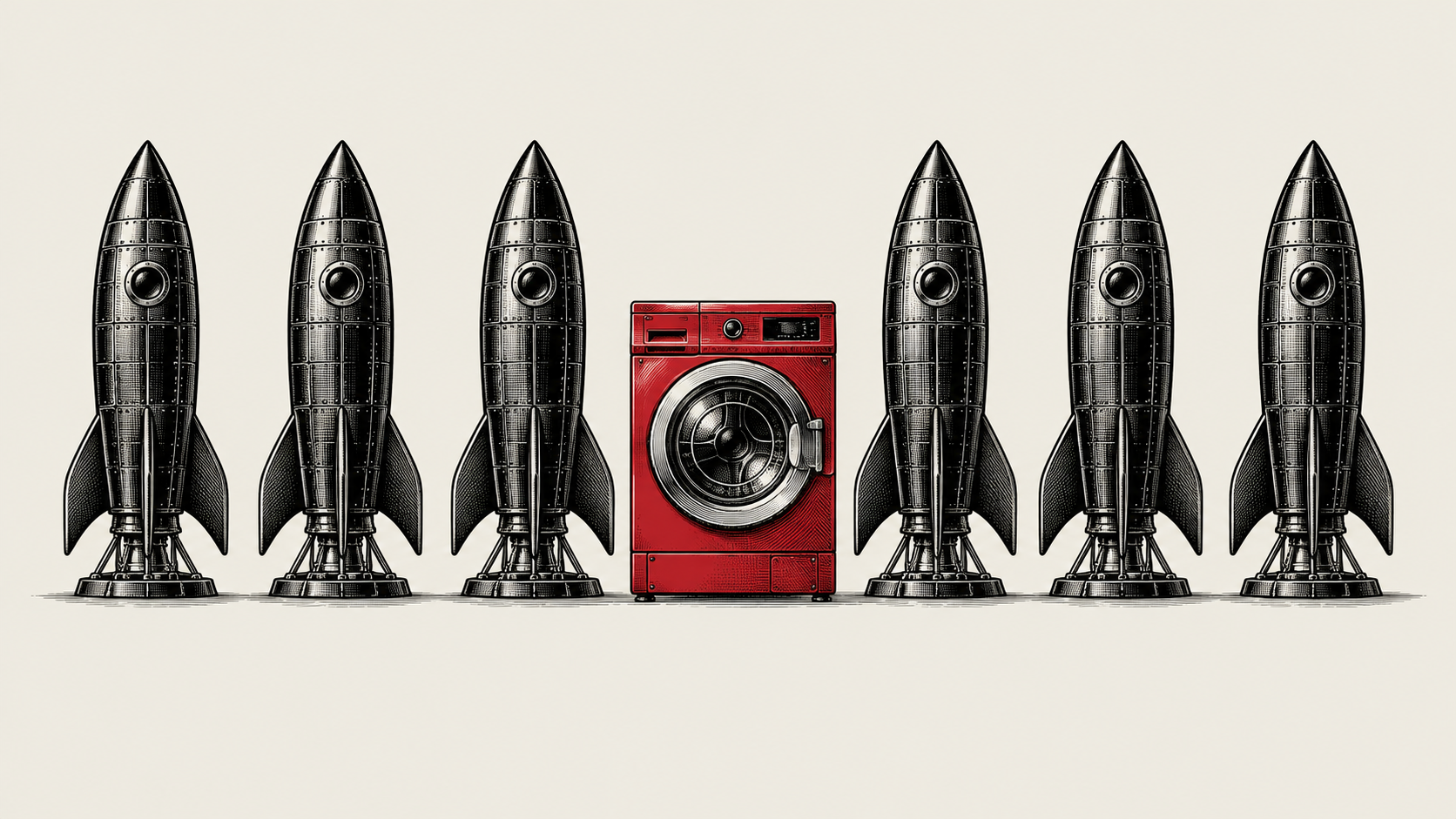
Figma is a good example of what going public can look like, even when the company is genuinely considered great in the private markets. It IPO’d in July 2025 to great fanfare… and has fallen over 80% since.
The early private investors likely made a killing. Employees who couldn’t realize their paper gains, and people who bought in after the initial bell? Not so much.
…Okay, what else has been quietly shifting?
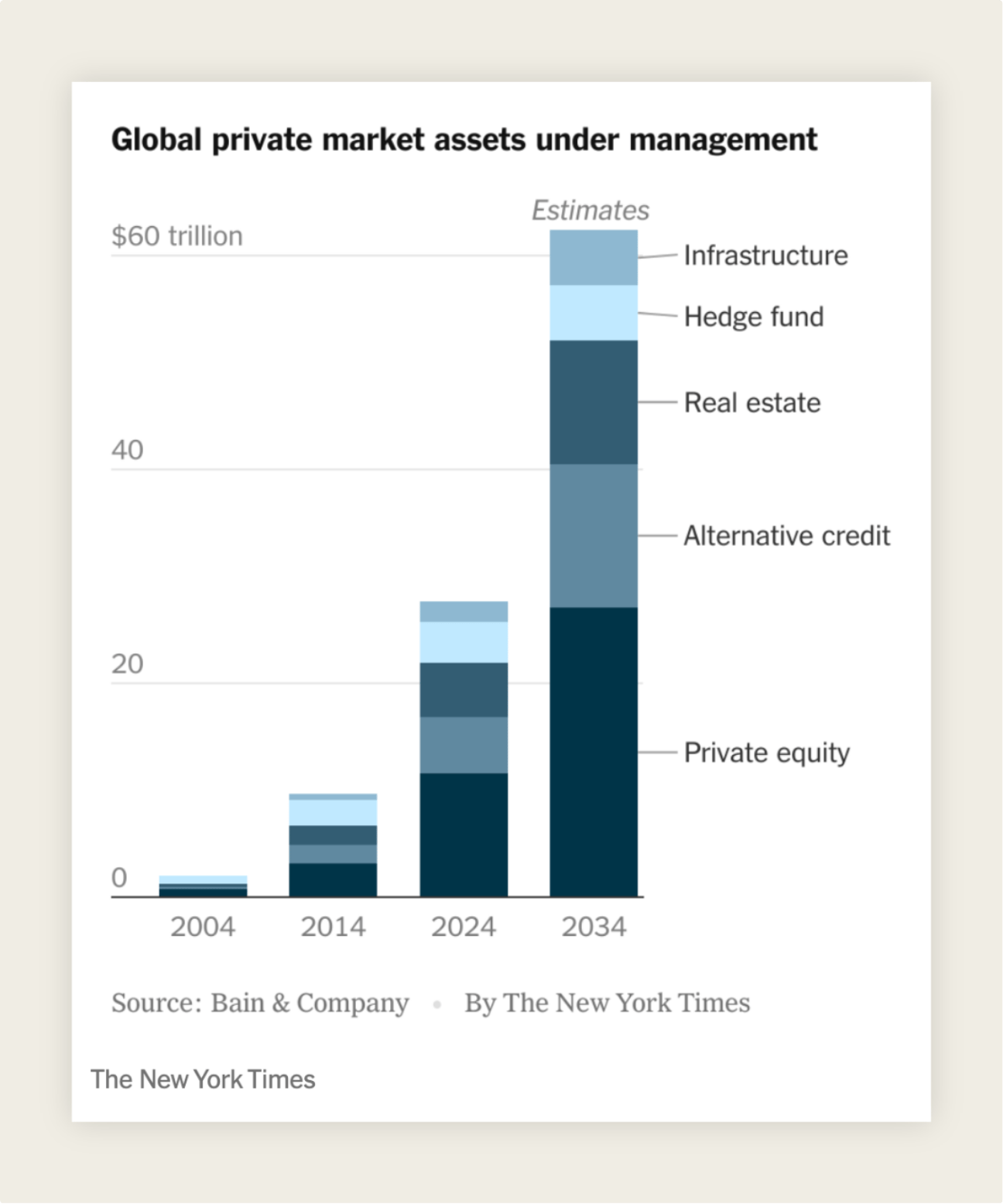
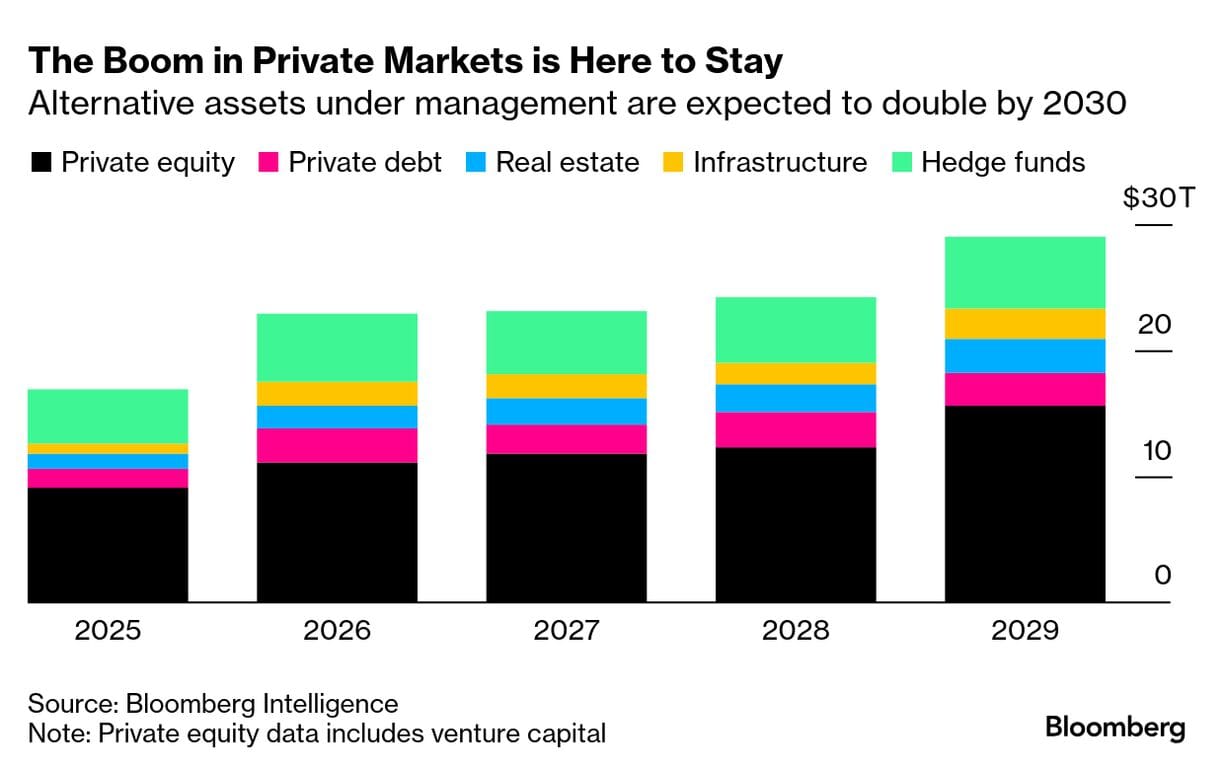
Private markets have exploded. There’s now a wall of never-ending venture and PE dollars trading over private companies before they have a chance to mature as public ones.
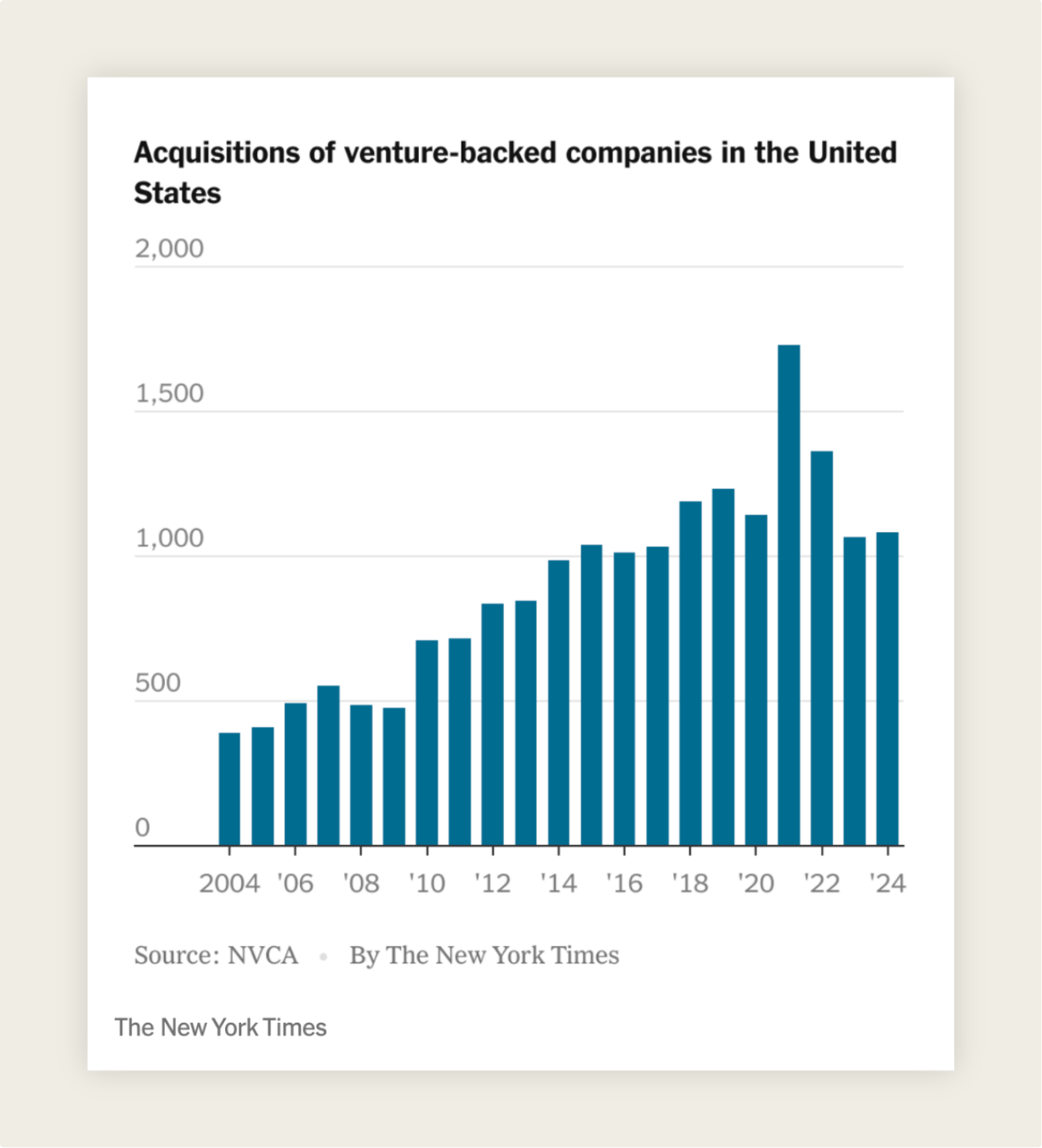
Broadly speaking, M&A has also grown relentlessly. Great businesses are now more frequently, and more quickly, bought and buried inside larger ones.
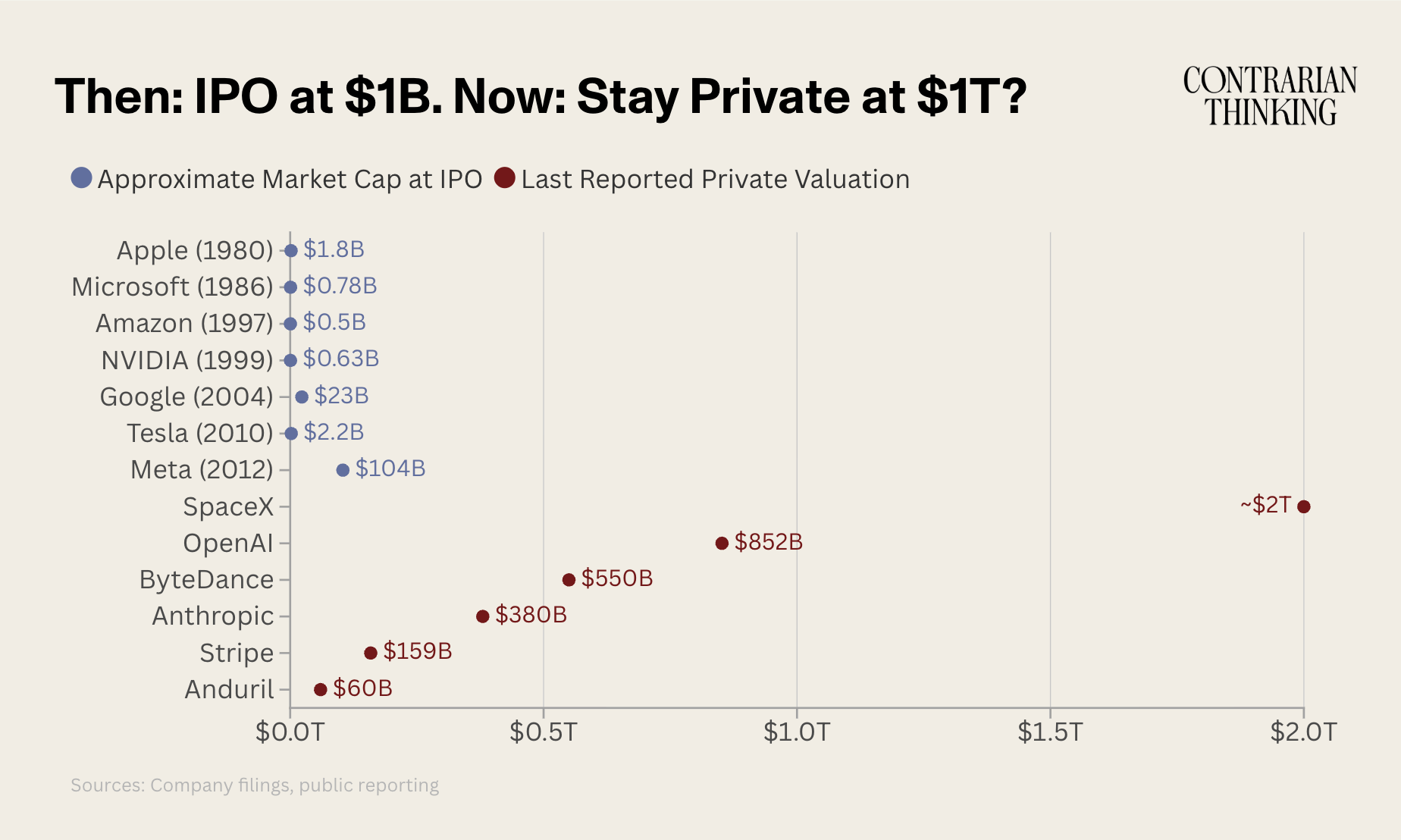
Here’s another big one: Some of the very best companies are staying private far longer than they would have in past decades, often for strategic reasons. OpenAI, Anthropic, SpaceX… they’re worth eye‑watering sums and still private:
When Amazon went public, it was worth a few hundred million. MILLION!!! Today’s giants often compound into the tens or hundreds of billions before most people get a shot.
The worry? By the time most people can “invest” in these companies, much of the value creation could be over. (That may not be true… It’s just the worry.) But it’s one reason so many dollars are turning toward the private markets.
…Which brings us to something not enough people are talking about outside of our little bubble.
There may be opportunity here for you, too
None of this is to say that the public markets are a bad move. History shows they’re a great one, especially if you’re responsible and patient.
But they may be on their way to becoming just one part of a larger game. See, for much of recent history, they were the only game many people even knew existed. That’s no longer the case.
In our view, for hardworking people, overlooked private market opportunities exist in finding gems among the tens of thousands of profitable, small, private businesses that will never make a headline. It takes serious work to find these gems, but once you do? Man, can cool things happen.
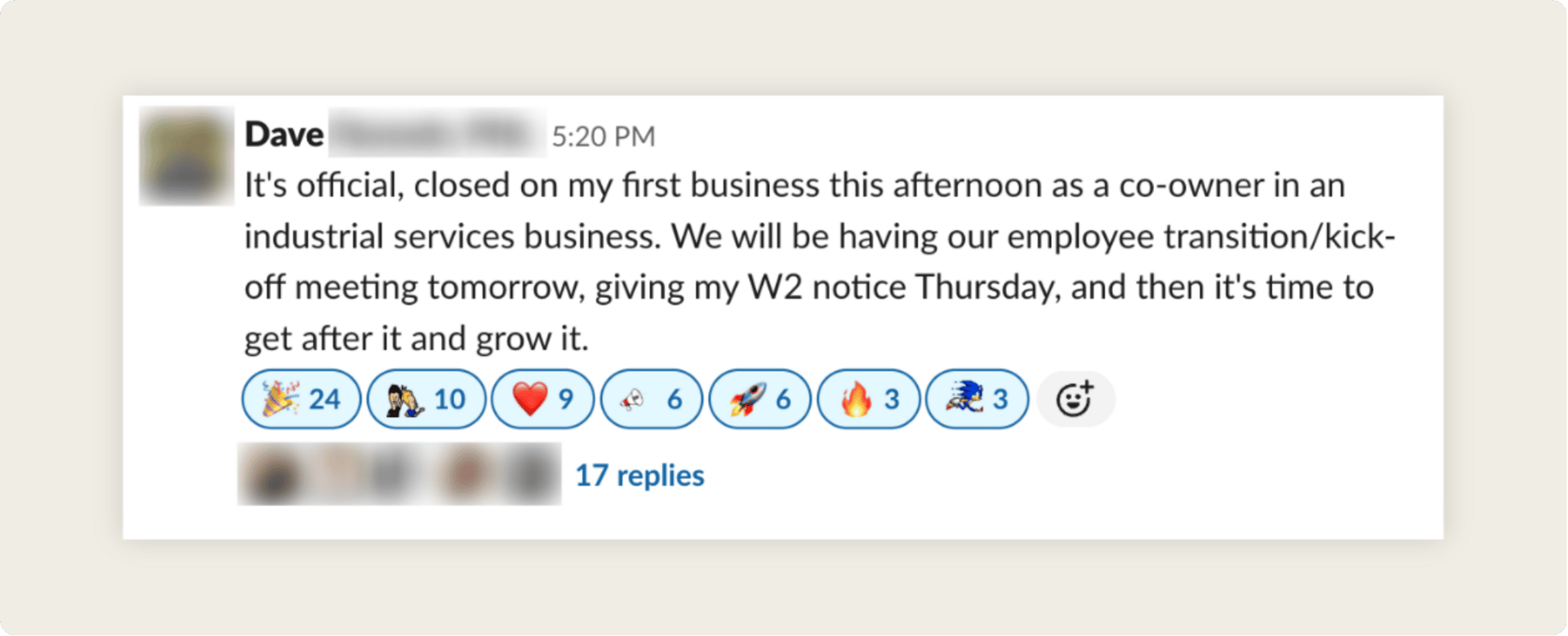
Take Dave.
Dave is a mechanical engineer by training. Spent 15 years inside Big Pharma, running capital-intensive projects, overseeing construction and risk mitigation, and managing large teams.
On paper, it was a rock-solid career. Stable and well paid, with room to grow. But something never quite lined up.
“I always had this feeling of, how do I build something of my own?”
For years, Dave didn’t really have an answer. He didn’t think he’d ever “invent” anything. He didn’t have a specific trade skill he could go out and sell. The idea of starting from scratch felt unrealistic. But then he learned about the possibility of buying an existing business.
So Dave joined our Contrarian Academy in July 2023. What followed was a 14-month search that ended with the acquisition of a long-running $10M+ industrial services company.
The biz spans multiple divisions, dozens of employees, and a customer list that includes refineries, chocolate producers, power generation plants, and life science manufacturers.
He didn't do it alone. He ended up partnering with an investor that the broker introduced him to in the process. And after about a year of ownership, Dave and his team:
Navigated key man risk when employees retired right after closing
Built recruiting systems to strengthen the team
Are on track to grow sales by roughly 50%
When we last spoke to him, Dave was also under contract for his first strategic acquisition and already had a second target in early discussions. Both are off-market deals that align with existing skill sets.
Stepping back, this means Dave has gone from an employee to an owner to a potential multi-acquirer in just a couple of years. And we can’t wait to see what things look like for him in another couple.
His story isn’t a fluke
It stems from a teachable process, and there are lots more stories like it.
Private dealmaking is not one size fits all. It’s nuanced. You can buy an entire business, or own a small part of one. You can use a loan, sweat equity, or another form of creative financing. You can operate the business yourself, or build out a team.
And if you’re ready to start learning how to play in this arena, we have two ways to get you moving:
If you already own a business…
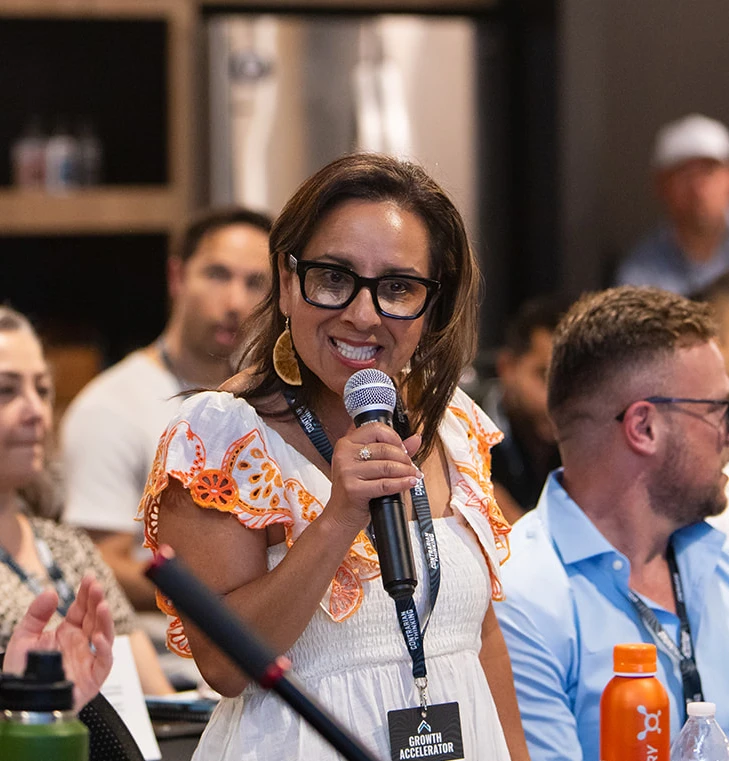
The Growth Accelerator Workshop is for you. It’s built to help owners go from early chaos to focused scaling. Over 3 days in Austin with our team, you’ll identify specific levers needed to scale your business. Whether it’s hiring, cash flow, marketing, or AI implementation, we can help.
If you want to become an owner…
Our upcoming virtual business buying bootcamp is the place to start. You’ll leave with the step-by-step process to buying a blue-collar biz, then growing it the right way.
You’ll get an accelerated education in:
Finding and analyzing private deals
Negotiating and financing these deals effectively
Driving growth in your new business with AI
And importantly, you’ll finally see how to actually, practically get closer to the value creation curve instead of eating the scraps.
Most people will read all of this, nod, and move on without taking any action.
Don’t let that be you.
-Team Contrarian
The information contained here is educational, may not be typical, and does not guarantee returns. Background, education, effort, and application will affect your experience and the profitability of any business. Individual results may vary.













.png)


.svg)


