You're not stuck, you're just alone at the top. Most entrepreneurs hit a ceiling, not because the opportunity isn't there, but because you're solving $10M problems with $1M strategies.
How 1 Karaoke Night Became a $700K Entertainment Business
June 9, 2026
8 min read
"I absolutely destroyed my first wedding. Not in a good way."
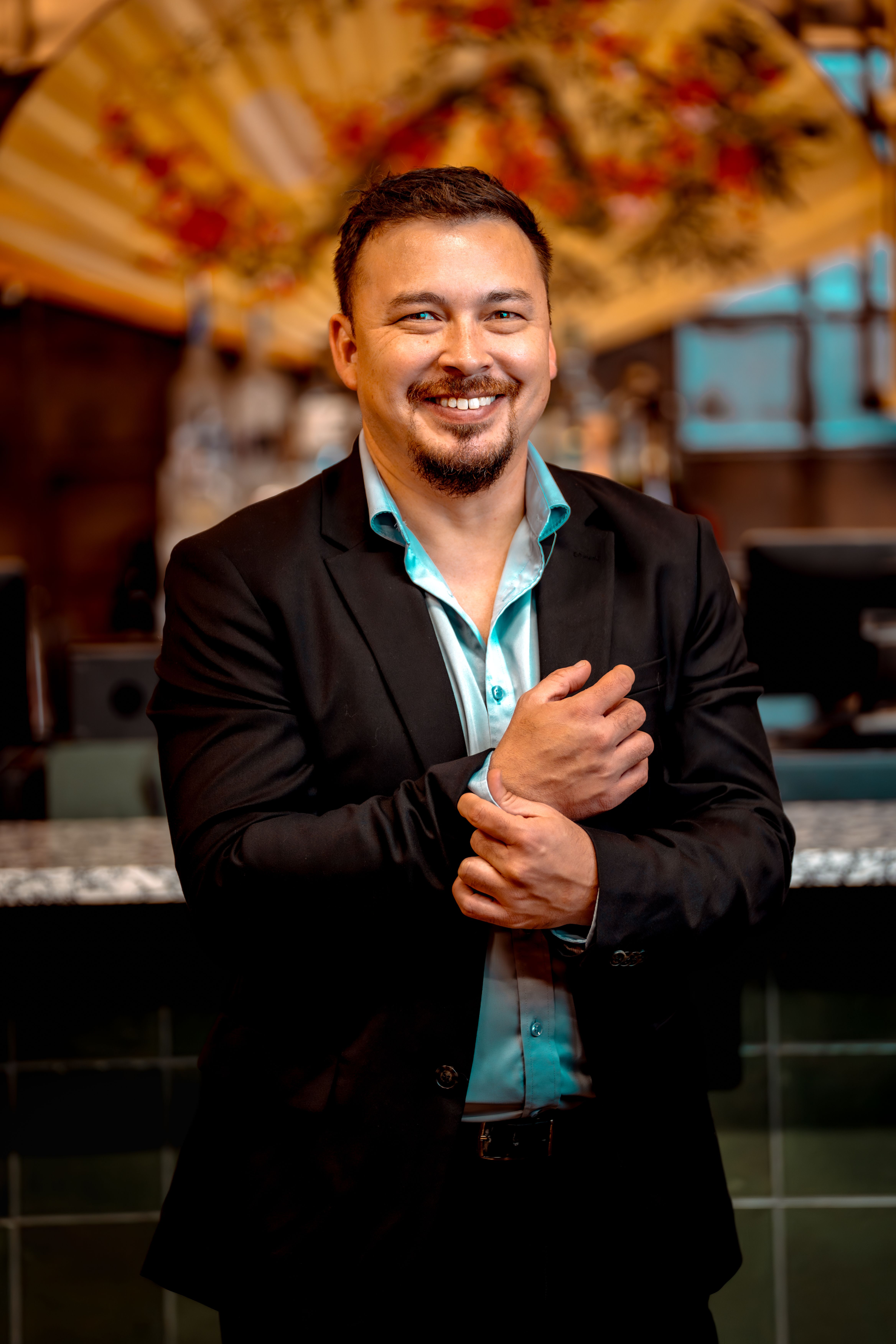
Meet Stephen “Stir Fry”Rice, founder of Rocket Entertainment
His dad owned a trailer park in Alabama, and young Stephen would often ride along on rent collection runs.
While that sounds a lot like the logline for a new Taylor Sheridan TV show, learning how to get money from surly tenants during contentious midnight confrontations were Stephen’s business school.
Fast-forward through a media sales career (TV, radio), a marketing agency he launched a little too early, a cashed-out 401k, a sold house, and a divorce in 2016…
And Stephen needed something new.
He wan’t looking for his next business though. Instead, he just wanted a reason to get off the couch after dark.
So he started hosting karaoke.
The first gig was a Sunday night at a bar he describes as "a dive bar, then amplify that times two." He didn't own any gear either. He just showed up to work the mic.
But he was good at it.
Really good.
And within a few months he’d bought more equipment, added a second and third night to his schedule, and then the breakthrough: his first wedding gig.
"I absolutely destroyed my first wedding. Not in a good way."
Most people would’ve tucked tail and run back to the dive bar. But not Stephen. Undeterred, he locked in and figured it out on the second try.
18 months later, he was running karaoke and DJing 5 or 6 venues a week across town.
And his branding was fantastic.
Everyone knew him not as Stephen, but as his college nickname Stir Fry.
"If you were in Walmart right now and you yelled 'Steven' versus 'Stir Fry,' I would probably pick up on Stir Fry first."
Our boy Stephen had accidentally built himself a little name recognition, and it was time to figure out what to do with it.
Around 2020, he called his friend Michael and gave him a pitch: I booked 20 weddings this year, but I think we can hit 40 if you come on with me.
Michael said yes, and he’s still with the company today as the lead DJ trainer.
That was the beginning of Rocket Entertainment.
And it’s only been growing…
What started on the sticky floors of Alabama’s diviest bar, eventually grew into a $700K entertainment mini-empire.
Next week, I'll teach you the same frameworks Stephen used to scale, systematize, and start building something he’s proud of.
Main Street Millionaire Live — June 18–20, 2026.
This 3-day virtual event is built to help you become a kickass operator like Stephen, and we’re covering all the principles he used to scale his business. .
Hit the link below to get started down the path of business ownership.
Now, Stephen’s (excuse me, DJ Stir Fry’s) business didn’t explode overnight.
But after years of little improvements and doing the basics well, Rocket Entertainment is positioned to take off in a big way.
So here’s the 5 Key Takeaways you can apply to your own business.
1. Your failed business is your degree
Stephen's marketing agency didn't survive.
He closed shop, cashed out his 401K, and sold his house.
But Stephen doesn’t consider any of that a net loss.
Because by the time Rocket Entertainment was up and running, he had a pre-built system most entertainment company owners never think about.
He already knew Facebook ads, lead funnels, local SEO, and client automation.
"I've worked TV, radio, an internet marketing company, marketing director for an HVAC company, for a custom metal art company. I think what makes me a little bit unique is having a little more perspective than some people have."
Everything he tried before was practice for the big game.
The lesson: the skills from the business that didn't work are assets in the business that does. Your failures are just lessons in disguise.
2. Hire for loyalty before you hire for skill
The first 6 or 7 people on Stephen's DJ roster were his friends from the bar scene.
They weren’t the most technically polished DJs in Huntsville, but they were good people with great personalities, a feel for a crowd, and loyalty to Stephen.
He didn’t go on a hiring spree, he just focused on finding the RIGHT people.
Since then, he's gotten more refined and learned which personality types work in what roles.
Club DJs are great executors but harder to trust as managers, with karaoke hosts and musicians making better long-term fits.
But the original rule still holds: build the early team from people you trust and want the company to win.
The lesson: early on, trust compounds faster than talent. Find the who buy in and show up, then train the skill.
3. The pricing floor is in your head
For years, Stephen's entry-level package sat at $1,500 because he assumed that was most clients' ceiling.
His advisor in the Growth Boardroom took one look and said, “Raise it.”
He bumped entry-level to $1,700, the mid-tier went to $2,100, and the top package climbed to $3,000–$3,100.
"I haven't had a lot of pushback. People are still booking. I'm still closing at the same rate."
He had been the one holding the price down, because the market was willing to pay more the whole time.
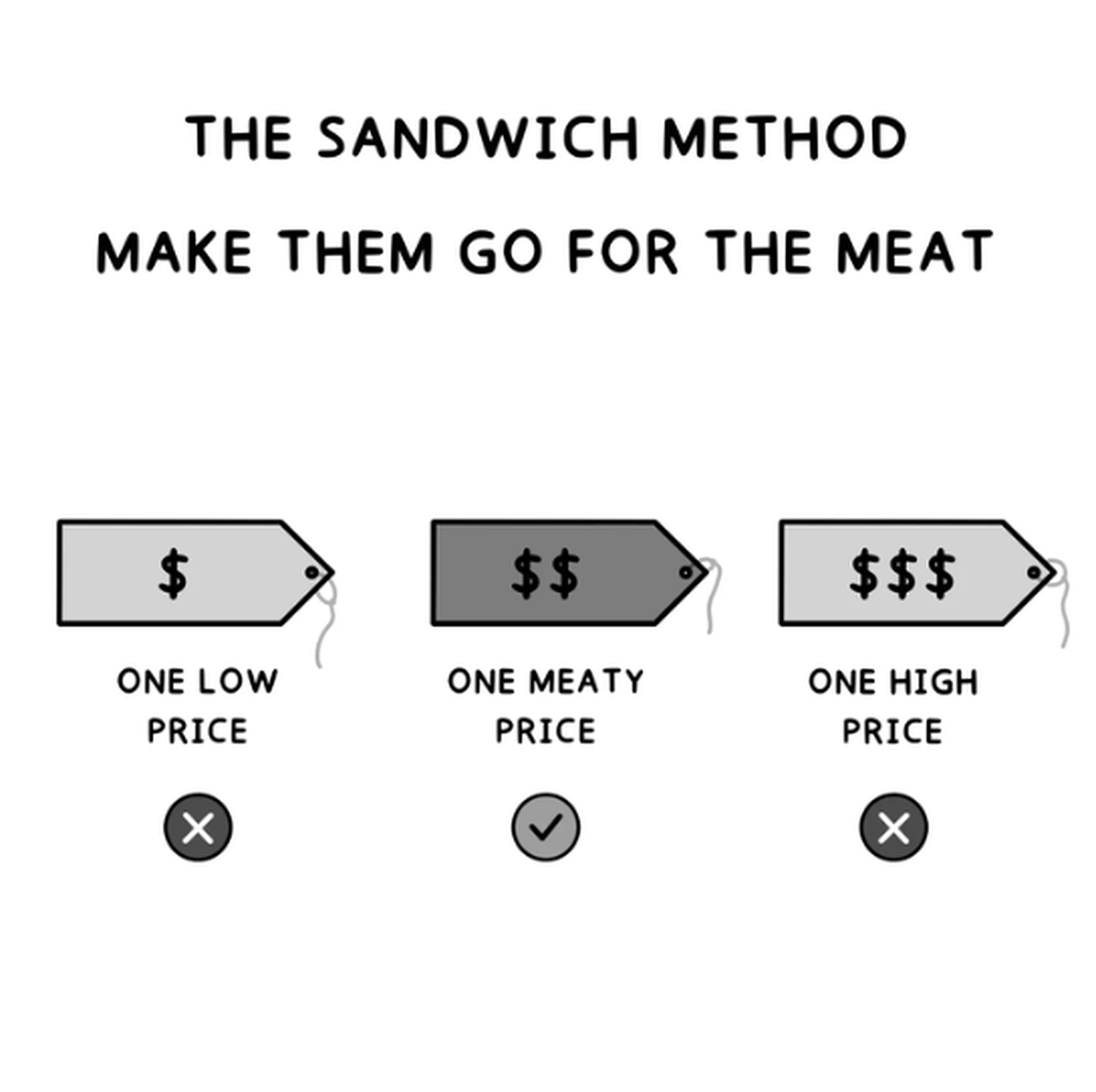
Something else worth pointing out is an excellent use of the the Sandwich Method.
The three tiers Rocket Entertainment offers make the middle price the most attractive, and most people with go with that option.
Keep this in mid as you’re building your own offers.
The lesson: the ceiling on your pricing is usually your own psychology, not your customer's wallet. And remember to make a price sandwich to increase your AOV.
4. It doesn't exist until you write it down
Stephen came back from the Main Street Millionaire Live workshop with 1 phrase circled over and over in his notebook.
Get it out of my head.
He had 2,500+ inbound leads a year flowing through automations.
All this was managed by a virtual assistant running email and client logistics and an ops guy managing gear and scheduling. But all the critical knowledge — how events run, what clients expect, what every product does — still lived in Stephen's brain.
So he built a knowledge base using Replit and Claude, with every process documented from first client inquiry to post-event wrap.
"I've challenged (my employees): find a way to break it. Ask it something it can't answer."
That's the standard. Not functional, but bulletproof.
The lesson: if your team can't run a shift without calling you, you don't have a business. You have a babysitting job.
5. When the vendor won't move, build your own tool
Rocket Entertainment was paying for a music planning app that charged a base rate plus a per-DJ fee that kept climbing as the team grew.
After figuring out he was their biggest client, Stephen went to the vendor to negotiate price.
The vendor offered him a T-shirt…
So Stephen built his own system that handles event timelines, client music planning, inventory management, and gear assignment — and is on track to replace 2 existing software subscriptions entirely.
That’s the power of using AI intelligently in your business. With enough effort, you can start replacing costly tools with bespoke systems.
The lesson: your biggest recurring software expense is either a negotiation point or a build opportunity. If they won't move, you know your next steps.
6. The operator's playbook
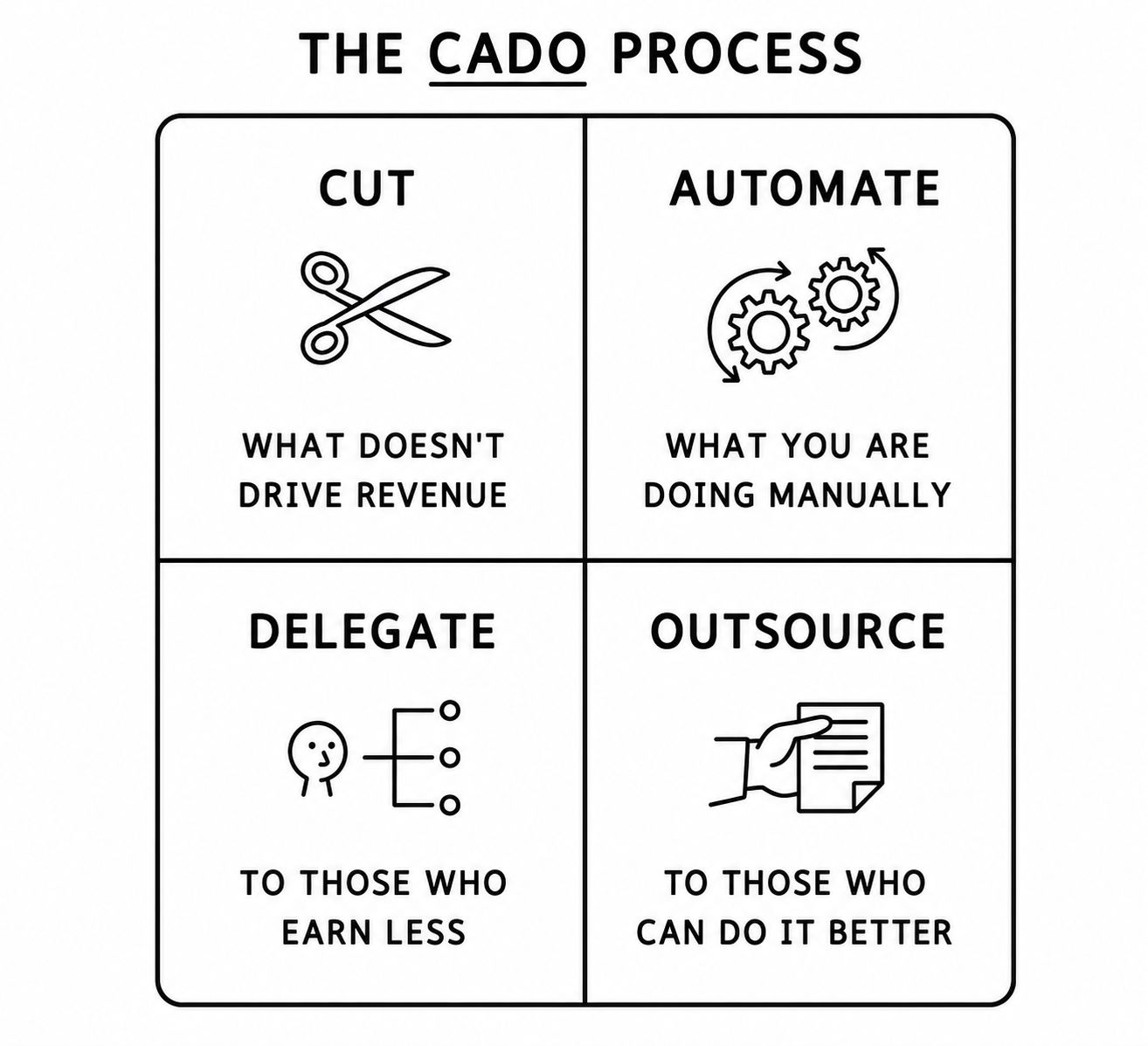
The CADO method isn't just for acquisitions.
Stephen ran it on Rocket Entertainment, and in under 4 months, he found at least $20,000+ in recoverable margin: renegotiated contracts, smarter scheduling, trimmed tools he'd outgrown.
"I'm not done. That's just what I've found so far."
For a business pacing toward $700K–$750K in revenue, that's HUGE.
The lesson: before you go looking for the next business to buy, run the profit audit on the one you already have. There's usually more in there than you think.
Where he's headed
Stir Fry throws a great party
Stephen is 44.
He has an 18-month-old and a wife he wants to retire by 55, not 65.
He has a DJ training portal, an ops team being built to phase him out of day-to-day operations, and an acquired audio guest book company he's already planning to grow.
He's looking at Texas, eyeing Nashville, and has a long-range plan that involves acquisitions in the event space and a holding company structure he hasn't fully named yet.
He called it a "mini empire" and while he seemed a little embarrassed to say it out loud, he shouldn't be.
After all, there aren't many DJ companies operating at 7 figures.
Most people running events companies are still the ones working the mic, but Stephen is building a company that has other people manning the music for him — times 20, across 4 markets.
He started because he needed to get off the couch during a divorce.
And he's still building because he wants his daughter to proud.
"I want to make it happen. I don't know if it comes across, but I'm definitely motivated."
Don’t worry Stephen, it comes across.
-Codie
Psssst… Here’s a little more about Main Street Millionaire LIVE:
Main Street Millionaire Live is our 3-day, virtual event for people who want to gain the practical skills and tools to buy a profitable business.
It’s also the last time we’re doing this in 2026.
So if you miss this one, you’re gonna have to wait until 2027 for us to run it back…
Led by world-class experts in deal sourcing, financial analysis, negotiation, and operations, you’ll leave ready to take meaningful action.
Here’s what some of our members are saying about what you’ll learn:
“I just loved the foundation I had (in Contrarian) for being able to analyze the deal more confidently, know what red flags to look for, and just, you know, kind of have all that very hands-on help through the process. So thank you so much and really enjoying working for myself and figuring out all kinds of new workflows and how to make this a modern, you know, more modern firm as, as we go.“ - Danelle Fortune, Owner of Mary Arts Tax and Business Services
“Contrarian thinking helped me to overcome my fear by teaching me to get out of my comfort zone, that you don't grow unless you are doing uncomfortable things. And so the more I did it, the better I got at it, and I couldn't have done it without Contrarian Thinking.”- Erin Blake, Owner of Crossway Laundromat
Plus, this is the last time you’ll be able to snag a ticket before the price goes up in a few days.
So if you want to learn how to buy a business in just three days, for the lowest price you can: Click HERE
The information contained here is educational, may not be typical, and does not guarantee returns. Background, education, effort, and application will affect your experience and the profitability of any business. Individual results may vary.















.svg)


