You're not stuck, you're just alone at the top. Most entrepreneurs hit a ceiling, not because the opportunity isn't there, but because you're solving $10M problems with $1M strategies.
How The Owner of This Home Inspection Business Broke Through a $1M Ceiling and Grew 40% YoY
January 21, 2026
12 min read
START HERE
“I Built My Business to a Certain Level. And It Just Wouldn’t Go Past It.”
Ian Mayer had a degree in finance. Years in stable jobs. A steady income. A house. A family. The kind of setup that’s supposed to signal “security.”
Then his company relocated.
No relocation package. A pay cut if he followed. An unspoken reality that he wasn’t really invited. Ian had a wife, two kids, and a mortgage. Starting over in another state wasn’t an option.
That moment forced a hard conclusion.
“Even if I found another job, the same thing could happen again. So I decided I had to become an owner and be self-employed.”
That decision pushed him into ownership with nothing lined up. No safety net. Just a belief that controlling his income was safer over the long term.
What followed was a grind that included:
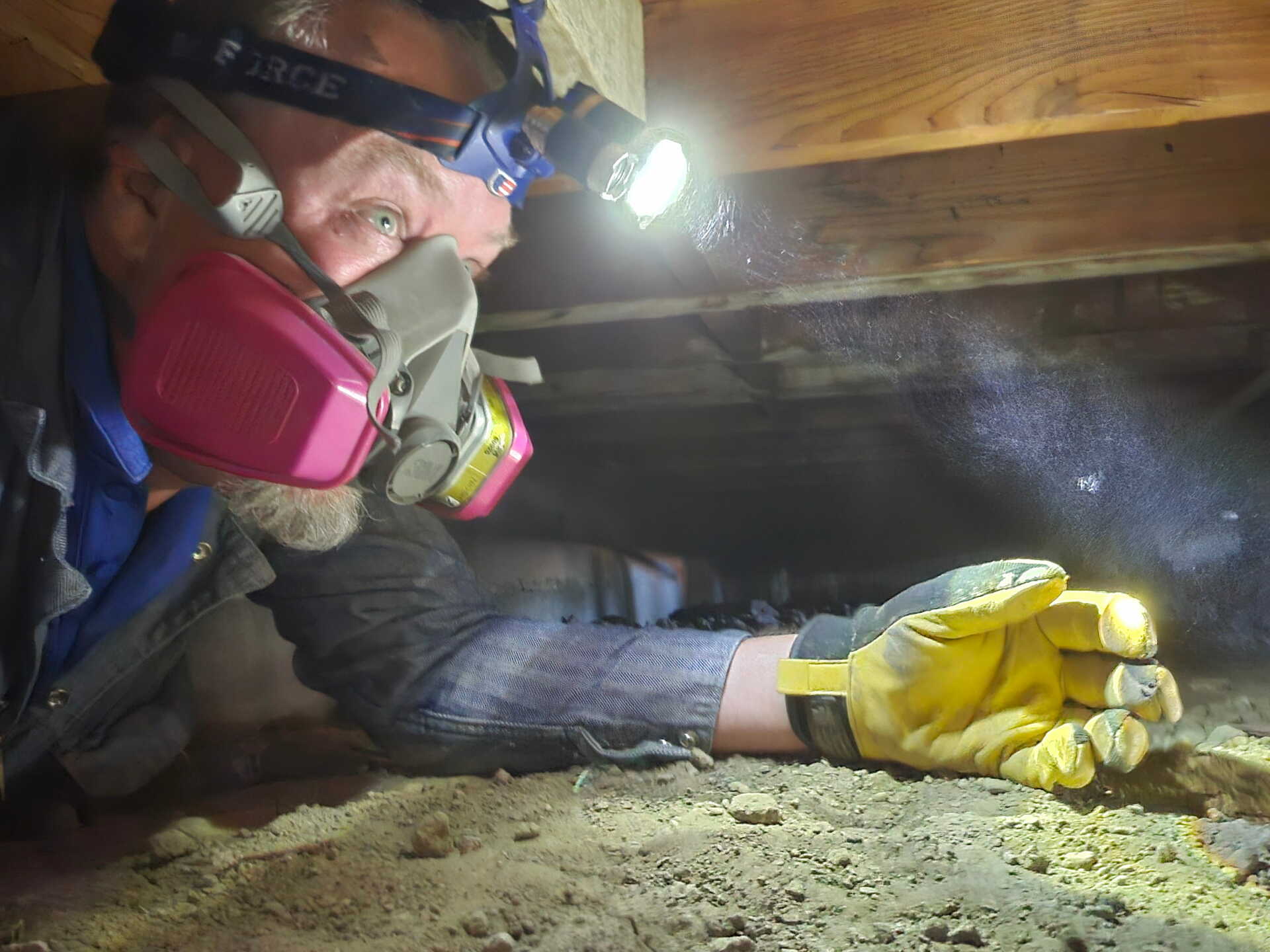
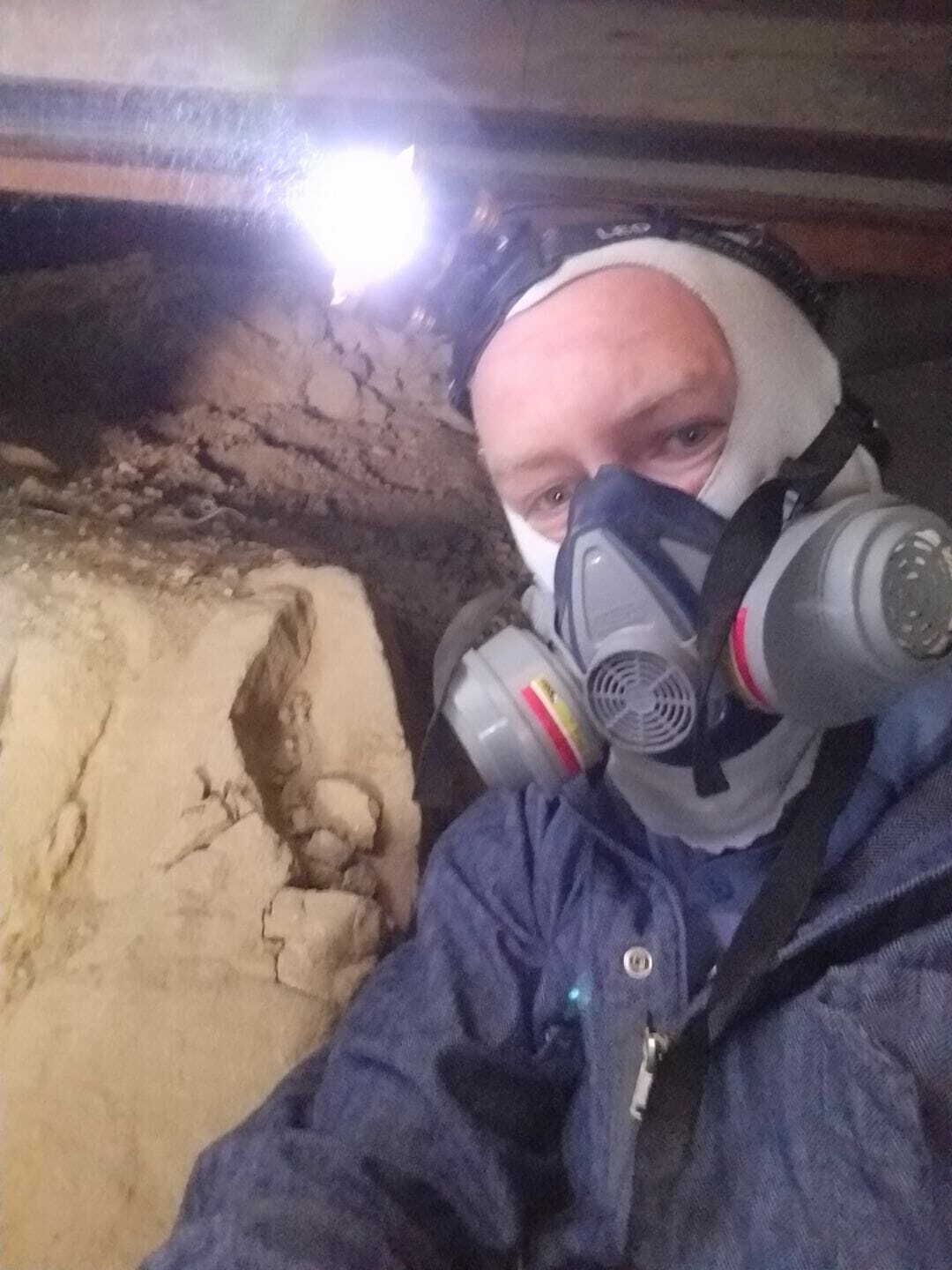
5 years running a one-man home inspection business
Zero vacations early on, with income tied entirely to his labor
A “best year ever” that still left his bank account nearly empty
Hitting the same ceiling 4 years in a row, stuck just under $1M in revenue
Finally hiring, building a team, and scaling past the $1M ceiling
This is the story of:
Why he got stuck
How he broke through
And how he changed his life
Here’s what you’ll get out of today’s newsletter:
Let’s dive in…
Why This Business Made Sense to Him
Ian grew up in San Francisco in the 70s and 80s, raised by a single mom who believed in the classic blueprint: school → college → job → stability. He followed it, mostly.
He went to college, dropped out, then came back and finished a business degree in finance. He thought the degree would be his ticket. It wasn’t really.
After graduation, he moved to Los Angeles to chase music. He wanted to make it or die trying. Then he met his future wife, stability started to matter, and, in his words, he realized, “I don’t want to die that badly.”
His pivot into finance happened almost by accident. While unemployed, he met someone at a party who mentioned her company needed someone with a finance background.
Months later, she got him an interview. The hiring manager was also a frustrated musician. They talked about music and football for an hour. Ian got the job.
It was a wholesale mortgage company, and it fit him immediately.
Ian has always had what he calls “a good eye for negative things,” a natural tendency to notice what’s wrong or at risk.
It had historically gotten him in trouble because nobody loves the person pointing out flaws. But he read a management book called Now, Discover Your Strengths. It reframed that instinct as a professional advantage. Not negativity. Pattern recognition. Diagnostics. Quality control.
And his company had a role built for it.
They funded loans, packaged them, and sold them to Wall Street. When Wall Street kicked loans back, Ian’s job was to sort through them: what was missing, what went wrong, whose fault it was, and how to fix it and prevent it from happening again.
He liked the work.
He also learned he loved real estate.
How a Fixer-Upper Turned Into a Business Idea
When Ian and his wife bought their first house, it was brutal: “four walls and a foundation,” as he put it. The roof was shot. The plumbing was shot. Everything needed work. They fixed it nights and weekends.
But Ian kind of loved it.
It was the first time he felt the contrast: “This is more fun than sitting in an office.” When they had a home inspection done on the property. Ian watched the process and thought, maybe I could do that.
It matched the way his brain worked: diagnosing problems, documenting them clearly, and reducing risk for other people.
Plus, it sat right inside an industry he had already grown to love.
He didn’t jump immediately, though.
The timing was awful. His mom passed away. The economy started to crash. His wife got pregnant. He talked himself out of starting a business and tried to make the “safe” path work again.
Then the safe path collapsed.
Why He Finally Took The Leap into Ownership
Eventually, Ian’s company announced it was relocating to another state.
No real relocation package was offered to him, though, and there would be a pay cut if he followed. Ian had a house, a wife, two kids, and a mortgage.
Plus, he thought, even if he worked another ten years and got laid off in his 50s, what then? He’d seen friends live that story.
That’s when ownership stopped being an idea and became a necessity.
So he made a decision that set everything else in motion.
He started his home inspection company so “nobody can lay me off again.”
Hitting the Same $1M Ceiling 4 Years in a Row
When Ian started his inspection company, it was just him.
He did everything: inspections, phone calls, reports, scheduling. If he didn’t work, the business didn’t make money. For five years, survival was the goal.
The mortgage got paid. Food stayed on the table. But it was fragile. Vacations were impossible. His family never traveled far because if Ian stopped working, income stopped too.
Then, before a brief camping trip, he tried a small experiment. He handed his phone to a neighbor and paid her to answer customer calls.
When he came back, his entire week was booked.
That was his first signal that demand wasn’t the constraint. He hired her. Then his first inspector. Then another. Slowly, the business grew beyond him.
By 2021, it looked solid. Six inspectors. Phones answered. Revenue flowing. Real estate was booming. Ian thought he had cracked the code to life.
Then the market cooled.
Demand dropped. People left. Ian stepped back into the field. It was humbling, but he rebuilt, stabilized, and grew the business back up.
That was when he noticed something else frustrating happening.
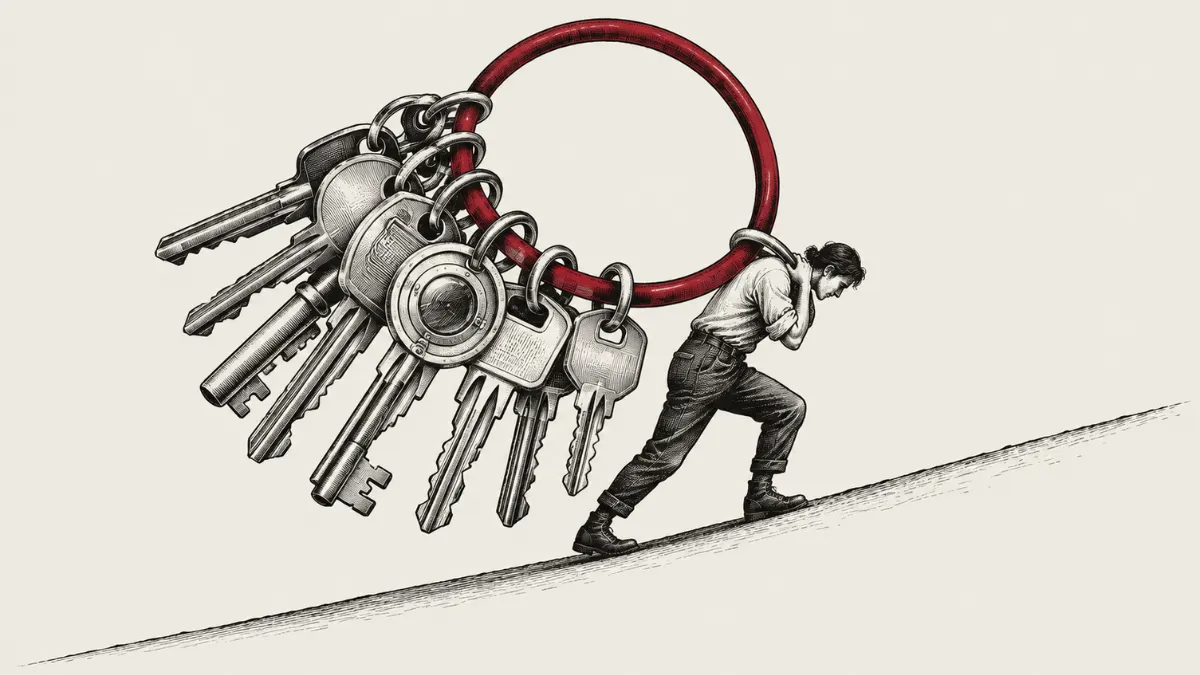
Every year felt like the year they were going to cross $1M.
And every year, it didn’t happen.
For 4 years in a row.
Ian was already in an advisory group at the time. It helped, but their guidance kept circling the same themes: mindset, vision, and effort.
“I could see where I wanted to go,” he said. “But it felt like there was a bridge with missing pieces.”
At the workshop, it quickly became clear to Ian that he had built a business optimized for activity, not value.
“Within the first 2 hours, the missing pieces started to fill in. My mind was blown. I was like, ‘Oh… this is what I’m doing wrong. This is what’s going on.’”
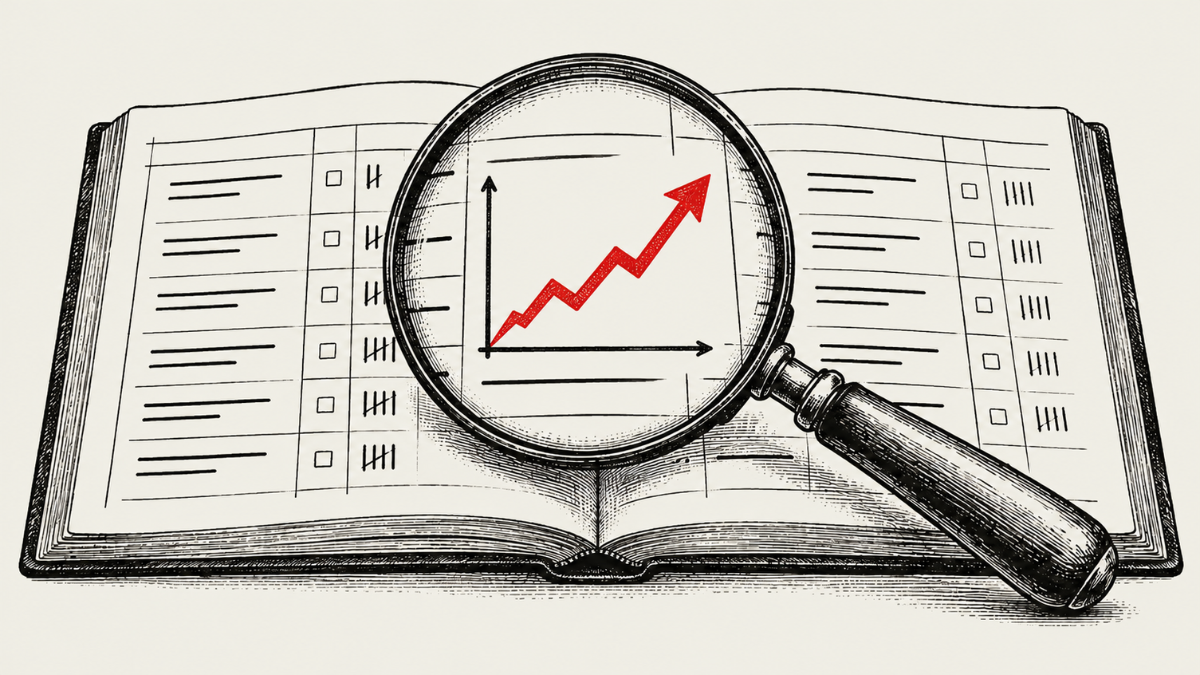
“I always looked at performance by the number of inspections,” he said. “Who gives us the most jobs. That’s how my software spits it out.”
That framing had pushed his time and money toward marketing to “average real estate agents” doing more, smaller, lower-margin deals.
This time, he sorted his customer list by revenue, not volume.
“And I went, oh.” A small group jumped to the top. Luxury agents. Bigger homes. Higher fees. More services per job.
“They may not give us as many inspections,” he said, “but they give us way more average revenue per customer.”
Large homes meant higher base prices plus pools, ADUs, guest houses, sewer scopes, and add-ons.
Sometimes Ian sent five or six inspectors to a single property. Because he had already built systems for teams, they could finish in a few hours what a one-man shop would take all day to complete.
“I always thought luxury was the icing,” he said. “But it was actually the cake all along.”
He went home and immediately met with his team.
“We decided we needed to stop doing a lot of the marketing we were doing. We were spending time, money, and energy marketing to the wrong people.”
They cut low-quality networking events, freed up sales time, and adjusted the website to clearly signal who the business was built for: large, high-end properties handled fast by a team.
The focus narrowed.
The business started to move.
Leaning into America’s K-Shaped Economic Trend
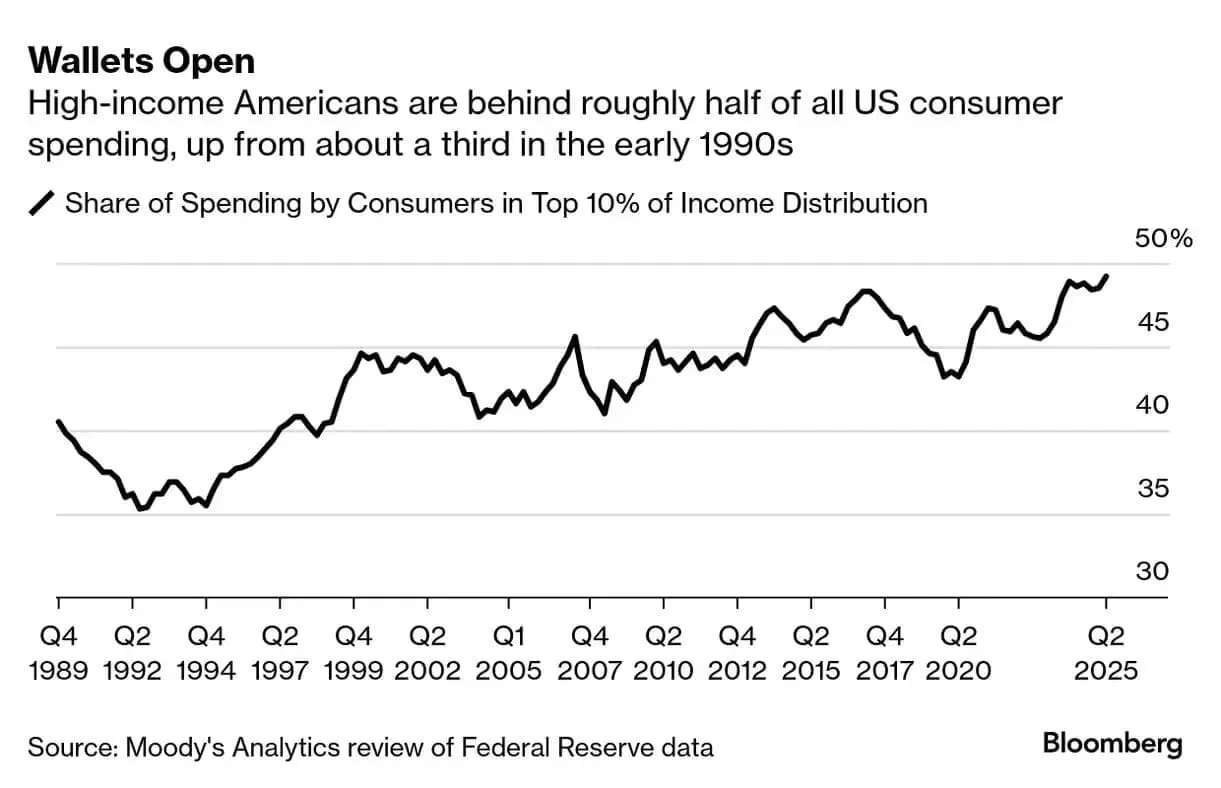
In recent years, inflationary pressure has constrained the purchasing power of the mass market, while the High Net Worth (HNW), asset-owning segment is proving to be ultra-resilient.
Macroeconomic data points to a sustained ”K-shaped” trend:
Upside: High earners with stock-based comp, companies in AI, chips, cloud, defense tech, and owners of appreciating assets (real estate, strong SMBs).
Downside: Low-wage workers hit by inflation, industries disrupted by automation, people locked out of homeownership, and small businesses without pricing power.
Logically, this suggests more businesses will look to move up-market in 2026. Put another way, more businesses will start “selling to the rich.”
In both our programs, we consistently see that businesses with better pricing power (the ability to raise prices without losing volume) are often the ones that weather volatility better.
Competing in a low-margin environment is very difficult. It’s built some of the biggest business empires (Walmart, Amazon, McDonald’s, etc). But, for smaller players:
That game is brutally competitive.
Scaling requires massive infrastructure.
Even the best eventually move into higher-margin products.
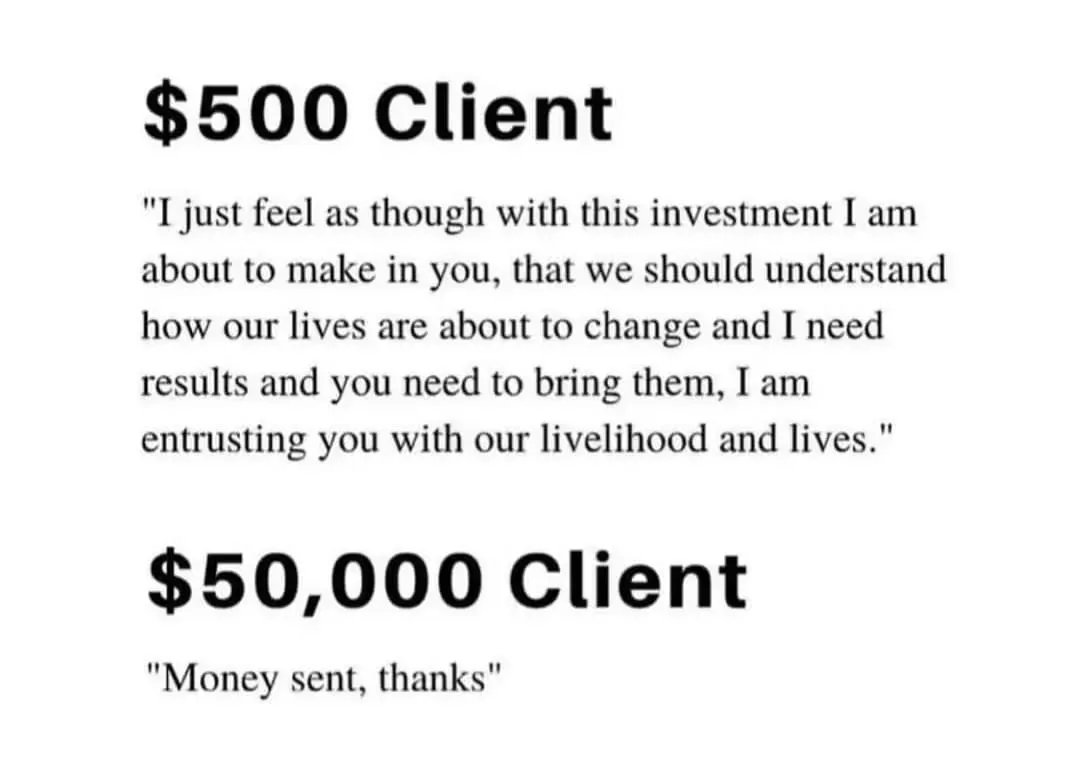
Expect to see more people targeting the top decile of the market with high-ticket, high-touch services. (Rich people want you to sell them something, remember that.)
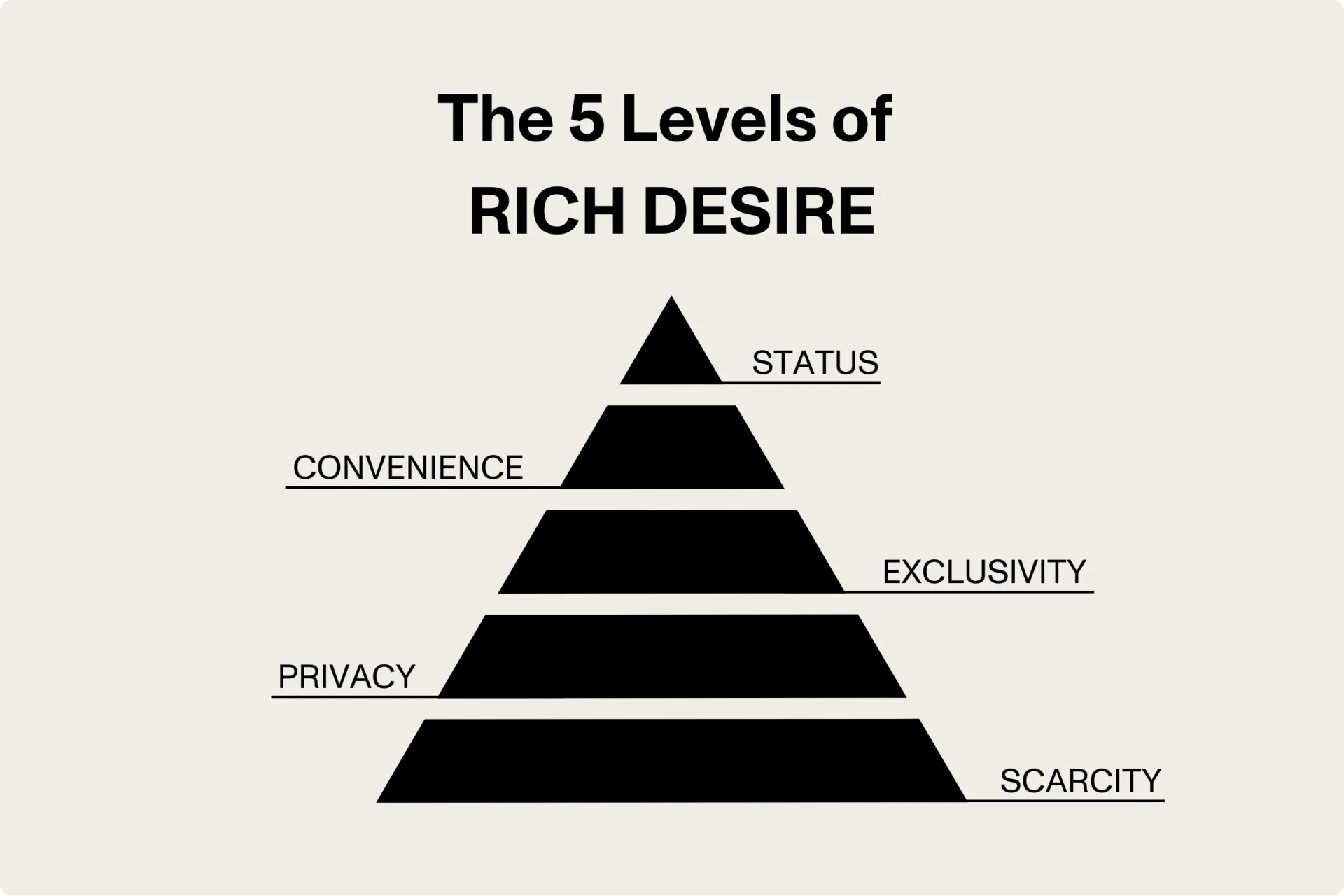
Also, there are 5 reasons rich people buy. Every single one falls into this hierarchy we call The Rich Desire Pyramid.
If you want to sell to wealthy customers in 2026, ask yourself: Does your offer hit at least ONE of these categories?
We certainly ask ourselves questions like this every day. Our programs are not cheap, but they offer extremely high value for those looking to scale or buy businesses.
The Focus Shift That Drove a 40% Jump in His Business
The first sign Ian’s shift was working came fast.
It’s not common, but almost immediately after the shift, Ian’s revenue spiked significantly.
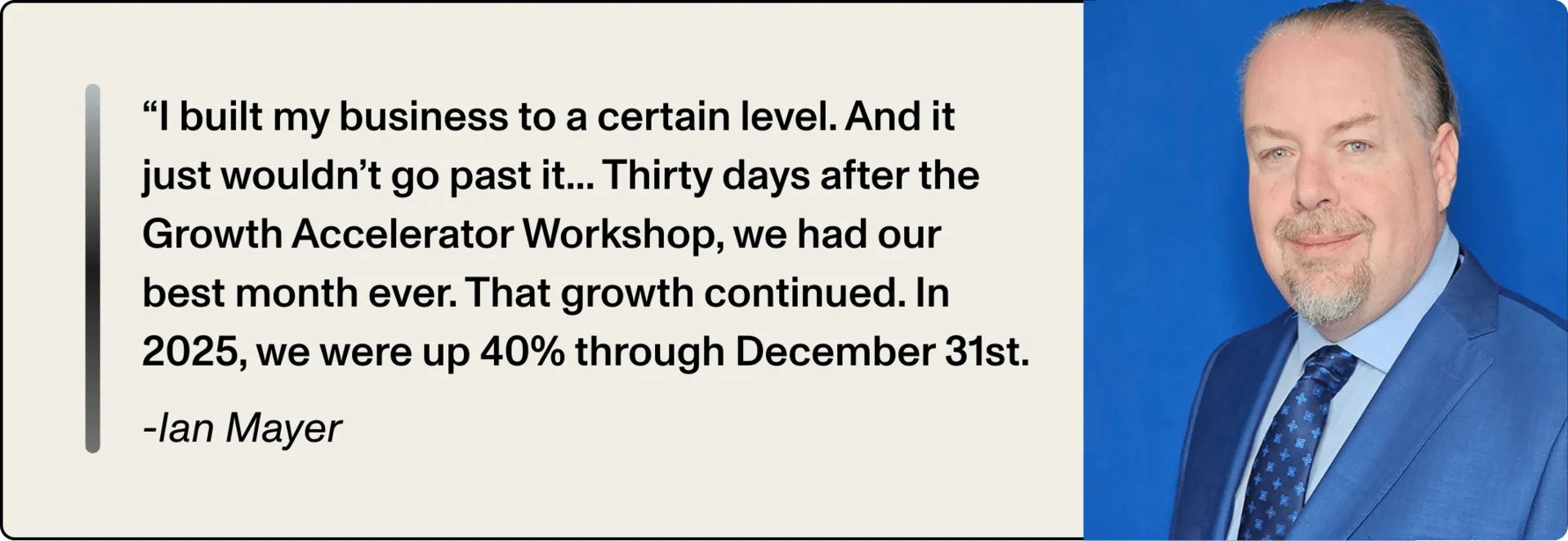
“Thirty days later, we had our best month ever. And I was like, ‘That’s crazy.’”
But the really cool part? Ian’s revenue stayed up month after month. He kept waiting for the drop. The moment when things reverted to “normal.” They never did. “In 2025, we stayed up 40% through December 31st,” he told us.
Even after the business turned, Ian noticed how easy it was to slip back into old habits.
A call comes in. Someone has a real estate license. It feels rude not to engage. It feels like leaving money on the table.
“I still catch myself,” he said. “It’s easy to get dragged back into the weeds.”
But now, if a customer doesn’t fit, he doesn’t take the meeting. If a job doesn’t fit, it doesn’t get squeezed in.
Before, everything felt reactive for Ian.
Phones ringing. Jobs stacking up. Bouncing between inspections, payroll, marketing, and whatever fire was loudest that day. The business may have moved, but it never felt stable, let alone growing.
Now, focus is concentrated instead of scattered.
Fewer target customers. Larger jobs. More predictable revenue per booking.
With space to think, Ian’s role has changed.
“Now I’m better off thinking about long-term strategy than staring at a sink on a job site. Every month, more people tell us they found us on ChatGPT. It started as a trickle. But I see where it’s going. That’s a direct result of me having more time to focus on strategic projects.”
With the business stabilized, Ian’s bar has moved up.
To him, the 60% growth target he set for himself this year feels aggressive, but achievable. The team is in place. The systems are there. His time is finally spent on the right work.
“I don’t know exactly how we’ll do it,” he told us. “But I’m confident we can.”
For Ian, time matters more now. His kids are growing older. His window feels real. “I’m not getting any younger,” he put it. “Life’s finite.”
He can see the next chapter approaching, which makes the current one more critical.
For years, his vision was ahead of the business. Now it actually supports where he wants to go.
We’re helping Ian build toward that end-goal, and we’d love to help you, too.
Want to join thousands of smart business builders and buyers?
The information contained here is educational, may not be typical, and does not guarantee returns. Background, education, effort, and application will affect your experience and the profitability of any business.











.svg)


