You're not stuck, you're just alone at the top. Most entrepreneurs hit a ceiling, not because the opportunity isn't there, but because you're solving $10M problems with $1M strategies.
We highlighted some wins inside the community at our morning meeting today, and one of them was just too good not to share.
The main lesson applies to almost every Main Street business we see: what do you do when the phones stop ringing during slow season?
Here’s the story.
The Turnaround
We aren’t naming any names (we’ll save that for the full feature) but one of our members has a tree company. Their fiscal year runs October through September, and when they joined Boardroom back in March of this year, it looked like they’d only make about half of what they did in 2025.
Fast forward 4 months and they’re reporting big enough numbers they’re tracking to beat last year’s revenue by nearly 20%.
Here’s what we helped them turn that around:
Promote. They started sending a newsletter to their customer database, and told us about 60% of their new customers come from their sends.
People. They hired more crews and more sales staff.
Profit. They brought labor down as a percentage of revenue, which freed up cash to reinvest.
Great story. But here’s why we really wanted to share it with you TODAY. It’s the end of summer and some of your businesses are about to slow down…
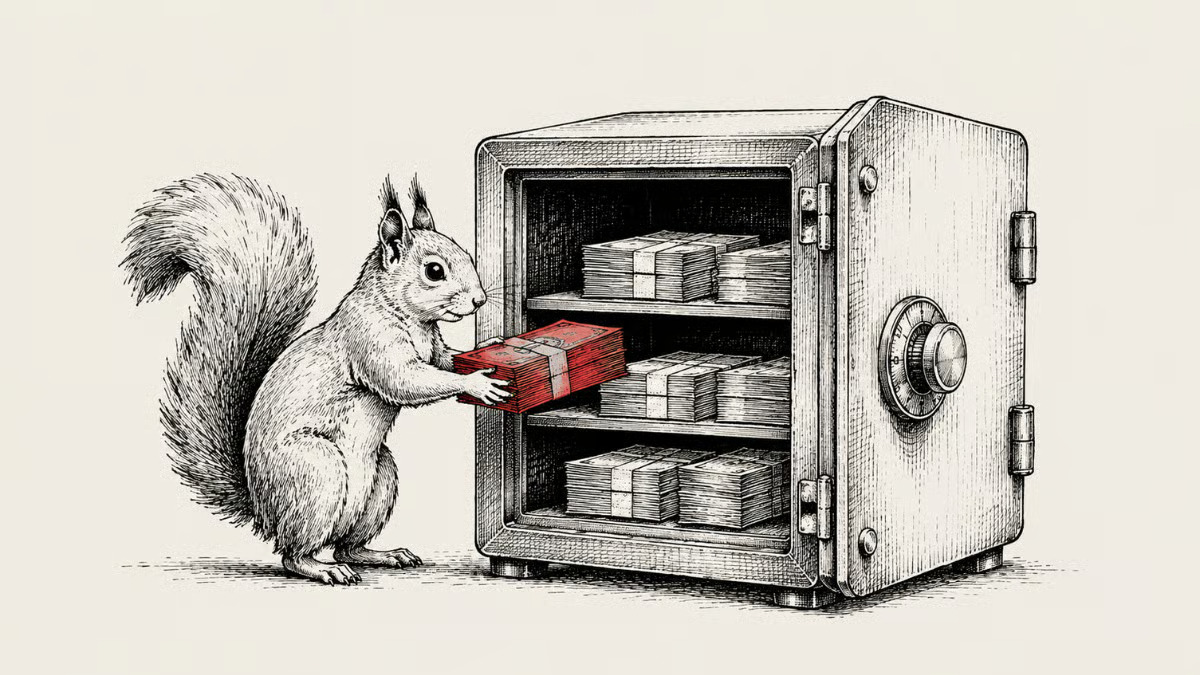
Tree work in New Hampshire is seasonal. When the ground freezes, the phones cool off and the crews hired in July still want paychecks in January. And like a squirrel who sees the first leaf turning brown, seasonal businesses have to survive the winter by stuffing cash in their fuzzy cheeks and getting creative.
So let’s gather up some nuts and get ready for slow season.
Lesson 1: Your January problem gets built in August
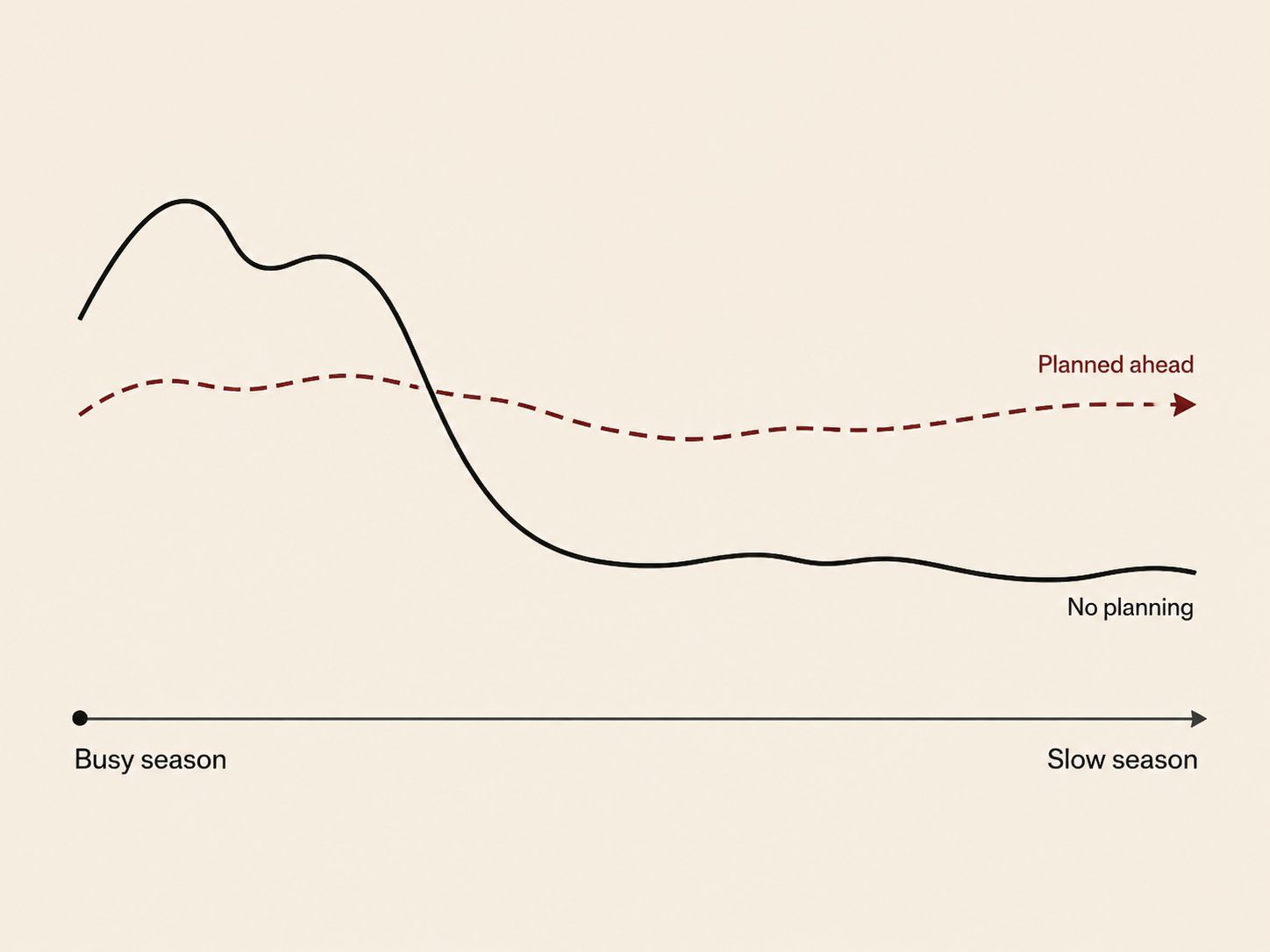
Cash crunches only happen when you fail to plan.
Most owners spend based on a normal month. So when the off-season hits, payroll suddenly feels a little heavier than they expected.
The fix? Treat your busy months like harvest season:
Bank a fixed % of every busy-month deposit into a separate slow-season account. If you can, do the math to figure out how much each month needs to bank and automate it.
Audit your overhead before the slowdown, not during it. Equipment leases, software, storage, seasonal staffing. If it doesn’t earn its keep in the off-season, pause it or renegotiate it.
Know your monthly nut. The bare minimum it costs to keep the lights on. That number tells you exactly how many months of runway you’re saving for.
There’s a second move most owners never think about: make some of your costs seasonal too.
Katie and John bought Rubber Dockie, a 20-year-old water mat brand in South Dakota, and structured the deal in a way worth stealing. Half the $2M price came from a bank loan; the other half is a revenue share with a floor, so the seller only gets paid once revenue clears a threshold.
In a soft quarter, that obligation shrinks automatically.
And while you can’t restructure a loan you already signed, you can decide which of your costs flex with the season and which ones don’t.
The lesson: Save when it’s easy so you can operate when it’s hard. The best time to prepare for winter is when you’re sweating.
Lesson 2: Bring the work indoors
Slow season doesn’t have to mean no season. It just means your main offer is out of bounds.
So ask: what does my customer still need when my flagship service goes quiet?
Landscapers plow snow and hang holiday lights.
Pool companies service hot tubs.
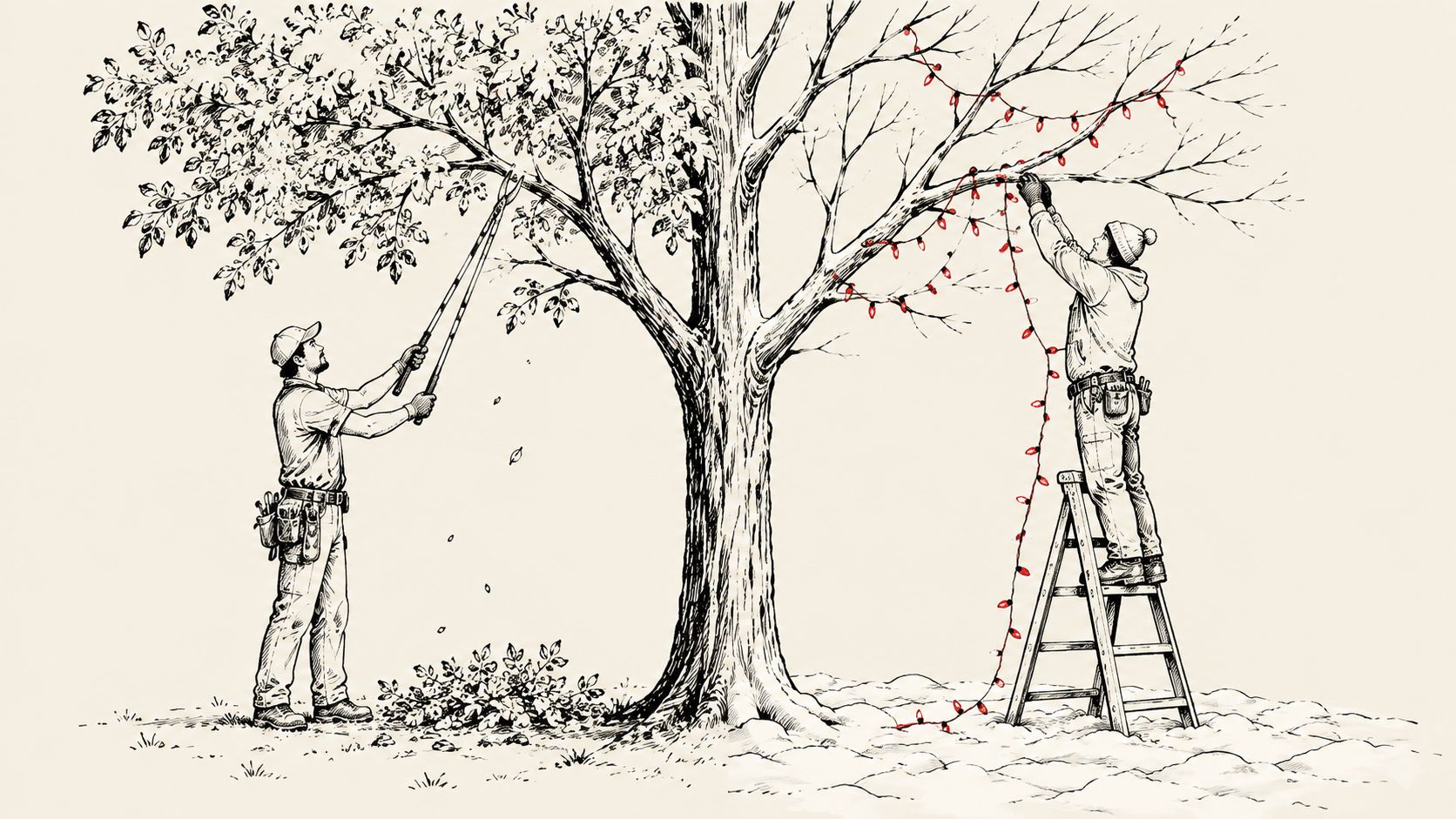
Tree crews do dormant-season pruning, sell firewood, and take on winter removals.
Fun fact from the tree world: frozen ground means heavy equipment does less damage to lawns. So winter removals are a genuinely better product for some customers, but most owners never pitch it that way.
Your off-season offer is probably hiding inside a skill, a truck, or a crew you already have.
The lesson: You don’t need a new business for the off-season. Just find a second use for the one you’ve got.
The member we’re celebrating today is using the exact system Codie teaches in Own or Be Owned to scale their business.
And if you want to learn that system for FREE, you can do it HERE.
Fair warning, if you show up to the live, virtual event, you could walk away with part of $1M in cash and prizes…
So only show up if you think your bank account has room, mmkay?
Lesson 3: Give your summer customers a winter reason to call
One of the keys to surviving your slow season is getting your customers to buy from you even though you aren’t top of mind.
After all, who thinks about getting that stump removed while it’s covered with 3 inches of snow?
Here’s where that newsletter really earns its keep.
The tree service company built a database of every customer they’ve served, so come winter they could still follow up with deals:
Off-season pricing. “Book your removal this winter and save.” Your crews stay busy, the customer gets a deal, and you smooth out revenue.
Pre-booking. Sell next spring’s work now with a deposit. Cash today, pipeline tomorrow.
Bundles. Pair the peak service with the off-season one. Summer trim + winter inspection.
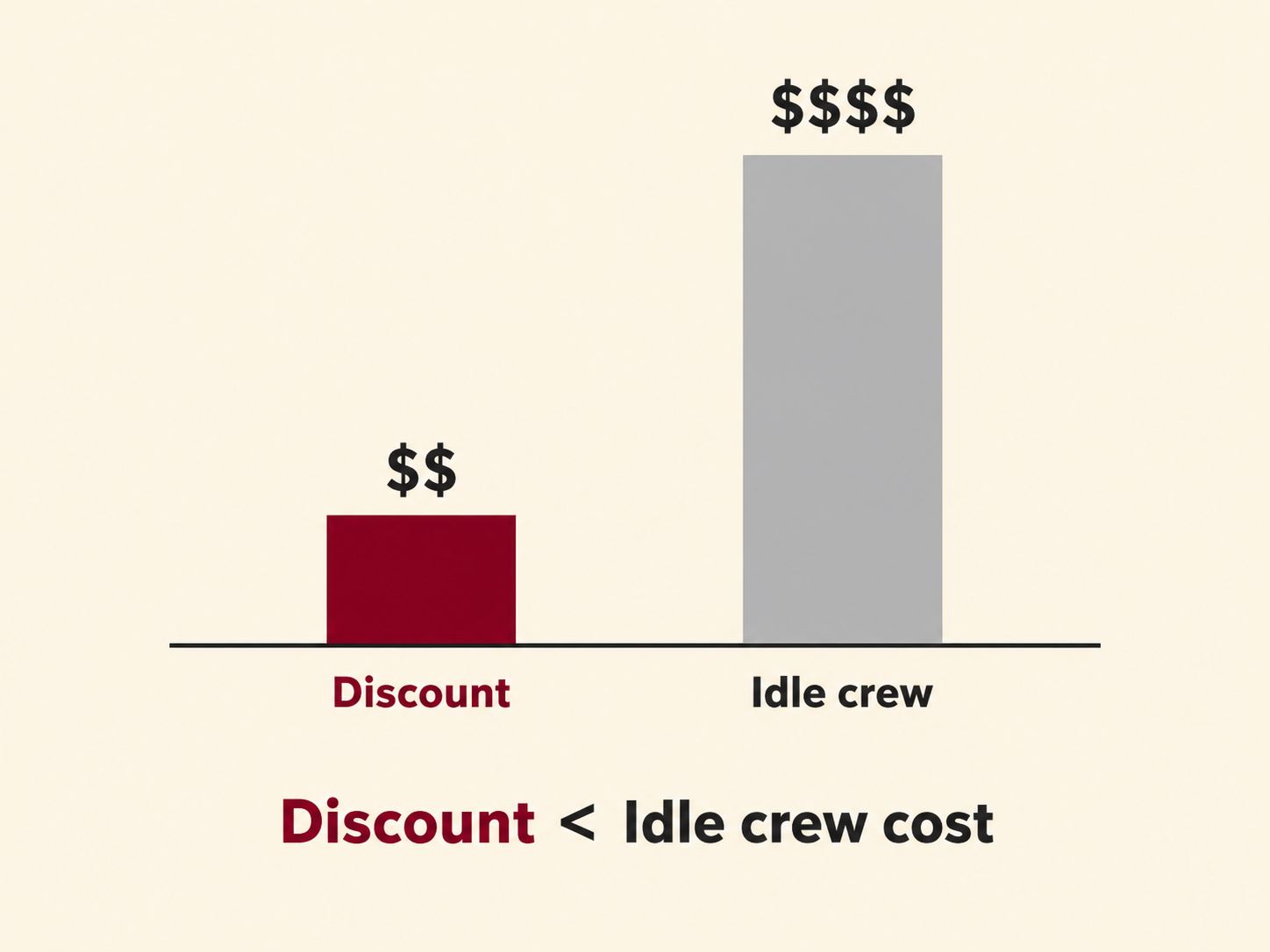
The discount costs less than an idle crew.
The lesson: An empty calendar is a cash flow problem. Your best customers will fix it if you give them a good enough reason.
Lesson 4: Run the 13-week cash flow forecast
If you do nothing else from this edition, do this.
Open a spreadsheet and put the next 13 weeks across the top.
Then 3 rows:
Cash in (what you expect to collect each week)
Cash out (payroll, rent, loan payments, suppliers, everything)
Ending balance (last week’s balance + in, minus out)
Takes you 30 minutes, once a week.
If week 9 goes red, you just bought yourself 2 months to fix it. Chase receivables, delay a purchase, push an off-season promo, or line up a credit line while banks still like your numbers.
Owners who run this never get ambushed by a slow season, because they saw it coming from 13 weeks out.
Ask Tania, who runs a tour and transportation company across the Hawaiian Islands. When she pivoted to cruise ship contracts, the work started before the payments did, leaving a 2-month stretch with money going out and nothing coming in.
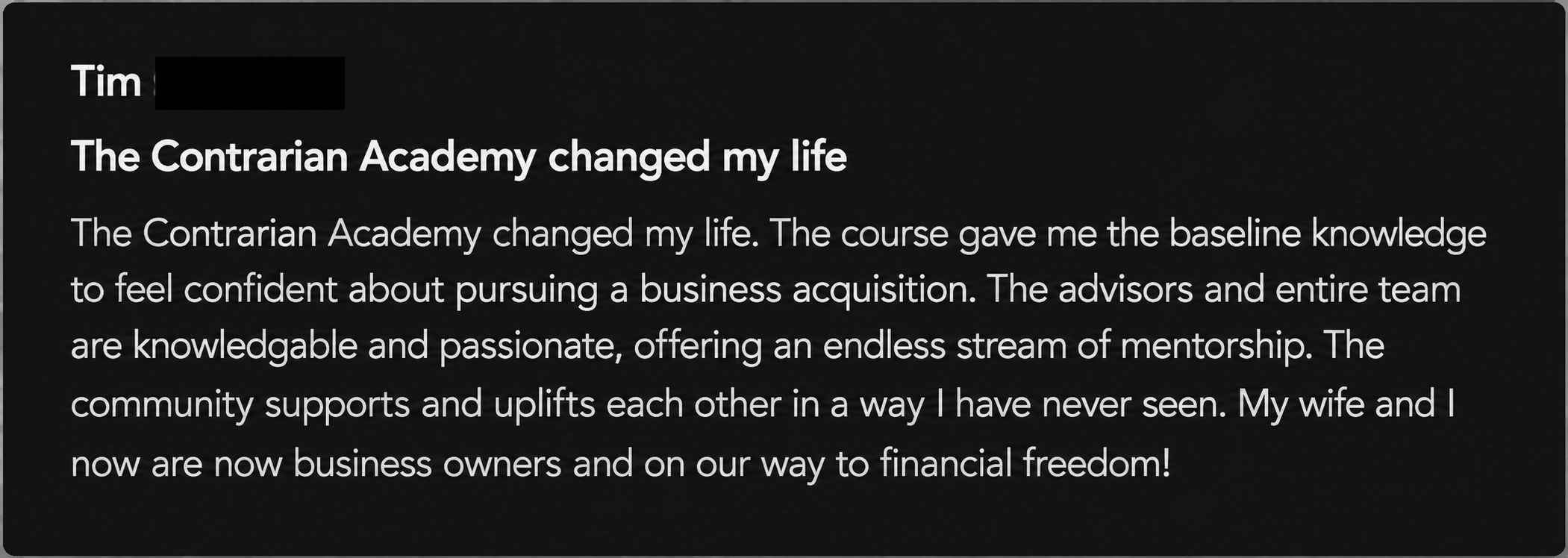
She built the 13-week forecast and used it to decide what got paid now and what could wait, saying, “The 13-Week Cashflow spreadsheet is a game changer for my business. This tool has completely changed how I look at our revenue and expenses. It has enabled me to better plan necessary vs optional expenses each week and know that I will not run out of funds. Thank you, Contrarian Team!”
Her gap came from a new contract instead of a frozen calendar, but the math works either way.
The lesson: Slow seasons don’t kill businesses. Surprises do. And you can’t be surprised if you’re prepared.
End of the Season
Winter comes for every business. Retail has February, accountants have summer, tree companies have frozen ground all winter.
The owners who come out the other side made their slow season decisions back when they were flush.
It only took 4 months for the tree company we highlighted this morning to rebuild how they promote, who they hire, and where the profit goes. And now they get to spend the off-season executing a plan instead of surviving a drought.
That’s the difference ownership makes when you run the business instead of letting the calendar run you.
- Team Contrarian
P.S. THIS is how you make sure you own your business, instead of letting it own you.
FROM THE COMMUNITY
Want to join our groups of thousands of smart business builders and buyers?
The information contained here is educational, may not be typical, and does not guarantee returns. Background, education, effort, and application will affect your experience and the profitability of any business. Individual results may vary.














.svg)


