You're not stuck, you're just alone at the top. Most entrepreneurs hit a ceiling, not because the opportunity isn't there, but because you're solving $10M problems with $1M strategies.
As the year starts to wind down, I always look for contracts coming up for renewal. And that got me thinking about something Bezos used to do…
Amazon printed “Please don’t take this offer” across the top of a memo it handed every warehouse worker. Once a year.
The offer? Cash to quit. $2,000 the first year, plus $1,000 every year after, up to $5,000.
Amazon hoped they'd say no.
So why make the offer at all?
Bezos explained it in his 2014 letter to shareholders. Over the long run, he wrote, someone stuck where they don't want to be hurts themselves and hurts the company.
So once a year, every worker got to look at real money on the table and answer 1 question.
Do I actually want to be here?
Amazon borrowed the idea from Zappos, which made a version of the offer to new hires before they'd even finished training. Amazon ran it for years before eventually pausing it.
Most people file this under a quirky HR tactic.
But look closer. There’s 2 big reasons this tactic is GOLD for owners.
Reason 1: A Check Is Cheaper Than a Checked-Out Employee
Picture the guy on the line who stopped caring 6 months ago.
He still clocks in to do a half-hearted shift, complain to co-workers, and collect his check every month.
Think about the math from Amazon's side. Every year he stays, they pay a full salary for mediocre effort. And his toxic mood spreads like a virus to the people next to him.
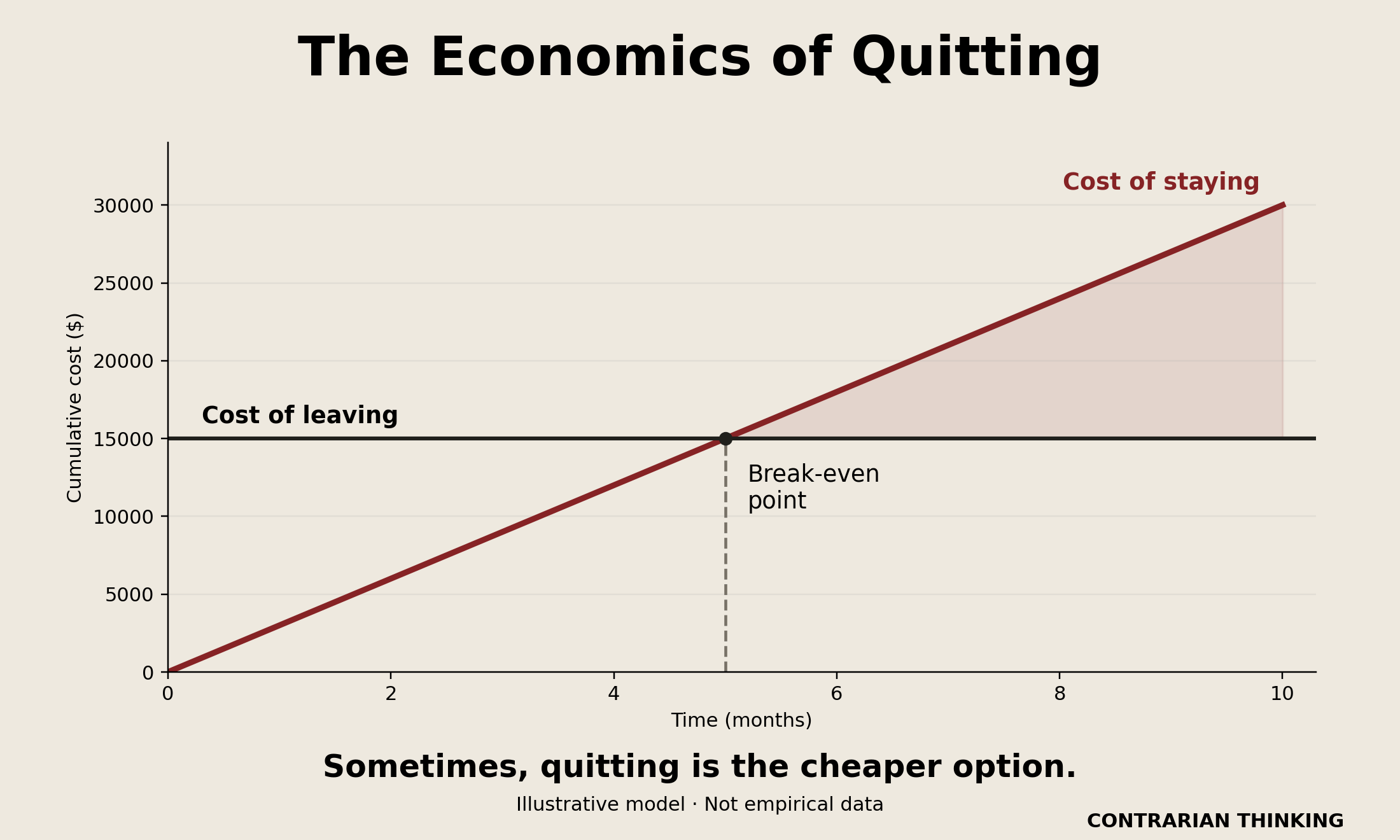
If you’re paying an employee $50,000, a one-time check, capped at $5,000, costs less than another year of paying someone who’s already mentally out the door.
Pay once, or pay forever. Easy call.
Reason 2: It Put a Price Tag on Staying
The second reason is less obvious.
Once a year, every worker had a chance to take the cash and go, or turn it down and stay.
Turning it down cost real money, and passing up that check was a choice.
So the people who stayed weren't stuck. They'd looked at the money and decided the job was worth more to them over the long run.
Now turn that on yourself.
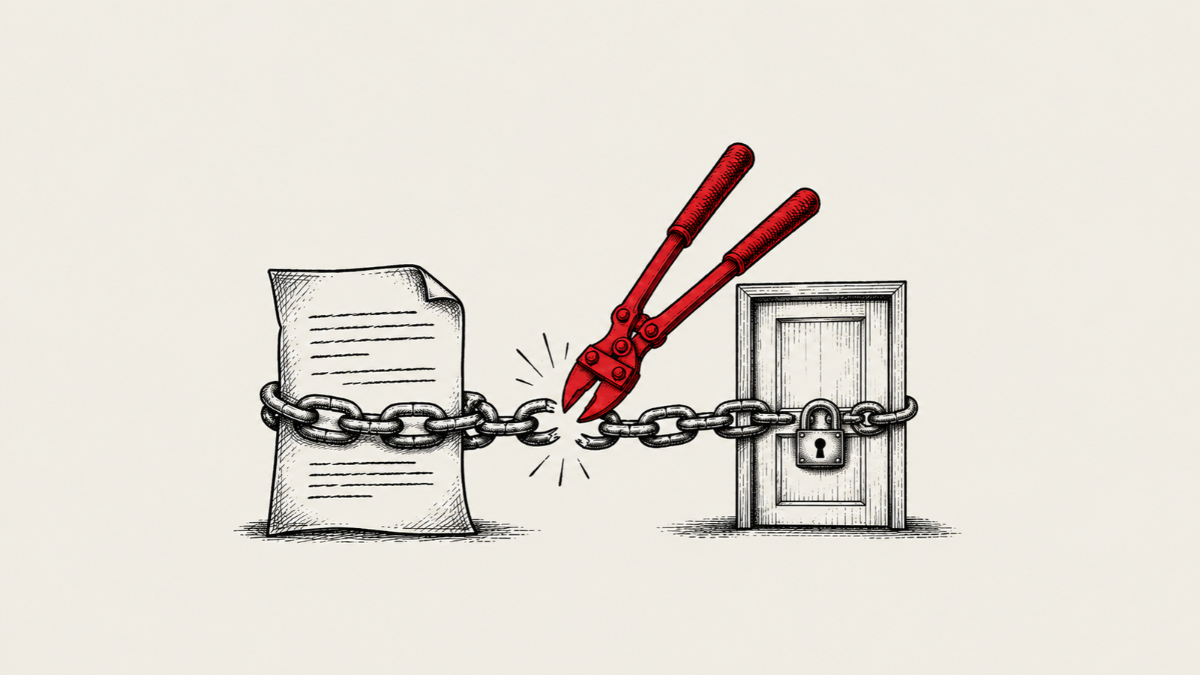
If you’re an owner, you’ve got a lease, a loan, a vendor contract, and clients with contracts you’re legally obligated to fulfill.
Do you know what it costs to walk away from any of those?
Most owners don't. We price the way in down to the penny. We almost never price the way out.
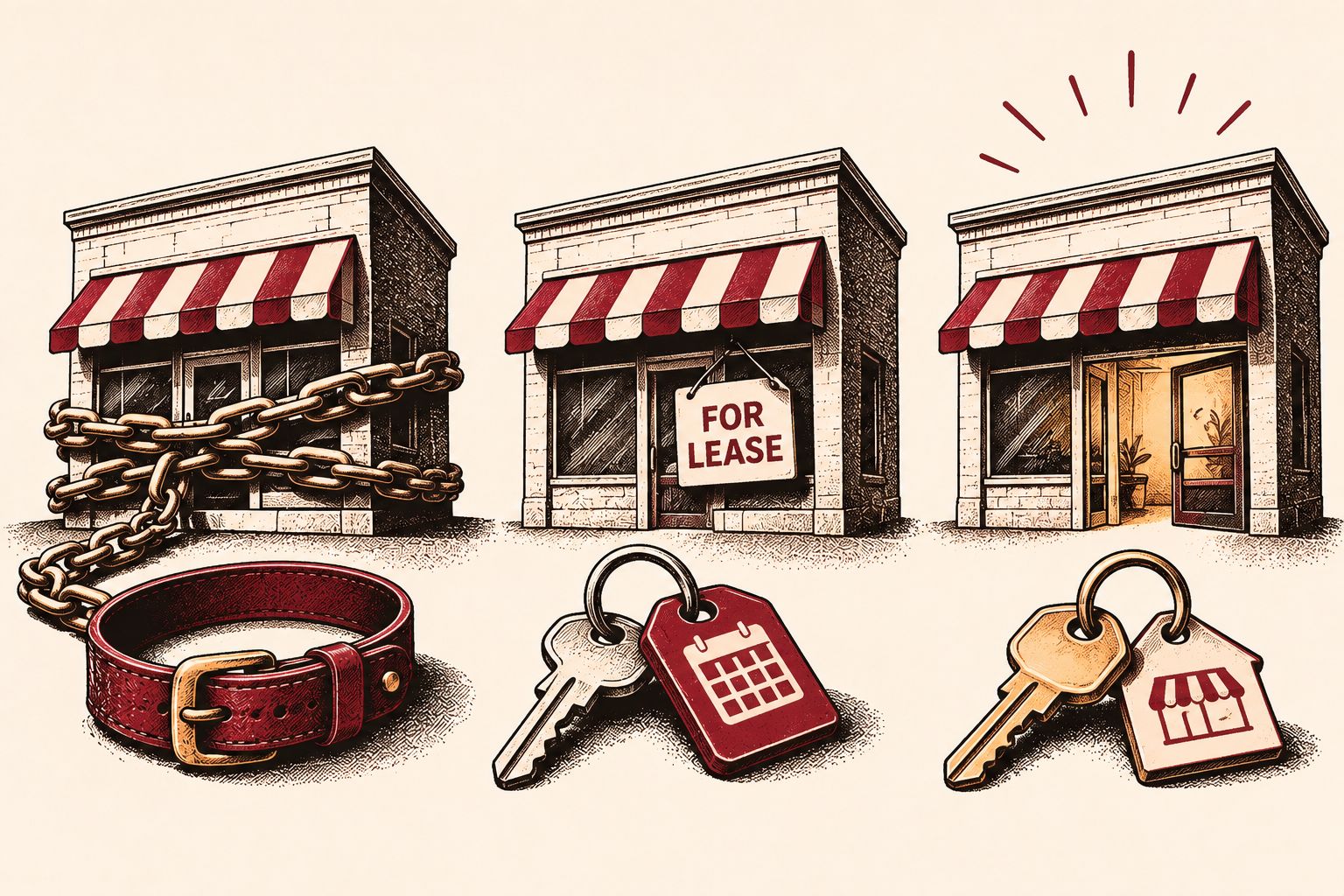
Every Commitment Has 2 Prices
There's the price to get in. And there's the price to get out.
We call the second one The Kill Fee.
It hides in the lease break penalty and the auto-renewal with 90 days' notice.
Some Kill Fees never even show up on paper.
The handshake deal on the scope of work
The 1 customer who's a scary chunk of your revenue
The employee who's the only one who knows your suppliers
Nobody signs a lease planning to break it. That's exactly why the number blindsides them.
Amazon showed its people the exit price every year, but nobody's showing you yours.
It’s part of why our advisors in The Academy and The Boardroom work so hard to help review your deals and contracts. These are the kinds of “hidden” fees most first-time owners miss.
Why Owners Stay Too Long
Let’s say you’re in month 8 of a 3-year lease. Road construction kicks up outside your door, and foot traffic falls off a cliff. The city says the work wraps up in 2 years.
You pull the lease out of the drawer and find the early termination clause. The number makes your stomach drop.
Then a second voice kicks in.
"I already paid for the buildout. The signage. 8 months of rent. I can't walk away now."
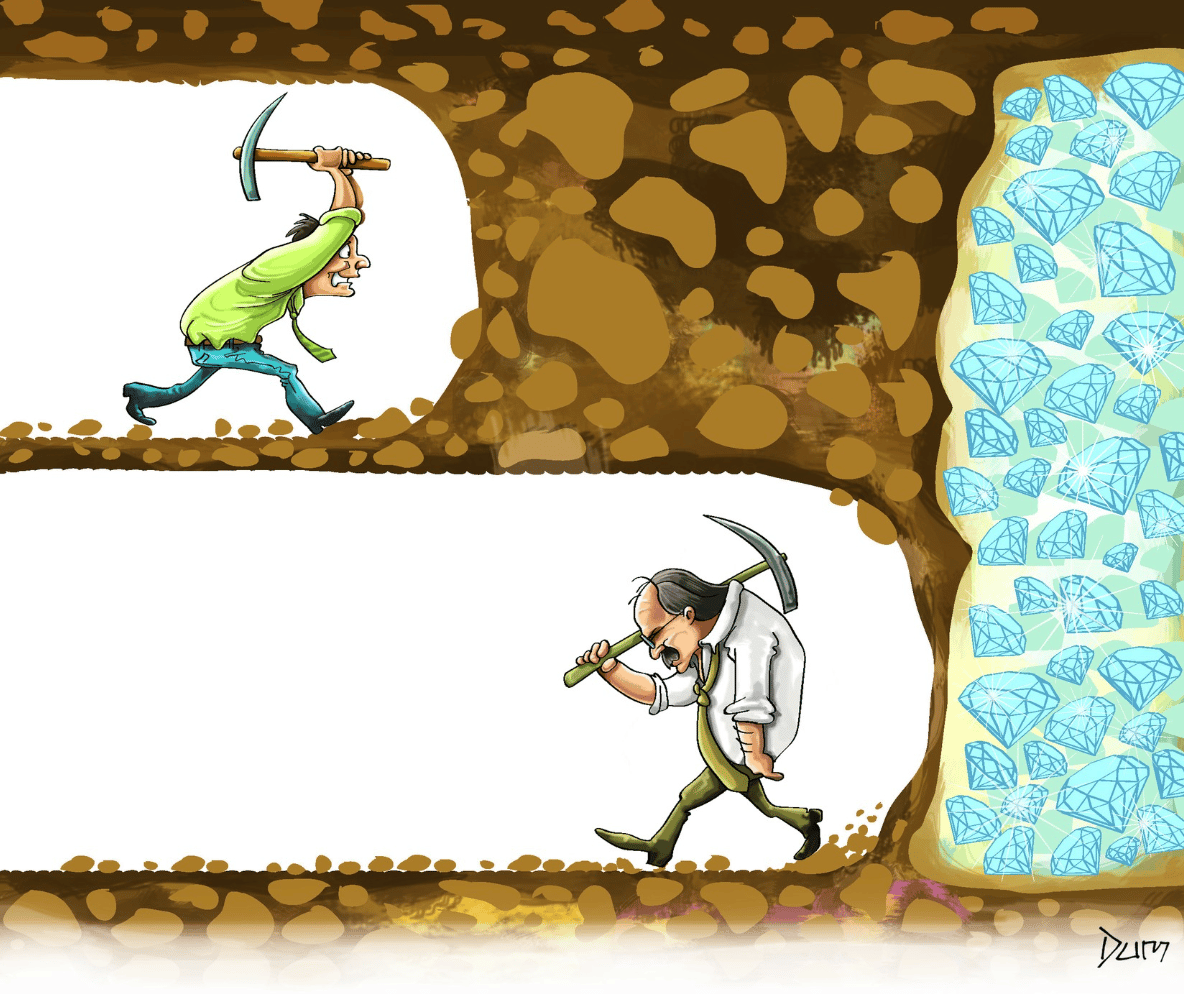
That's the sunk cost fallacy. You keep pouring money into something because of how much you already poured in.
The buildout money is gone either way. Staying doesn't bring it back, but leaving doesn't either.
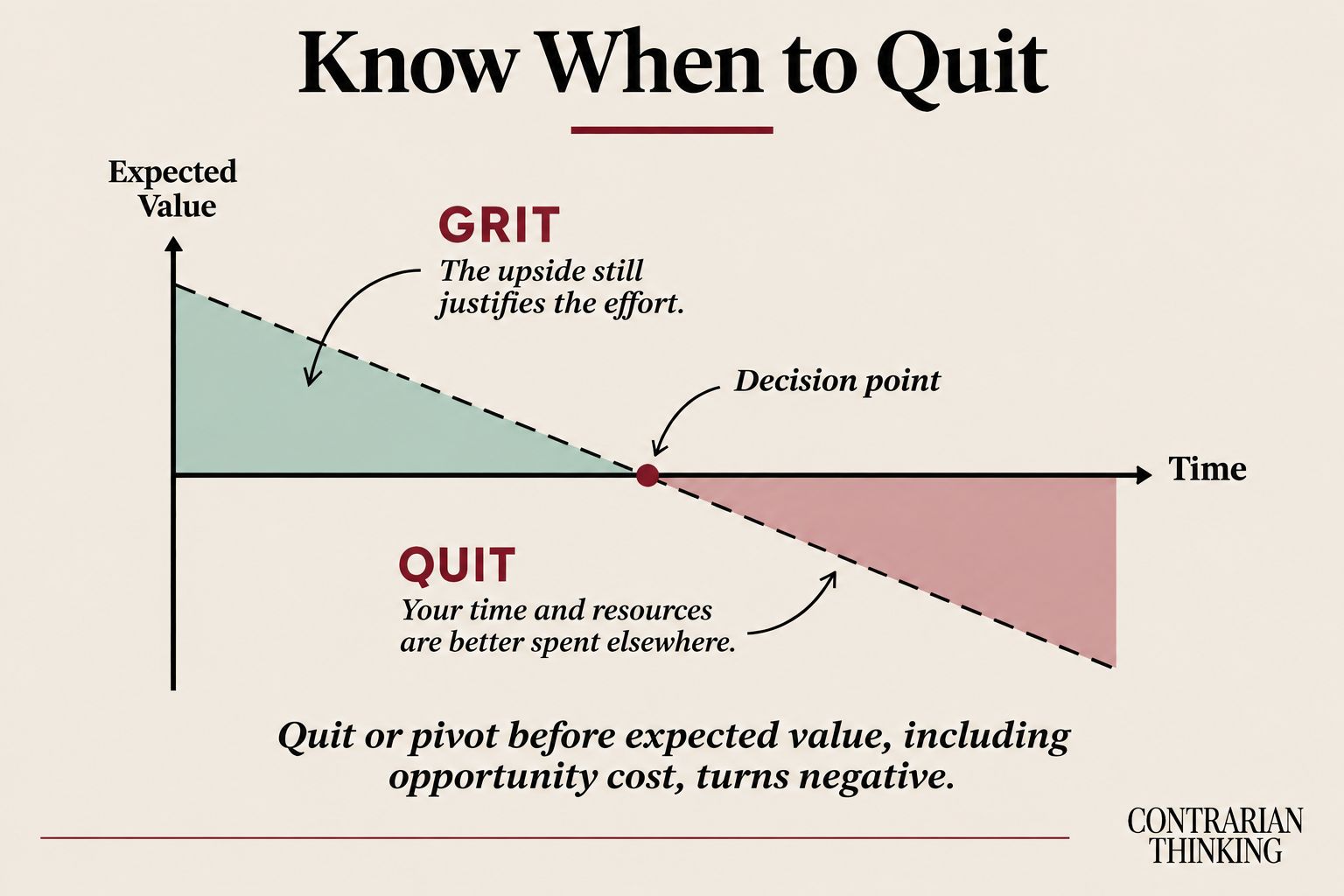
The only question that matters looks forward. From today, what does staying cost? And what does leaving cost?
That's the exact question Amazon's offer forced.
Most owners never ask it, so they stay. Out of obligation, stubbornness, or naiveté. It doesn’t matter. The tenacity that got you in can prevent you from finding the way out.
So now you're paying a different price every month. In rent, in Sunday nights you don't get back, and in the sick feeling in your stomach telling you you're stuck.
Inherited Kill Fees
When you become an owner, you get the revenue and the customer list, yes. But you also get every Kill Fee the seller ever signed.
The 7-year equipment lease
The supplier deal with a brutal exit penalty
The landlord clause that's about to have your name on it
Sellers rarely bring them up, because they’ve usually never thought about them.
So if you haven’t bought a business yet, in diligence, list every recurring contract and write the Kill Fee next to it. Ugly number? Good. Now you've got something to negotiate with.
Already an owner? Time to audit.
The Kill Fee Audit
Run this on your business, or on the one you're looking at.
Step 1. List your 5 biggest recurring commitments.
Lease, software, vendors, retainers, loans. Anything that renews without you touching it.
And you might have to look deeper. Our advisors in the Boardroom recently helped an attorney find software seats (being charged monthly) eating up cost that billable hours weren’t fully covering.
If you were trying to buy that business, you’d be on the hook for those seats! So make sure you look into every expense.
These are the types of expenses that can go unnoticed for months, and bite you in the butt when you try to terminate a contract before renewal.
Step 2. Write down what it'd cost to walk away from each one in month 6.
Read the clause or make the call. If you can't find the number, assume it's expensive.
Step 3. Add them up.
That's your Kill Fee. It might be the most important number in your business you've never written down.
Here's how to read it:
You could cover it tomorrow. You own the business.
You'd need 6 months. You're renting your own company.
You have no idea. Buy yourself a dog collar. That business owns you.
Forget what you've already spent. Pretend someone hands you a check for your full Kill Fee today.
Would you take it?
If you'd grab it and bail, you just learned something big about this business. Namely: it’s time to get out.
But if you'd hand it back, good. You're staying on purpose. Now it’s time to work.
Real quick,
If that dog collar line stung, the Kill Fee probably isn't the only way your business owns you.
I got a gift for ya...
The Owner Score is a free 74-question diagnostic. It scores your business across the 12 places owners get trapped and shows you the one that has the tightest grip on you.
Find the Exit Ramps
Before you sign anything recurring, ask what it costs to get out. Then ask for better. An early termination clause. A 1-year term with a renewal option. A 30-day out on the software.
Signing day is the only day you hold all the cards. They want your signature. Make sure you get something you want too.
Running a business requires risk, but there’s no reason to take on more than necessary.
Nobody's Coming to Save You
As the great Kenny Rogers used to sing, “You gotta know when to hold ’em, and know when to fold ’em.”
If the upside is worth it, go ahead and hold on.
But if you find yourself holding out for a miracle, take a walk and have a good long think…
Because nobody's going to hand you a check when you’re drowning. So you need to know what it costs to swim to shore.
Amazon put a number on the door once a year, hoping no one would take it.
No shame to the people who left. Everyone has their reasons. Sometimes it’s cash to cover a necessary expense, and sometimes it’s to save their sanity.
But those who stayed knew exactly what they'd turned down. That's what made staying mean something.
Figure out your Kill Fee and decide if it’s worth it either way.
Because ownership isn’t just about scaling to a big exit, even if that’s your ultimate goal.
It’s about knowing when to move on with enough left over to try again.
-Codie
P.S. What's the worst Kill Fee you've ever paid (or almost paid)? Hit reply and tell me. We read every one.
P.P.S. If your Kill Fee number made your stomach drop, come work on it with us in person.
We’ve still got room at January’s Growth Accelerator Workshop here in Austin. You bring your numbers, then we sit down with you and owners in your revenue range and find the 1 move that matters most.
It's for owners doing $500K+ a year, and we're picky. See if you're a fit → Apply here
The information contained here is educational, may not be typical, and does not guarantee returns. Background, education, effort, and application will affect your experience and the profitability of any business. Individual results may vary.
Thinking about buying a business? Learn how in Codie's free live masterclass.
A two day, in person workshop in Austin with the Contrarian Thinking team. Find hidden profits, close the gaps in your business and map the steps to grow revenue.