You're not stuck, you're just alone at the top. Most entrepreneurs hit a ceiling, not because the opportunity isn't there, but because you're solving $10M problems with $1M strategies.
Buying a Commercial Cleaning Business: A $2M Janitorial Deal
October 7, 2025
11 min read
From the Main Street Minute newsletter, originally sent October 7, 2025 as "Would you buy this $2M cleaning business?"
Quick answer: A commercial cleaning business is worth buying when contracts are sticky, books are clean and you understand the labor model. Brad, who spent decades in pharma and biotech manufacturing, pursued an off market janitorial company doing about $1.6M in revenue and $500k in SDE that came through his banker. His offer was roughly 3.3x SDE. The seller picked him over higher cash offers, financing cleared and the deal closed about three months after the LOI.
Watch: Codie's guide to buying a business, the core framework from Main Street Millionaire.
Welcome to The Main Street Minute, your shortcut to small business ownership.
👋 Shout-out to the new readers who joined the newsletter last week.
Today’s story: A buyer pursues a $2M commercial janitorial business that looks too good to be true.
Now onto today’s deal…
NUMBERS
So, What’s the Deal on the Table
Every week, we put a real small business deal under the microscope, straight from our community of buyers. Together, we break down the numbers, the story, the opportunities, and the risks.
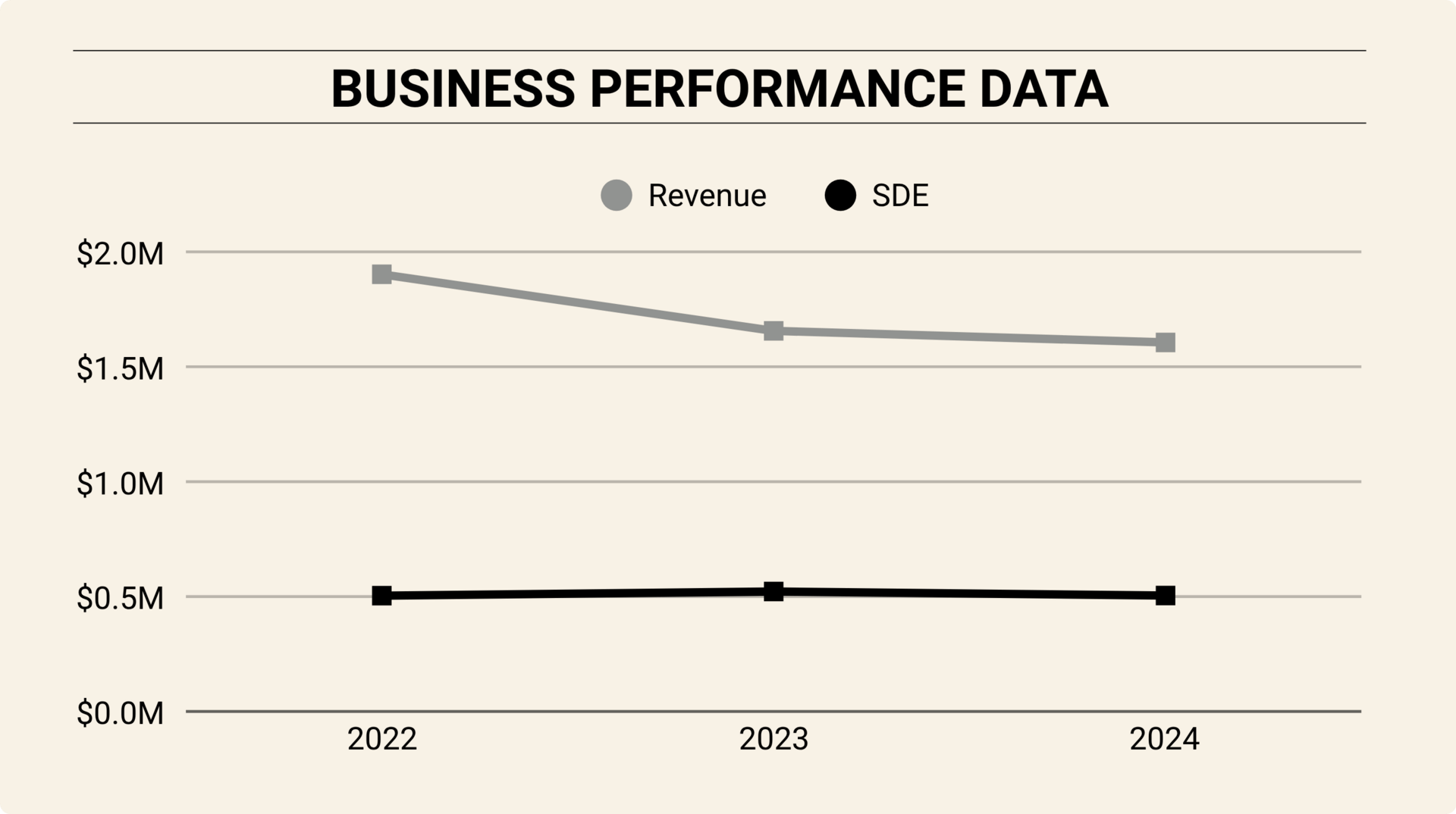
This week’s target: a commercial janitorial company generating about $1.6M in revenue and $500K in SDE.
The sellers are two partners:
A 57-year-old majority owner who once built the largest janitorial firm in his state.
A 76-year-old minority partner and former employee who’s ready to retire after recent health challenges.
The deal came through a referral from the buyer’s banker, an off-market opportunity with clean books, long-term contracts, and essentially no advertising.
All cleaning work is subcontracted to 1099 crews, coordinated by a single office manager who runs the day-to-day. Contracts are 1-3 years, auto-renewing, and written so that if a client exits early, they owe the remaining contract value.
The seller has already turned down higher offers, preferring a buyer who’ll protect employees, customers, and the company’s reputation over a quick PE flip.
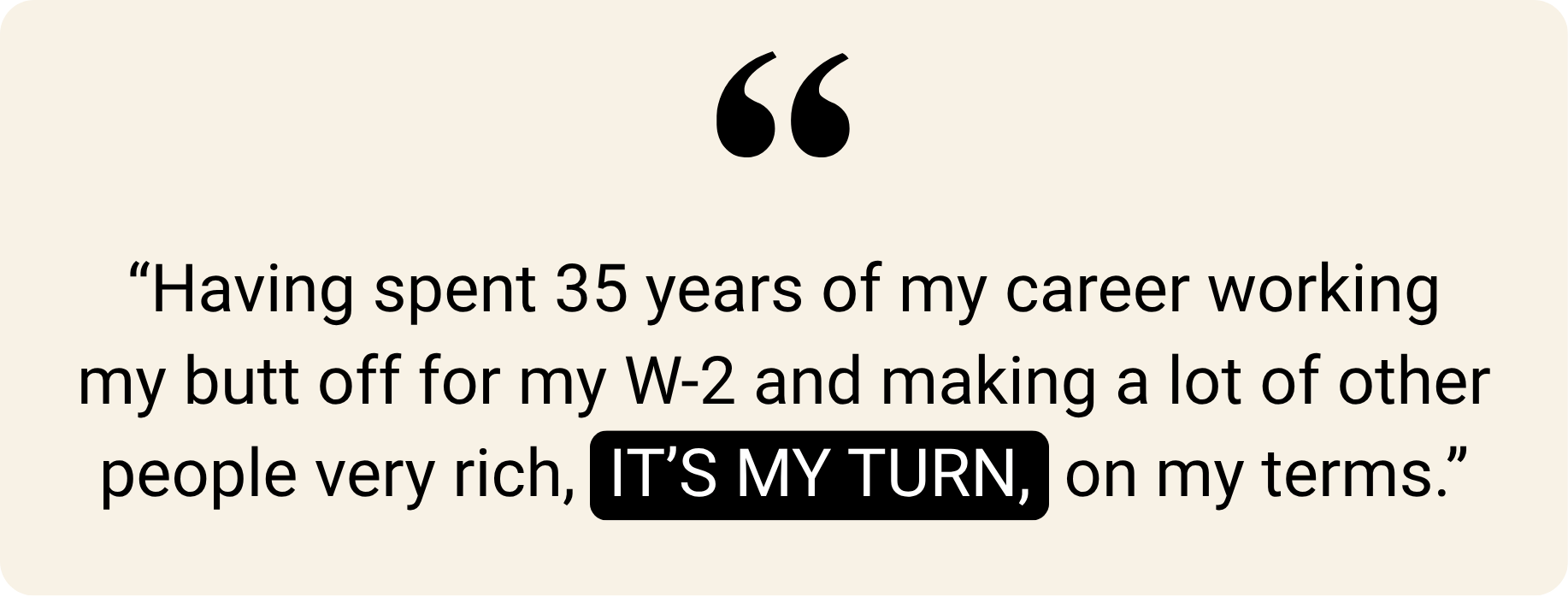
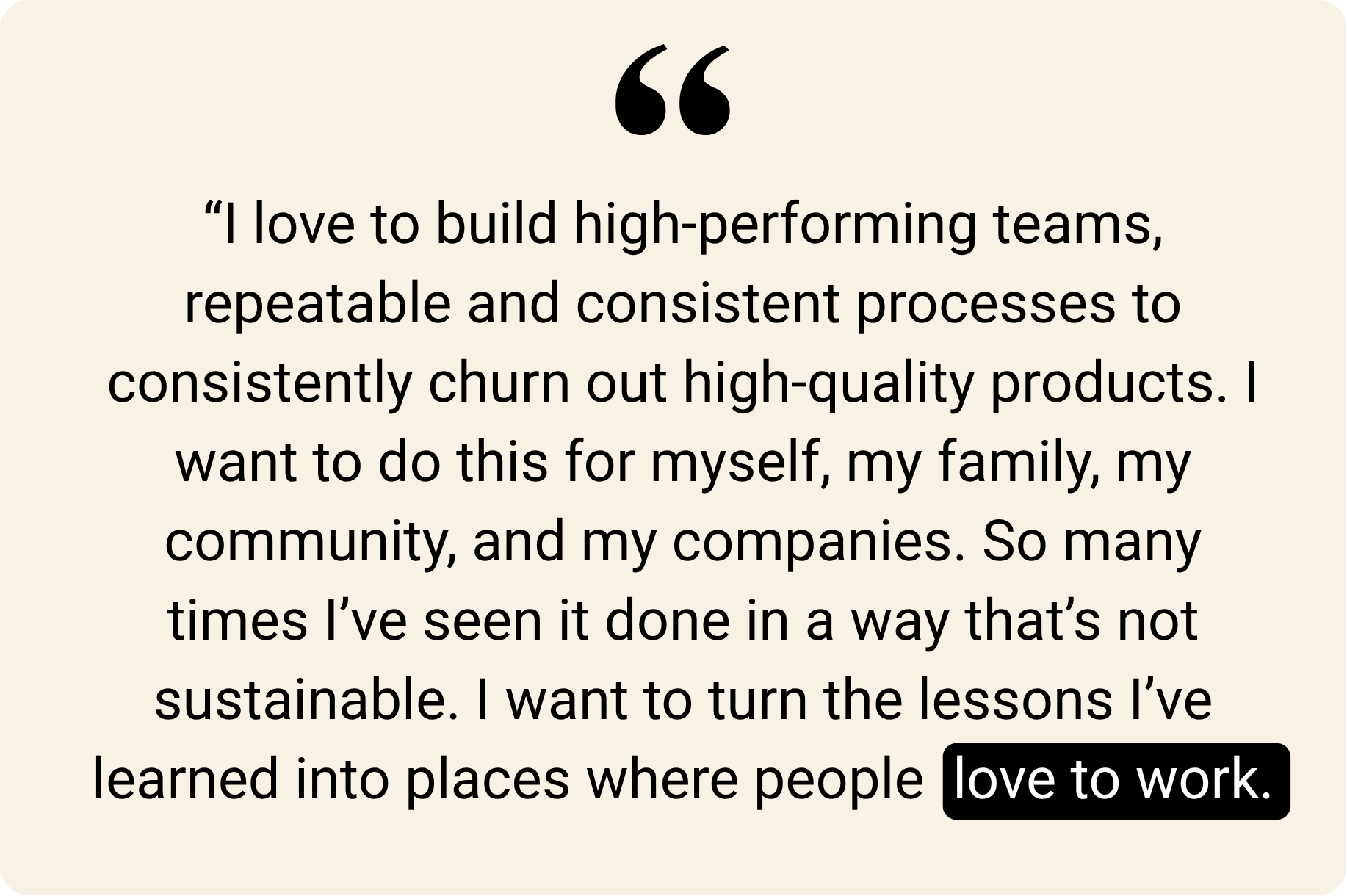
The buyer, Brad, spent decades in pharma and biotech manufacturing, leading large operations. After years of making others rich, he’s ready to build for himself:
His plan is to assemble a holding company of 5-10 service businesses with strong systems and culture:
Now the question is…
Is this deal the start of a Main Street empire or a polished floor hiding deeper cracks?
KEY IDEAS
Big Lessons Any Buyer Can Take from This Deal
When a deal looks too good to be true… it is until you prove otherwise.
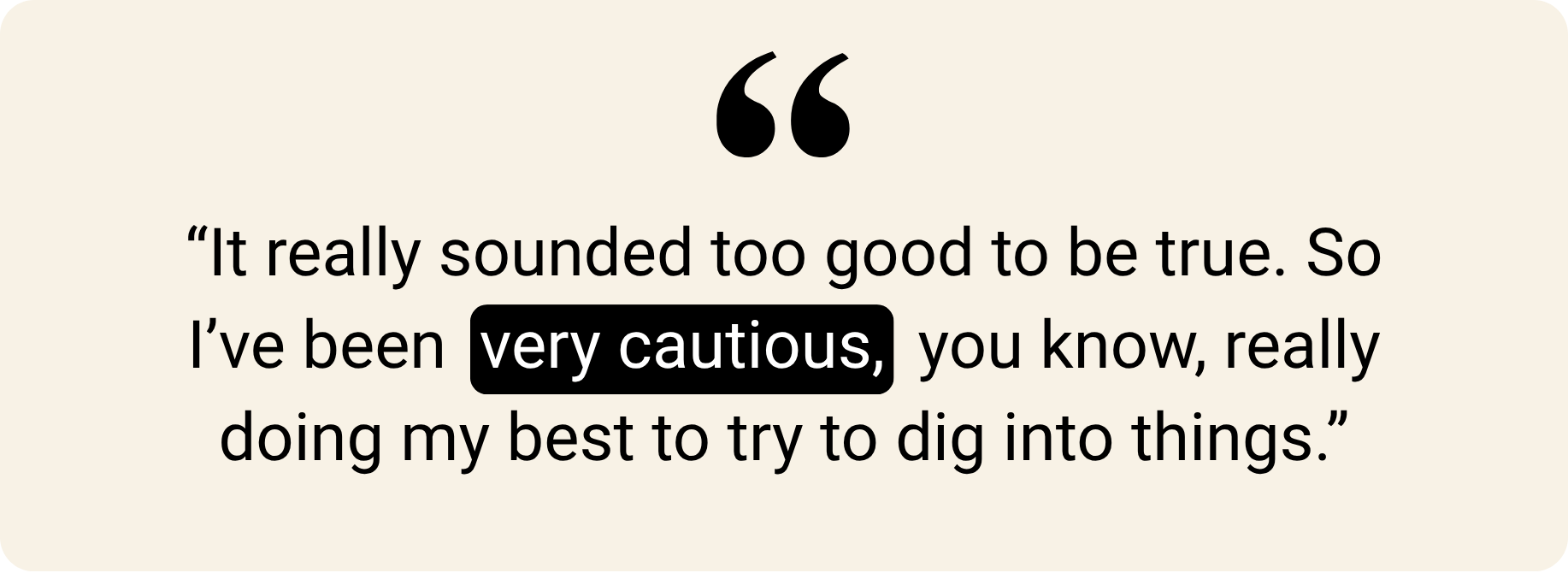
Brad’s deal had everything buyers dream of: Clean books. Loyal clients. Zero marketing. An owner who isn’t drowning in issues every week. Even he admitted it:
Instead of rushing to close, he used the deal review call to stress-test his assumptions, and what came out was a crash course in due diligence beyond the numbers, highlighting green flags and areas to dig deeper.
✅ Sticky, protected contracts
The company’s contracts aren’t just recurring, they’re reinforced. Most run 1-3 years, automatically renew, and even include early-termination penalties. That level of protection means steady, predictable cash flow, the kind of stability banks and buyers love.
✅ A seller who cares about legacy, not just price
The majority owner already turned down higher cash offers, telling Brad he’d rather sell to someone who’ll keep his people and clients happy than hand it off to private equity.
For buyers, that mindset can be gold. It often opens doors to mentorship, better terms, and a smoother transition.
✅ Clean books and a bankable deal
Third-party validation, especially from a lender known for its SBA expertise, goes a long way toward moving a deal forward.
✅ Experienced seller
The majority owner previously built a statewide janitorial giant and sold it, then reentered the market to help former clients after his non-compete expired. That’s a rare advantage: immediate operational expertise and credibility with clients baked into the deal.
✅ Expansion tailwinds
Brad’s background gives him a natural edge in landing high-spec cleaning contracts like hospitals, labs, and manufacturing facilities, where margins and retention rates are high.
And as for areas to dig deeper…
1️⃣ Leverage your lender, but don’t outsource your homework
The community agreed his lender is “easy to work with” and “moves quickly,” but several coaches reminded him that’s their diligence. He still needs his.
2️⃣ Dig deeper into 1099 labor
One of the biggest potential red flags came from a veteran owner:
“In commercial cleaning, you can have 250 to 300% employee turnover. And if you give those 1099s any training or direction, they can be considered employees, especially in certain states.”
Translation: high churn and misclassification risk can blow up margins fast. The takeaway was clear: scrutinize how crews are paid, trained, and replaced.
INDUSTRY
What You Need to Know
The janitorial business might not make many headlines, but it quietly cleans up.
The U.S. janitorial services industry includes about 63,000 companies, employs over 1 million workers, and generates roughly $73 billion annually. The average provider operates from a single location, employs 17 people, and brings in $1.2 million a year in revenue.
It’s also a highly fragmented market: the top 50 firms capture 28% of industry revenue, leaving enormous room for roll-ups, regional players, and local acquirers.
Roughly 80% of industry revenue comes from non-residential cleaning. Think: offices, schools, hospitals, and government buildings. That’s recurring, predictable, and less seasonal than residential work.
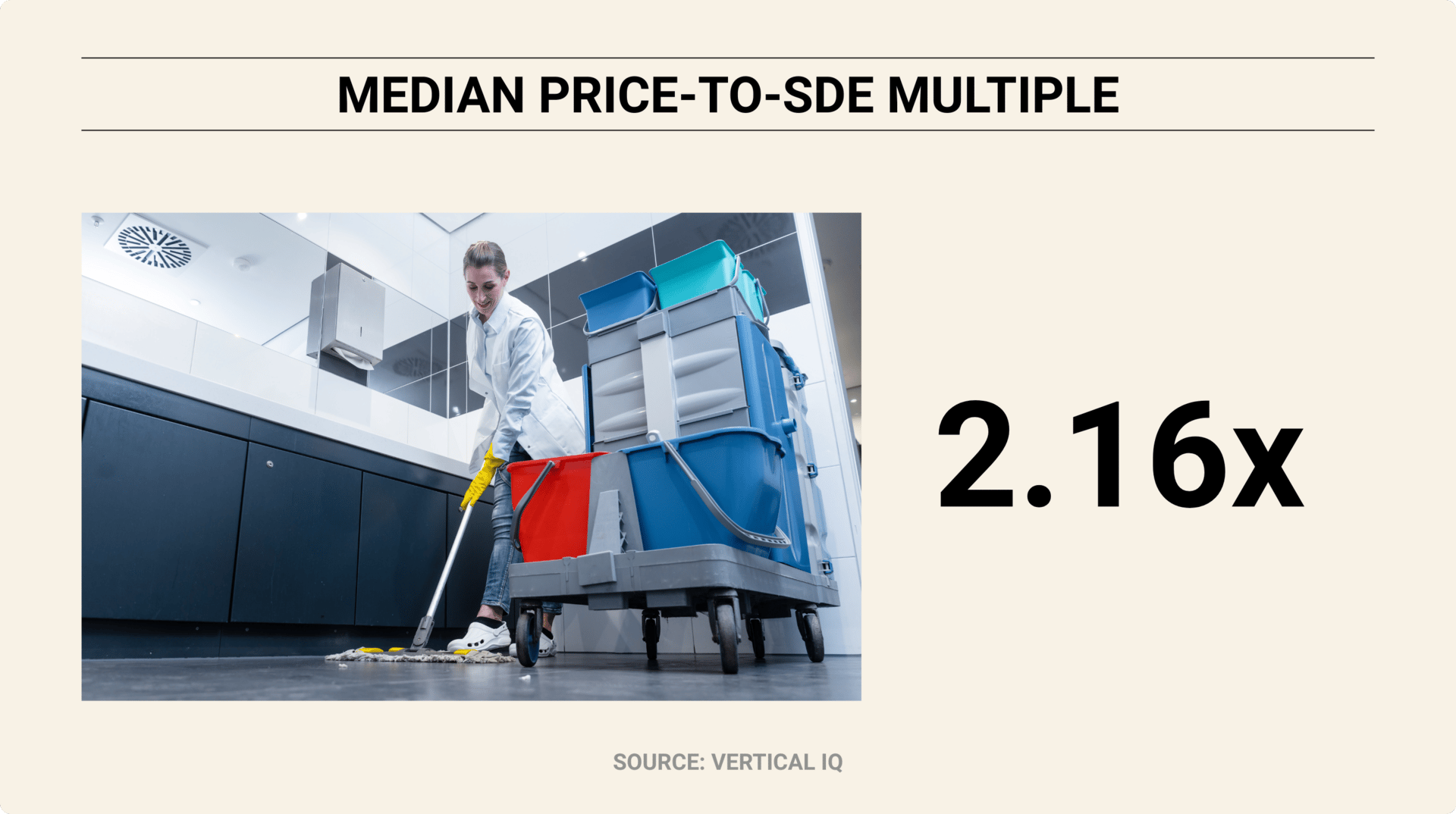
According to DealStats, janitorial companies typically sell for a median multiple of 2.16x SDE, with most deals falling between 1.25x and 2.75x.
Brad’s offer? Roughly 3.3x SDE on $500K in earnings, above the median, but not unreasonable for a company with clean books, sticky contracts, and a seller willing to mentor post-sale.
THE BOTTOM LINE
What Happened Next?
With the right people around him, the buyer turned a spark of opportunity into a true swing at ownership.
He didn’t coast into this one. He showed up to 64 live calls, posted questions and feedback dozens of times, and spent many hours dissecting and negotiating the details until he worked the deal.
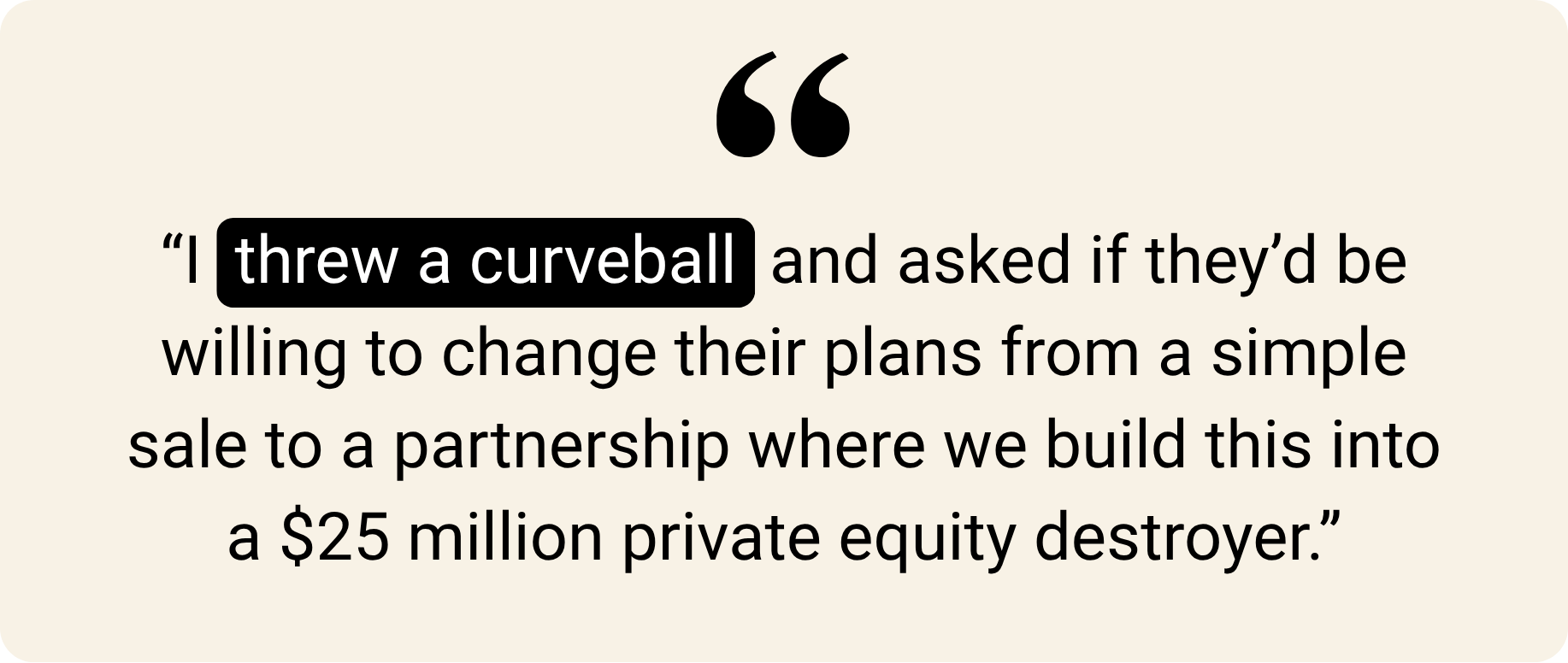
As he said after signing the LOI:
Three months later, that curveball connected. The seller chose him over higher cash offers, financing cleared, and the deal closed.
As Brad put it, “Success isn’t solo. You need sharp people, fast feedback, and real connections. Build your dream team, move with urgency, and let the momentum punch through the barriers, both real and imagined.”
Want your deals reviewed by hundreds of smart business builders and buyers?
Get access to our live expert calls (and so much more) when you join the Contrarian Community.
Buyer's Guide: How to Buy a Commercial Cleaning Business
Here is what any buyer can take from this deal, using only the numbers and lessons in the story above.
The deal by the numbers
Revenue: about $1.6M. SDE: about $500k.
Offer: roughly 3.3x SDE. The newsletter cites a DealStats median of 2.16x SDE for janitorial companies, with most deals between 1.25x and 2.75x.
Contracts: 1 to 3 years, auto renewing, with clients owing the remaining value if they exit early.
Labor: all cleaning subcontracted to 1099 crews, coordinated by one office manager.
Marketing: essentially none.
Source: an off market referral from the buyer's banker.
Why the buyer paid above the median
Brad's offer was above the median but the community saw it as reasonable for a company with clean books, protected contracts and a seller willing to mentor after the sale. The majority owner had previously built the largest janitorial firm in his state and sold it, then came back after his noncompete expired.
Financing came from a lender known for SBA expertise, and coaches reminded him that the lender's diligence is not his diligence. The SBA caps 7(a) loans at $5 million and lists changes of ownership as an approved use, so most Main Street acquisitions fit inside the program (SBA).
What to look for in a cleaning business
Contract terms. Length, auto renewal and early termination clauses decide how predictable cash flow is.
Commercial versus residential. The newsletter notes about 80% of industry revenue comes from nonresidential cleaning such as offices, schools, hospitals and government buildings, which is steadier and less seasonal.
The office manager. In a subcontracted model, one coordinator can hold the whole operation together.
Expansion paths. Brad's manufacturing background gave him an edge for high spec contracts like hospitals, labs and factories.
Risks and mistakes to avoid
1099 misclassification. A veteran owner warned that if you give 1099 crews training or direction, they can be considered employees in some states. Scrutinize how crews are paid, trained and replaced.
Turnover. The same owner said commercial cleaning can see 250 to 300% employee turnover.
Too good to be true. Clean books, loyal clients and zero marketing are great, until you prove otherwise. Stress test every assumption.
Outsourcing your homework. A fast lender helps, but you still need your own diligence.
Steps to buy a commercial cleaning business
Tell your banker, CPA and network what you are looking for. This deal came from a banker referral.
Read every client contract for term, renewal and termination.
Review the labor model with an employment attorney in your state.
Meet the office manager and understand who really runs the day to day.
Show the seller why you are the right steward. Brad's seller turned down higher offers to protect employees and customers.
Use your community. Brad attended 64 live calls and posted questions dozens of times while working the deal.
Frequently Asked Questions
Is a commercial cleaning business a good business to buy?
It can be. The newsletter cites about 63,000 U.S. janitorial companies generating roughly $73 billion a year, with recurring, non seasonal demand. Contract quality and labor risk decide whether a specific business is good.
What multiple do cleaning businesses sell for?
According to DealStats, cited in the newsletter, janitorial companies sell for a median of 2.16x SDE, with most deals between 1.25x and 2.75x. Brad paid roughly 3.3x for a business with clean books and sticky contracts.
What is the 1099 risk in a cleaning business?
If a business gives 1099 subcontractors training or direction, some states may treat them as employees, which can raise costs and create liability.
How do you win a deal over higher offers?
Show the seller you will protect what they built. Brad's seller chose him over higher cash offers because he cared about employees, customers and reputation.
The information contained here is educational, may not be typical, and does not guarantee returns. Background, education, effort, and application will affect your experience and the profitability of any business. Individual results may vary.
Thinking about buying a business? Learn how in Codie's free live masterclass.
A two day, in person workshop in Austin with the Contrarian Thinking team. Find hidden profits, close the gaps in your business and map the steps to grow revenue.