You're not stuck, you're just alone at the top. Most entrepreneurs hit a ceiling, not because the opportunity isn't there, but because you're solving $10M problems with $1M strategies.
Buying a Painting Business: Why the Buyer Walked From $750K
October 1, 2025
6 min read
From the Main Street Minute newsletter, originally sent October 1, 2025 as "Would you buy this $750K painting business"
Quick answer: When buying a painting business, make sure the business runs without the owner and price it on the cash flow it can carry. A buyer with 25 years in construction and remodeling looked at a residential painting company asking $750k. The owner worked 60 to 70 hour weeks in busy months, kept the books, did estimates and free color consultations, with only subcontracted crews. Coaches pushed him to let cash flow set the number, which pointed closer to $500k, and he walked away.
Watch: Codie breaks down the best businesses to buy instead of starting one, including painting, landscaping and car washes.
NUMBERS
So, What’s the Deal on the Table
Every week in this newsletter, we put a real small business deal under the microscope. One of our community members brings in an opportunity they’re considering, and together we stress-test it: the numbers, the risks, the upside.
This time, the target was a residential painting company.
The backstory: the owner first tried to sell in 2020, but the business wasn’t profitable enough to market effectively. With a consultant’s help, she spent the next few years working to grow it.
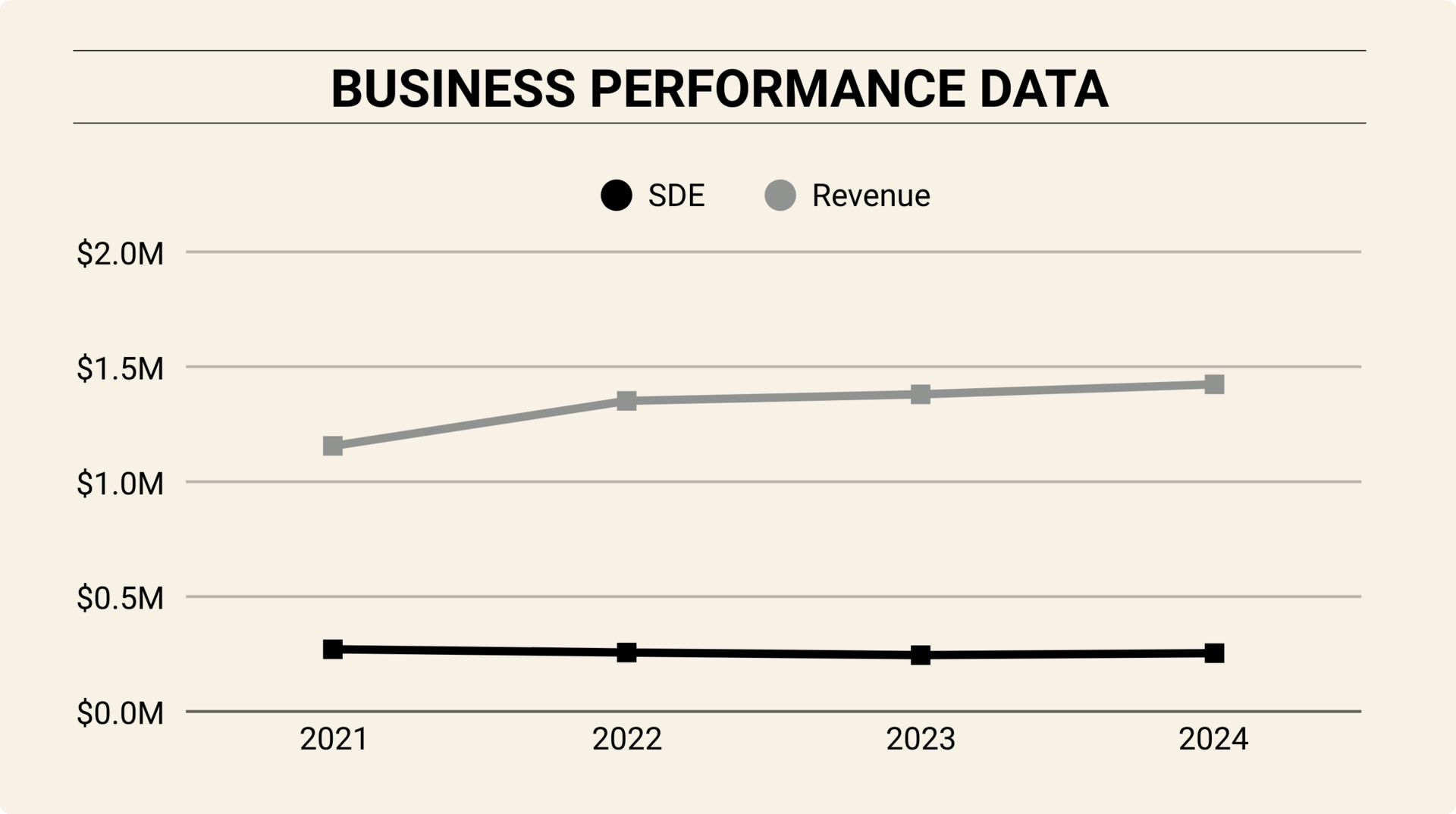
The seller was now asking for $750K. But after running some napkin math, the buyer questioned whether it was truly worth half of that.
Why? The operations are lean. Perhaps toolean. The owner works 60-70 hours a week in busy months, manages the books herself, and even does free color consultations, supported only by subcontracted paint crews.
The big question surfaced quickly: Is this a transferable business, or just a demanding job with a big price tag?
KEY IDEAS
1 Big Lesson Any Buyer Can Take from This Deal
This deal wasn’t just about price; it was about perspective.
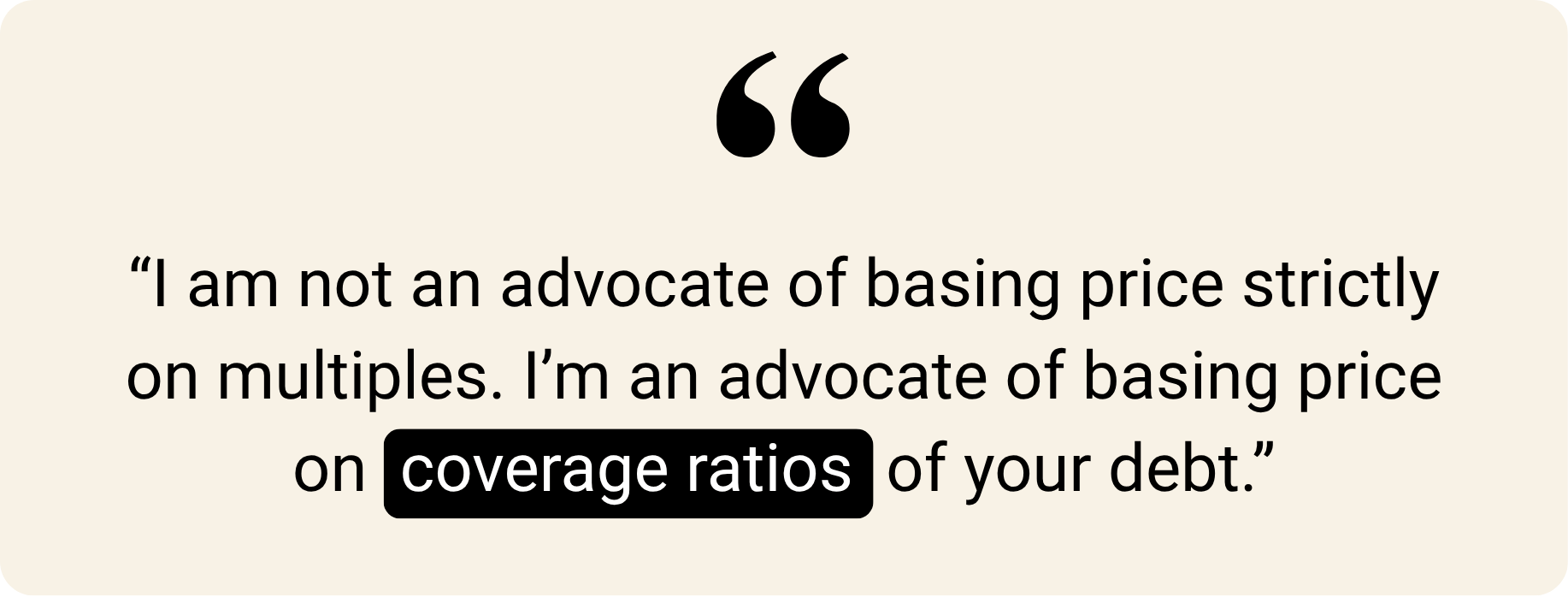
The buyer came in thinking about multiples. But the community quickly reframed it. As one coach put it:
That shift matters. Instead of debating whether the multiple at $600K, $500K, or $750K was “right,” the buyer was encouraged to run the community’s deal calculator, plug in his costs, and let the cash flow dictate the number.
The conversation also hammered home how to talk about that number with the seller. One coach explained his approach:
That honesty can reset expectations, moving the owner from wishful thinking (“I want $750K to buy a boat”) to reality (“It’s probably closer to $500K”).
The lesson? Base your offer on what the business can actually carry, and use transparency to bring the seller into that reality.
RED FLAG
What to Watch Out For in This Deal
The headline risk here is structural. Revenue has grown, but the business itself hasn’t grown beyond the owner.
She’s still the operator, estimator, bookkeeper, and customer liaison. In busy months, she works 60-70 hours a week. That workload raised serious questions about what a new owner would actually inherit.
One coach explained what that really means:
In other words, all the relationships, sales, and processes flow through the seller, and could vanish the moment she walks away.
When the buyer asked whether this was still worth pursuing, one coach didn’t mince words:
Others echoed the same theme. The business looked fine on paper, but without the seller, there was no infrastructure, no recurring business, and no cushion for a new owner.
As one coach summed it up:
INDUSTRY
What You Need to Know
While the community had strong reservations about this particular business, they also pointed out a real advantage: the buyer himself.
He’s spent 25 years in the construction and remodeling industry, estimating jobs, managing crews, and working directly with clients.
That background meant he could walk in on day one with the technical skills and sales experience needed to run a home services business.
The coaches agreed.
Another added:
“You’ve got a great background. I’d love to have that background in today’s world. How many folks in our community would love to be able to buy a home services business and have the right kind of contracting background? A large percentage. You’ve got it. So you’re in great position. Let’s go get another deal.”
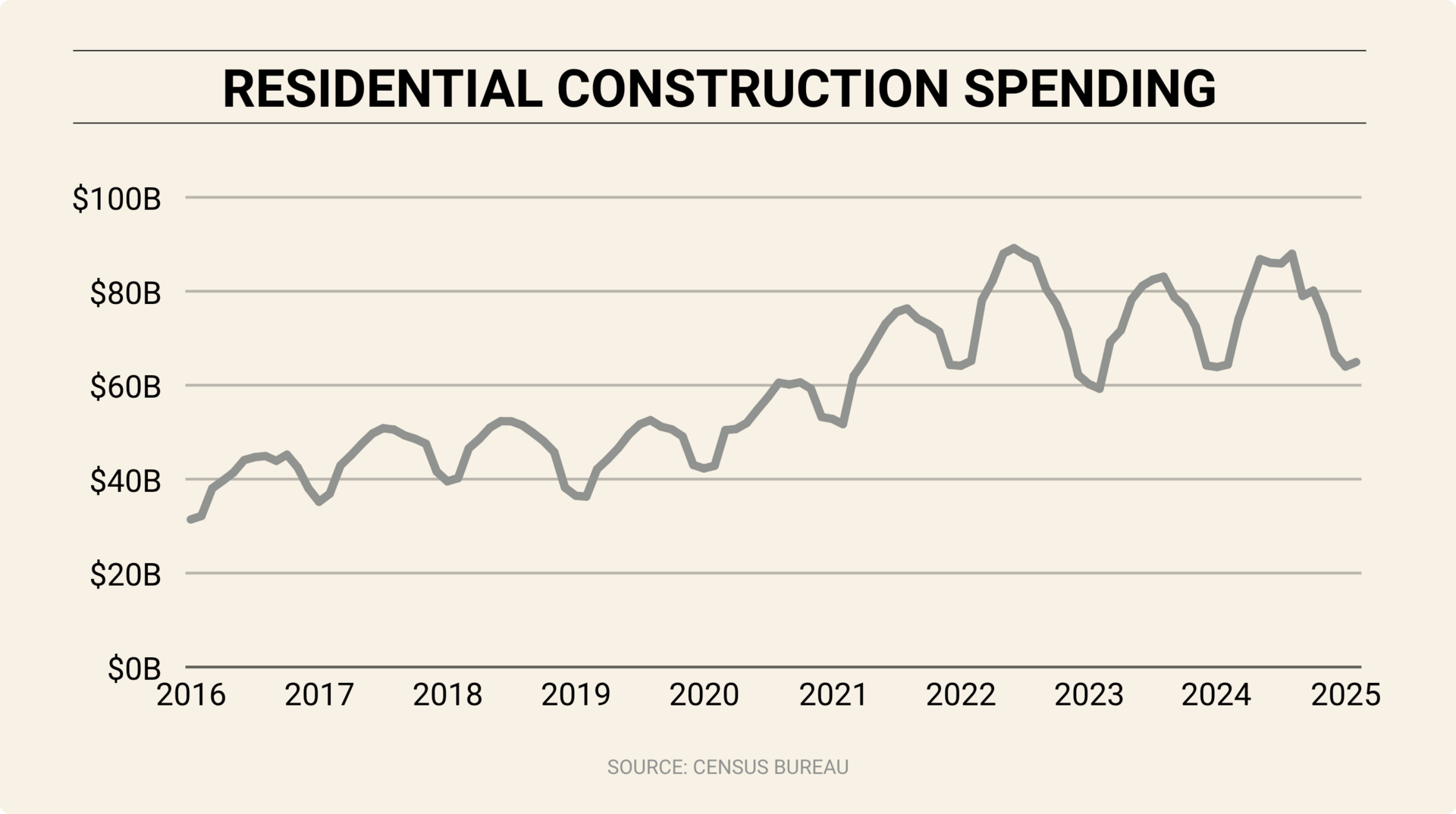
There’s also a broader market opportunity. Painting and wall covering contractors operate in a growing, highly fragmented space, with roughly 38K businesses across the U.S. generating average revenue of $899K and employing about 6 people each.
The seller had also established relationships with custom builders and general contractors doing big remodels. Paired with the buyer’s know-how, those connections could be valuable if other aspects of the deal made sense.
The consensus: this buyer is well-positioned for success in the home services industry. The problem wasn’t him; it was his target.
THE BOTTOM LINE
What Happened Next?
The deal didn’t close, and that was the win. After running the numbers, hearing the feedback, and weighing the risks, the buyer decided to walk. His takeaway:
Plenty of small business owners live with 70-hour weeks and carry-it-all-on-your-back operations. For some, that’s part of the game. But this buyer knew it wasn’t the game he wanted to play. Instead, he walked away with a sharper deal box and a clearer sense of what he is willing to take on.
Want your deals reviewed by hundreds of smart business builders and buyers?
Get access to our live expert calls (and so much more) when you join the Contrarian Community.
Buyer's Guide: How to Buy a Painting Business
Here is what any buyer can take from this deal, using only the numbers and lessons in the story above.
The deal by the numbers
Asking price: $750k. The buyer questioned whether it was worth half of that, and the discussion pointed closer to $500k.
Owner workload: 60 to 70 hours a week in busy months.
Owner roles: operator, estimator, bookkeeper and customer liaison.
Labor: subcontracted paint crews only.
History: the owner tried to sell in 2020, then spent several years growing the business with a consultant's help.
Relationships: custom builders and general contractors doing big remodels.
How to price a painting business
The community reframed the question from which multiple is right to what the business can actually carry. Coaches told the buyer to run the community's deal calculator, plug in his own costs and let cash flow set the number.
That includes the cost of replacing the owner. If the seller does the sales, estimating and books, you either do those jobs yourself or pay someone, and that money comes out of SDE.
One coach also shared how to talk numbers with the seller: be transparent about the math, so the conversation moves from what the seller wants to what the business supports.
The SBA caps 7(a) loans at $5 million and lists changes of ownership as an approved use, so most Main Street acquisitions fit inside the program (SBA).
What to look for in a painting business
Infrastructure beyond the owner. Estimators, a crew lead or office help mean the business can survive a handoff.
Recurring or repeat work. Builder and contractor relationships help, but only if they stay after the sale.
Crew stability. Subcontracted crews keep overhead low but can walk with the owner.
Your own fit. The coaches agreed this buyer's contracting background was a real advantage for home services, just not for this target.
Red flags and mistakes to avoid
Buying a job. If relationships, sales and processes all flow through the seller, they can vanish when she leaves.
Anchoring on the asking price. Let cash flow set your offer.
Revenue growth without depth. Revenue grew, but the business had not grown beyond the owner.
Steps to buy a painting business
List every role the owner fills and price each one.
Confirm which builder and contractor relationships will transfer.
Talk to the crews or crew leads if the seller allows it.
Run the deal on your own costs, not the seller's.
Walk away if the business cannot run without the seller. This buyer did, with a sharper deal box.
Frequently Asked Questions
Is a painting business a good business to buy?
Painting and wall covering contractors are a fragmented market. The newsletter cites roughly 38,000 U.S. businesses averaging $899k in revenue with about 6 employees each. The right business has systems beyond the owner.
How do you value a painting business?
Base the offer on what the cash flow can carry after you pay for the roles the owner fills. In this deal, that pointed closer to $500k than the $750k asking price.
What is the biggest risk when buying a painting company?
Owner dependence. When the seller is the operator, estimator, bookkeeper and customer liaison, much of the value can leave with her.
Does construction experience help when buying a home services business?
Yes. The coaches said this buyer's 25 years in construction and remodeling put him in a strong position for home services, even though this specific deal did not fit.
The information contained here is educational, may not be typical, and does not guarantee returns. Background, education, effort, and application will affect your experience and the profitability of any business. Individual results may vary.
Thinking about buying a business? Learn how in Codie's free live masterclass.
A two day, in person workshop in Austin with the Contrarian Thinking team. Find hidden profits, close the gaps in your business and map the steps to grow revenue.