You're not stuck, you're just alone at the top. Most entrepreneurs hit a ceiling, not because the opportunity isn't there, but because you're solving $10M problems with $1M strategies.
Your customer isn't buying your product. At least, they're not just buying your product.
They're buying the story they tell themselves about the money they're about to spend.
If you miss that story, you become the cheapest option in a race to zero. But when you find it, price becomes almost irrelevant.
Think about the last thing you overpaid for and felt great about. The anniversary dinner, the stroller with better suspension than your truck, the vacation to Italy you'd been planning for a year.
Do you remember the price tag or how it made you feel?
That's a Money Story. Every customer has one, but most businesses never try to find it.
How to Sell a Losing Team
I've been reading my friend Vanessa Van Edwards' new book, Conversation: How to Connect with Anyone and Make Every Interaction Count. She’s a behavioral researcher who teaches science backed-people skills in a way that makes it easy to implement in life and business. And one story from her book keeps rattling around my head.
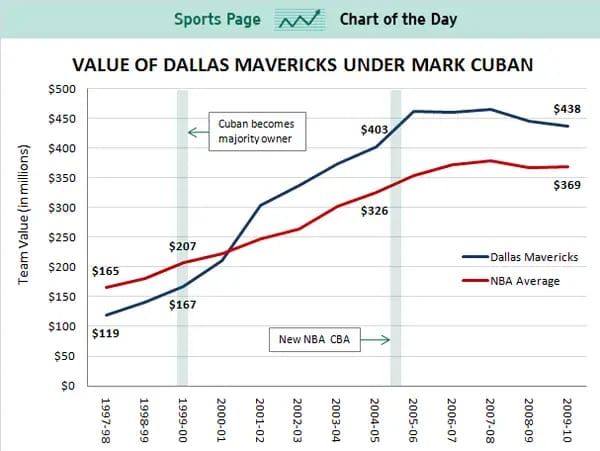
In January 2000, Mark Cuban bought a stake in the Dallas Mavericks. Great deal, except for one teeny-tiny detail… The team lost games.
All. The. Time.
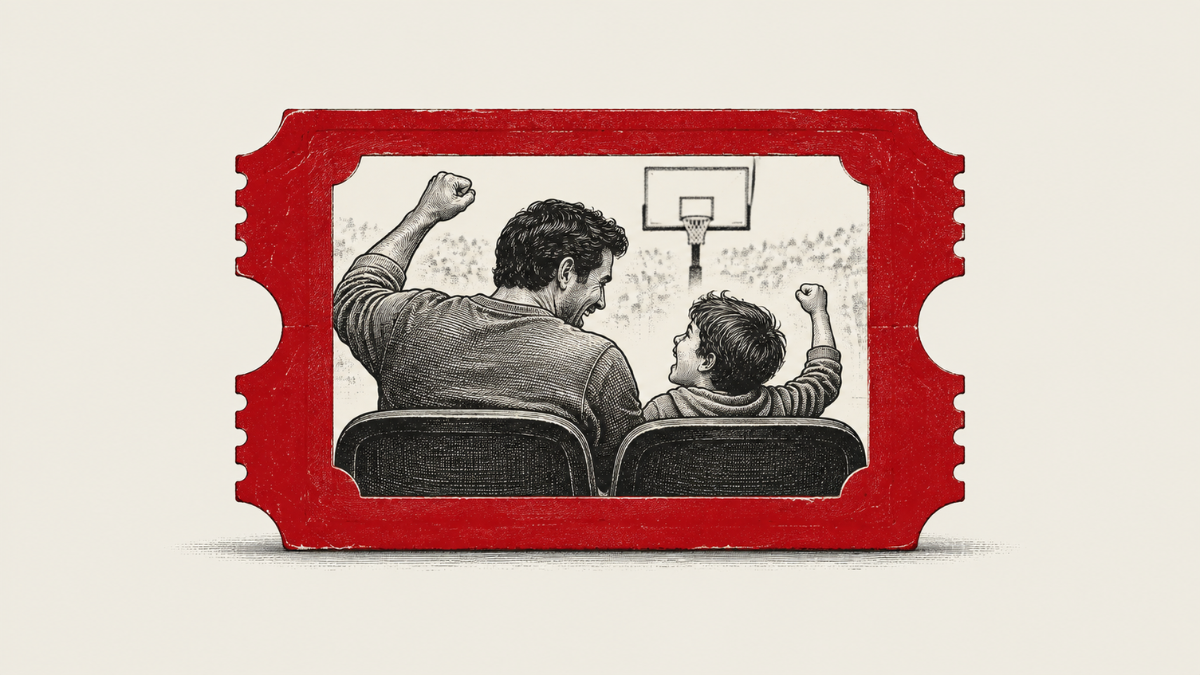
So he'd effectively given himself one of the hardest sales jobs out there: getting fans to buy tickets to watch a team lose. And while he could've hired it out, the Mavericks' new owner walked into the sales bullpen and worked the phones himself.
He started with facts, then dug deeper.
Tickets to a game cost less than the movies or feeding the family at McDonald's, and they gave you something more than entertainment.
Here's what he said, straight from Vanessa's book:
He sold them a memory, and suddenly the ticket became a symbol of family bonding.
Seemingly overnight, the arena started selling out, and pretty soon tickets were going for way more than 8 bucks.
The Maverick’s valuation kept climbing, but the story never changed.
Because you can't put a price on a memory.
Every Cost Objection Is a Story Problem in Disguise
When a customer says "it's too expensive," what they're really saying is, "I don't see the value."
Most owners hear that and try to discount, or maybe they spout off a longer feature list.
Neither works.
Cuban got the customer telling the story out loud, then sold right into it.
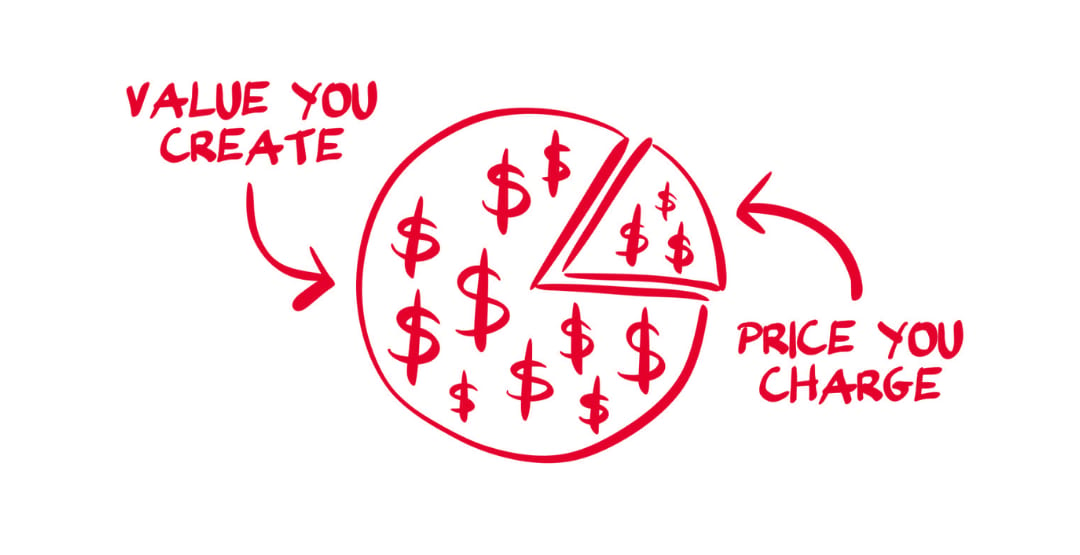
I wrote about this in Own or Be Owned too. In chapter 1, I talk about how a price only looks high or low next to something else. That’s what happens here. Cuban kept his price and swapped the comparison: out went McDonald's, in came the night your mom or dad took you to your first game.
So once prices started climbing, Cuban dialed up the value proposition. Going to watch basketball went from being an affordable alternative to a key family memory.
Basically: Your price is almost never too high. Your perceived value is too low.
Afraid you’ll lose customers if you raise your prices? If you’re willing to come to Austin for the Growth Accelerator Workshop, we’ll show you how to do it in a way that’ll have your books so full, you’ll WISH fewer people were knocking on your door.
Vanessa goes on to say the most common mistake we make in sales is stopping at the facts.
But the thing about facts is they just sit in a CRM. Stories make people move.
This hits even harder on Main Street.
I mean, nobody wakes up excited to buy a water heater. But if you reframe it, the homeowner isn’t just getting a new piece of equipment. They’re buying a hot shower for their kids tonight, saving the day, and NOT being the dad who let the basement flood.
The Money Story Audit
Answer these about your own customers:
The Buying Story. What does your customer tell themselves when they pay you?
The Memory. What feeling do they get when they use what you sell? Do they share it with anyone?
The Quitting Story. When someone doesn't buy, or doesn't come back, what are they telling themselves?
That last one is where you'll find your biggest leaks.
Now take it to your next sales call and ask questions that get your customer talking about WHY they buy:
"What made you start looking for this now?"
"Last time you bought something like this, what made it feel worth it?"
"What almost stopped you from calling today?"
"What happens if you don't fix this?"
If you listen closely, they'll give you the exact story you need to close.
Your Rep This Week
Grab a notebook and write down your best guess at your customers' Money Stories, all 3 parts.
Then call 3 ideal customers and check your guesses. Figure out what they're really trying to buy, and what almost stopped them. Find their Money Story.
You'll probably be wrong about at least 1, and that's great. It's the most useful thing you'll learn all week. Then attach your number to their story, in their words. People forget what they paid, but they'll remember how they felt afterwards.
And when you own the business, you even get to shape which story your customer walks away with.
Take Erik Swift, a concrete restoration specialist. He worried if increased his prices too much, he’d lose his customer base.
But when we reframed the story so it was less about an aesthetic fix and more about making a house feel like a beautiful, safe home, he was able to raise his prices by about 40%.
His Google reviews went from 20 to 85, at 4.9 stars. So I think it’s safe to say his business didn’t suffer.
Remember…
Facts tell. Stories sell.
-Codie
P.S.Check out Vanessa's book. She's brilliant, we've grown our businesses side by side, and I even make a cameo in one of the chapters.
The information contained here is educational, may not be typical, and does not guarantee returns. Background, education, effort, and application will affect your experience and the profitability of any business. Individual results may vary.



.png)


.png)


.svg)


